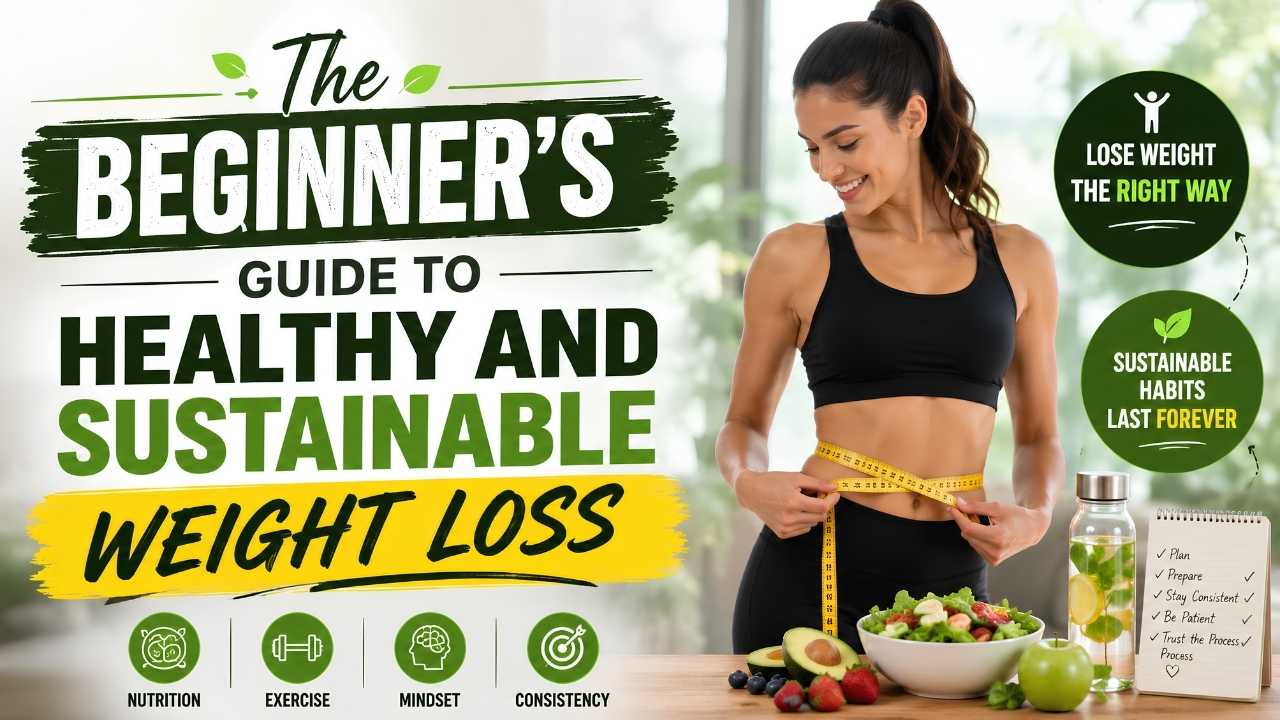
The Beginner’s Guide to Healthy : Weight loss is one of the most popular health goals around the world. Every year, millions of people decide to lose extra weight in the hope of improving their appearance, boosting confidence, and protecting themselves from various health conditions. However, despite the abundance of weight-loss programs, diets, and fitness plans available today, many people struggle to achieve lasting results.
The primary reason for this struggle is that many weight-loss approaches focus on quick fixes rather than long-term solutions. Crash diets, extreme workout routines, and unrealistic expectations often lead to disappointment and weight regain. While losing weight quickly may seem attractive, it is rarely sustainable.

Healthy and sustainable weight loss is different. Instead of focusing on temporary changes, it encourages long-term habits that improve overall health while gradually reducing body fat. This approach helps individuals maintain their results and enjoy a better quality of life.
This comprehensive guide will explain everything beginners need to know about healthy and sustainable weight loss, including nutrition, exercise, sleep, mindset, habit formation, and practical strategies that actually work.

Key Highlights
| Topic | What You Will Learn |
|---|---|
| Weight Loss Basics | Understanding calories and energy balance |
| Nutrition | Building a healthy and balanced diet |
| Exercise | Choosing the right workouts for fat loss |
| Sleep | How sleep impacts body weight |
| Stress Management | Reducing emotional eating and cravings |
| Habit Formation | Creating sustainable lifestyle changes |
| Common Mistakes | Avoiding popular weight-loss traps |
| FAQs | Answers to common beginner questions |
Understanding Healthy Weight Loss
Before beginning any weight-loss journey, it is important to understand what healthy weight loss actually means.
Healthy weight loss is the gradual reduction of excess body fat while maintaining muscle mass, energy levels, and overall well-being. Unlike rapid weight-loss programs, sustainable weight loss prioritizes long-term success over short-term results.

A healthy weight-loss journey should improve:
- Physical health
- Mental well-being
- Energy levels
- Fitness performance
- Confidence
- Lifestyle habits
Rather than focusing solely on the number shown on the scale, healthy weight loss emphasizes body composition, overall health, and consistency.
Why Sustainable Weight Loss Matters
Many people become attracted to dramatic promises such as losing 10 kilograms in a month or achieving a complete body transformation in just a few weeks.
Although rapid weight loss is possible in some situations, it often comes with significant drawbacks.
Common problems associated with quick-fix diets include:
- Muscle loss
- Nutritional deficiencies
- Extreme hunger
- Fatigue
- Reduced metabolism
- Weight regain
Sustainable weight loss offers a better alternative. It allows your body to adapt gradually while helping you develop habits that can be maintained for years.
Benefits of sustainable weight loss include:
| Benefit | Explanation |
| Better Health | Reduced risk of chronic diseases |
| Stable Energy | Consistent energy throughout the day |
| Improved Metabolism | Preservation of muscle mass |
| Long-Term Results | Lower likelihood of regaining weight |
| Better Relationship With Food | Reduced dieting stress |
The Science Behind Weight Loss
Understanding the science of weight loss can eliminate much of the confusion surrounding dieting.
At its core, weight loss depends on energy balance.
Your body uses energy every day for:
- Breathing
- Digestion
- Movement
- Exercise
- Organ function
- Body temperature regulation
This energy is measured in calories.
When you consume more calories than your body needs, the excess energy is stored, primarily as body fat.
When you consume fewer calories than your body burns, your body uses stored energy to meet its needs, leading to weight loss.
This state is known as a calorie deficit.
Understanding Calorie Balance
The concept of calorie balance can be simplified into three categories.
| Calorie State | Result |
| Calorie Surplus | Weight Gain |
| Maintenance | Weight Maintenance |
| Calorie Deficit | Weight Loss |
Creating a moderate calorie deficit is generally considered the safest and most effective strategy for long-term fat loss.
However, calorie quality matters just as much as calorie quantity.
For example, 500 calories from vegetables, lean protein, and whole grains will provide significantly more nutrition and satiety than 500 calories from sugary snacks.
Weight Loss vs Fat Loss
Many beginners believe that losing weight automatically means losing fat.
This is not always true.
Body weight consists of:
- Fat
- Muscle
- Water
- Bones
- Organs
When someone follows an extreme diet, much of the initial weight loss may come from water and muscle rather than body fat.
Healthy fat loss focuses on preserving muscle while reducing body fat.
| Weight Loss | Fat Loss |
| Includes water, muscle, and fat | Primarily targets fat |
| Temporary changes possible | More sustainable |
| Scale-focused | Health-focused |
| Often achieved quickly | Requires patience |
Setting Realistic Weight-Loss Goals
One of the biggest mistakes beginners make is expecting immediate results.
Healthy weight loss is a gradual process.
Most experts recommend:
| Time Frame | Healthy Weight Loss |
| Weekly | 0.5–1 kg |
| Monthly | 2–4 kg |
| Six Months | 12–24 kg |
Instead of focusing only on large goals, break your journey into smaller milestones.
Examples:
- Walk 8,000 steps daily
- Drink more water
- Eat vegetables with every meal
- Exercise three times per week
Small wins build momentum and confidence.
Understanding Macronutrients
The food we eat contains nutrients that provide energy and support body functions.
The three main macronutrients are:
Protein
Protein plays a vital role in weight loss.
Benefits include:
- Preserving muscle mass
- Increasing fullness
- Supporting recovery
- Improving metabolism
Healthy protein sources include:
- Eggs
- Chicken
- Fish
- Greek yogurt
- Lentils
- Beans
- Tofu
Carbohydrates
Carbohydrates are the body’s primary energy source.
Healthy carbohydrate sources include:
- Oats
- Brown rice
- Sweet potatoes
- Fruits
- Vegetables
- Whole grains
Refined carbohydrates should be limited but do not necessarily need to be eliminated completely.
Healthy Fats
Healthy fats support:
- Hormone production
- Brain function
- Nutrient absorption
- Satiety
Good sources include:
- Avocados
- Nuts
- Seeds
- Olive oil
- Fatty fish
Building a Healthy Eating Pattern
Successful weight loss is rarely about following a strict diet.
Instead, it involves creating an eating pattern that you can maintain long term.
A balanced plate should generally include:
| Food Group | Approximate Portion |
| Vegetables | 50% |
| Lean Protein | 25% |
| Healthy Carbohydrates | 25% |
This simple approach can improve nutrition while naturally controlling calorie intake.
The Importance of Portion Control
Even healthy foods can contribute to weight gain when consumed excessively.
Portion control helps manage calorie intake without feeling deprived.
Simple portion-control tips include:
- Use smaller plates
- Eat slowly
- Avoid distractions during meals
- Pay attention to hunger cues
- Stop eating when comfortably satisfied
Hydration and Weight Loss
Water plays a crucial role in overall health and weight management.
Benefits of proper hydration include:
- Improved digestion
- Better energy levels
- Reduced hunger signals
- Enhanced workout performance
Many people confuse thirst with hunger, leading to unnecessary snacking.
General daily water recommendations:
| Group | Water Intake |
| Women | 2–3 liters |
| Men | 3–4 liters |
| Active Individuals | Additional intake required |
Foods That Support Weight Loss
Certain foods can make weight loss easier by increasing fullness and providing essential nutrients.
Examples include:
- Eggs
- Oats
- Greek yogurt
- Leafy greens
- Apples
- Berries
- Salmon
- Lentils
- Chickpeas
- Sweet potatoes
These foods help manage hunger while supporting overall health.
Foods to Limit
Weight loss does not require completely eliminating any specific food.
However, some foods should be consumed in moderation.
Examples include:
- Sugary beverages
- Processed snacks
- Fast food
- Candy
- Pastries
- Highly processed meals
The goal is balance rather than perfection.
Creating a Sustainable Mindset
Mindset often determines long-term success more than any specific diet or exercise plan.
Successful individuals focus on:
- Consistency
- Patience
- Progress
- Learning from setbacks
Weight loss is rarely a straight line. Temporary plateaus and occasional setbacks are completely normal.
Developing a growth mindset helps maintain motivation during challenging periods.
The Power of Consistency
Many people underestimate the impact of small daily actions.
A healthy meal, a short walk, proper hydration, and adequate sleep may seem insignificant individually, but together they create powerful results over time.
Consistency beats perfection.
A person who follows a healthy plan 80 percent of the time is far more likely to succeed than someone who follows a perfect plan for only a few weeks.
Final Words
Healthy and sustainable weight loss is not about following extreme diets or chasing rapid results. It is about creating realistic habits that improve your health while gradually reducing body fat.
The most successful weight-loss journeys are built on balanced nutrition, regular physical activity, proper sleep, stress management, and patience. When these factors work together, long-term success becomes much more achievable.
Remember that every small step matters. Focus on progress rather than perfection, stay consistent with your habits, and trust the process. Sustainable weight loss may take time, but the results are often far more rewarding and lasting than any quick fix.
FAQs
1. What is the healthiest way to lose weight?
The healthiest way to lose weight is by creating a moderate calorie deficit through balanced nutrition, regular physical activity, adequate sleep, and sustainable lifestyle habits. Gradual weight loss is generally easier to maintain than rapid weight loss.
2. How much weight can I safely lose in a week?
Most health experts recommend losing between 0.5 and 1 kilogram (1–2 pounds) per week. This rate helps preserve muscle mass and supports long-term success.
3. Do I need to count calories to lose weight?
No, calorie counting is not mandatory. Many people successfully lose weight by practicing portion control, eating nutrient-dense foods, and staying physically active. However, tracking calories can be useful for some individuals.
4. Which diet is best for sustainable weight loss?
There is no single best diet for everyone. The most effective diet is one that is balanced, nutritious, and easy to maintain over the long term. Consistency matters more than following a specific diet trend.
5. Can I lose weight without exercising?
Yes, weight loss can occur through dietary changes alone. However, exercise improves overall health, helps preserve muscle mass, increases calorie expenditure, and makes weight maintenance easier.
6. How important is protein for weight loss?
Protein is extremely important because it helps keep you full, supports muscle maintenance, reduces cravings, and can slightly increase the number of calories your body burns during digestion.
7. Are carbohydrates bad for weight loss?
No. Carbohydrates are an important source of energy. Choosing whole-food carbohydrate sources such as fruits, vegetables, oats, brown rice, and whole grains can support healthy weight loss.
8. How much water should I drink while trying to lose weight?
Most adults should aim for approximately 2–4 liters of water daily, depending on body size, activity level, and climate. Drinking enough water can help manage hunger and support overall health.
9. Why am I not losing weight even though I am dieting?
Several factors can slow weight loss, including hidden calories, large portion sizes, lack of physical activity, insufficient sleep, high stress levels, hormonal changes, or inconsistent habits.
10. Is it okay to have cheat meals during a weight-loss journey?
Yes. Occasional treats can be part of a balanced lifestyle. The key is moderation and ensuring that one meal does not turn into several days of unhealthy eating.
11. How does sleep affect weight loss?
Poor sleep can increase hunger hormones, reduce fullness signals, lower energy levels, and increase cravings for high-calorie foods. Most adults should aim for 7–9 hours of quality sleep each night.
12. Can stress make it harder to lose weight?
Yes. Chronic stress can increase cortisol levels, which may lead to emotional eating, increased cravings, poor sleep quality, and difficulty maintaining healthy habits.
13. Should I weigh myself every day?
Daily weigh-ins are optional. Some people find them motivating, while others become discouraged by normal fluctuations. Weekly weigh-ins combined with body measurements often provide a clearer picture of progress.
14. What should I do if I hit a weight-loss plateau?
Weight-loss plateaus are normal. Consider reviewing your calorie intake, increasing physical activity, improving sleep quality, managing stress, and staying consistent with your habits rather than making drastic changes.
15. How can I maintain my weight after reaching my goal?
Successful weight maintenance involves continuing healthy eating habits, staying physically active, monitoring your weight periodically, getting enough sleep, and maintaining the lifestyle changes that helped you lose weight in the first place.