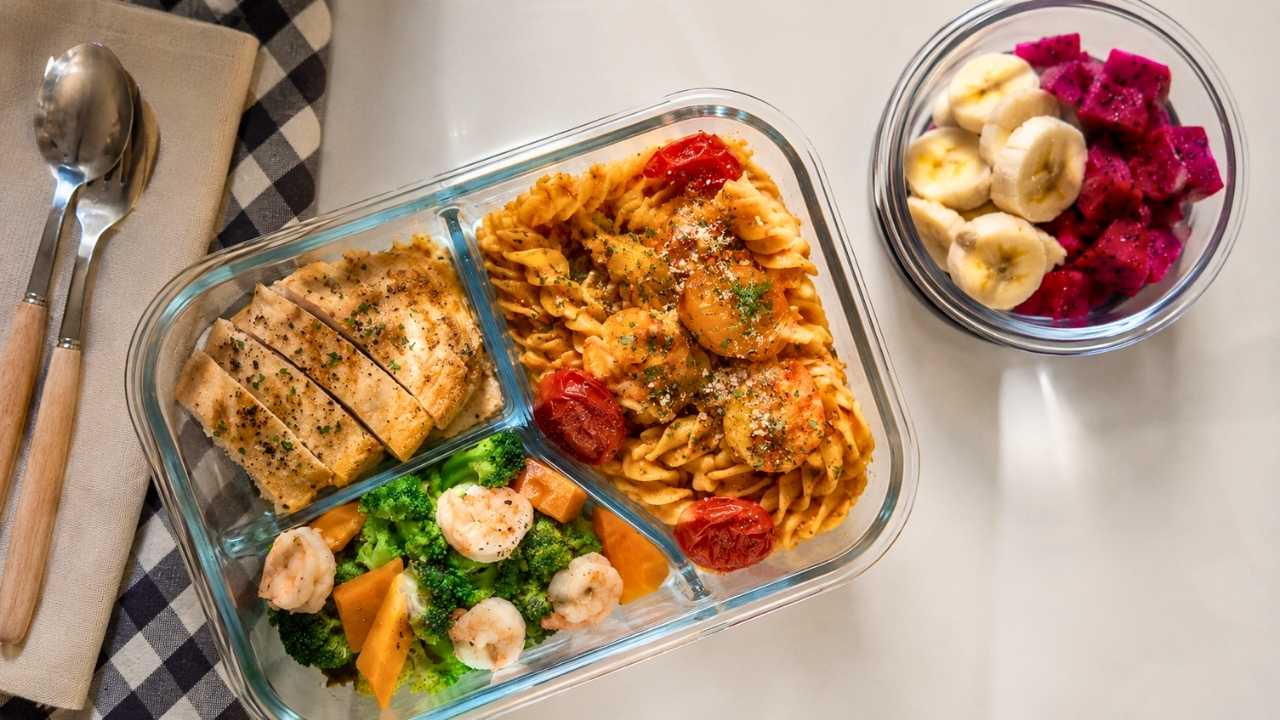
Healthy Meal Prep with Fresh Ingredients: Healthy eating often sounds simple in theory but becomes challenging when life gets busy. Between work commitments, family responsibilities, social events, and daily errands, finding time to cook nutritious meals every day can feel overwhelming. This is where healthy meal prep becomes a game-changer.
Meal preparation is the process of planning, preparing, and storing meals in advance. By dedicating a few hours each week to preparing fresh ingredients and balanced meals, you can save time, reduce stress, minimize unhealthy food choices, and support your overall wellness goals.
Fresh ingredients are the foundation of successful meal prep. Unlike heavily processed foods, fresh vegetables, fruits, lean proteins, whole grains, and healthy fats provide essential nutrients that fuel your body and help maintain optimal health. When combined with proper meal planning, these ingredients can transform your weekly eating habits.
This guide explores practical meal prep strategies, easy weekly recipes, ingredient selection tips, storage recommendations, and expert advice to help you build a sustainable healthy eating routine.
Why Healthy Meal Prep Matters
Meal prep offers numerous benefits beyond simply saving time. It creates a structured approach to eating that supports both physical and mental well-being.
Some of the key advantages include:
- Better portion control
- Reduced food waste
- Consistent nutrient intake
- Lower grocery expenses
- Less reliance on fast food
- Improved energy levels
- Easier weight management
- Reduced daily cooking stress
When healthy meals are readily available, you’re more likely to make nutritious choices throughout the week.
The Foundation of Fresh Ingredient Meal Prep
A successful meal prep routine begins with selecting high-quality ingredients.

Fresh Vegetables
Vegetables should make up a significant portion of your meal prep plan because they provide vitamins, minerals, fiber, and antioxidants.
Excellent meal prep vegetables include:
| Vegetable | Benefits | Storage Life |
|---|---|---|
| Broccoli | Rich in fiber and vitamin C | 5–7 days |
| Bell Peppers | High in antioxidants | 5–7 days |
| Carrots | Great source of beta-carotene | 1–2 weeks |
| Cucumbers | Hydrating and refreshing | 5–7 days |
| Spinach | Packed with iron and vitamins | 3–5 days |
| Zucchini | Low-calorie and versatile | 5–7 days |
| Green Beans | High in fiber | 5–7 days |
Lean Protein Sources
Protein helps support muscle maintenance, satiety, and recovery.
Popular meal prep proteins include:
- Chicken breast
- Turkey breast
- Eggs
- Fish
- Tofu
- Tempeh
- Lentils
- Chickpeas
- Greek yogurt
- Cottage cheese
Whole Grains
Whole grains provide long-lasting energy and important nutrients.
Recommended options include:
- Brown rice
- Quinoa
- Oats
- Whole wheat pasta
- Barley
- Farro
- Sweet potatoes
Healthy Fats
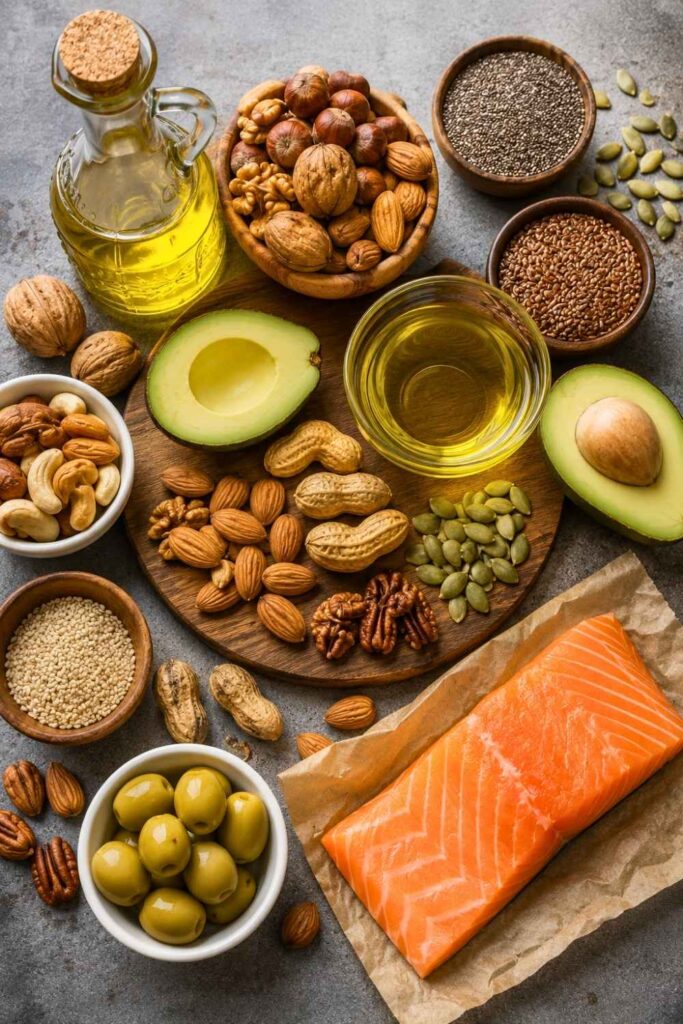
Healthy fats support brain function, hormone production, and heart health.
Examples include:
- Avocados
- Olive oil
- Nuts
- Seeds
- Nut butters
- Fatty fish
Essential Meal Prep Equipment
Having the right tools can make meal prep more efficient and enjoyable.
| Equipment | Purpose |
|---|---|
| Glass meal containers | Safe storage and reheating |
| Cutting board | Ingredient preparation |
| Sharp chef’s knife | Faster chopping |
| Measuring cups | Portion control |
| Baking sheets | Roasting vegetables |
| Slow cooker | Hands-free cooking |
| Food processor | Quick chopping and blending |
| Mixing bowls | Meal assembly |
Investing in quality equipment can significantly improve your meal prep experience.

How to Plan Your Weekly Meals
Meal prep success starts with thoughtful planning.
Step 1: Set Your Goals
Determine what you want to achieve:

- Weight loss
- Muscle gain
- Better energy
- Improved nutrition
- Time savings
Step 2: Create a Weekly Menu
Choose meals for:
- Breakfast
- Lunch
- Dinner
- Snacks
Aim for variety while keeping preparation manageable.
Step 3: Make a Grocery List
Organize your list into categories:
- Produce
- Protein
- Dairy
- Grains
- Pantry items
This makes shopping faster and more efficient.
Step 4: Schedule Prep Time
Many people prefer meal prepping on:
- Sunday
- Saturday
- Wednesday evenings
Select a time that fits your schedule consistently.
Easy Weekly Breakfast Meal Prep Recipes
Overnight Oats with Fresh Berries
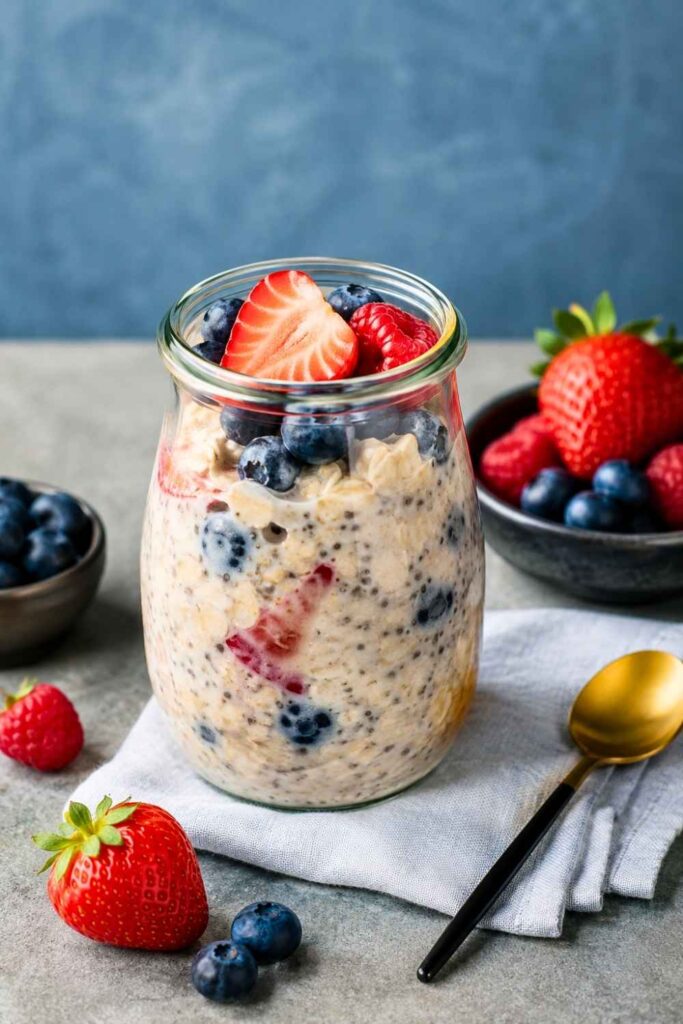
This quick breakfast requires minimal effort and delivers lasting energy.
Ingredients
- 1 cup rolled oats
- 1 cup milk
- ½ cup Greek yogurt
- 1 tablespoon chia seeds
- Fresh berries
Instructions
- Mix oats, milk, yogurt, and chia seeds.
- Divide into containers.
- Refrigerate overnight.
- Add berries before serving.
Nutrition Benefits
- High fiber
- Rich in protein
- Supports digestive health
Vegetable Egg Muffins
Egg muffins provide a portable, protein-rich breakfast option.
Ingredients
- 8 eggs
- Diced bell peppers
- Spinach
- Onions
- Salt and pepper
Instructions
- Preheat oven to 375°F.
- Whisk eggs.
- Mix vegetables.
- Fill muffin tin.
- Bake for 20 minutes.
Store for up to five days.
Healthy Lunch Meal Prep Ideas
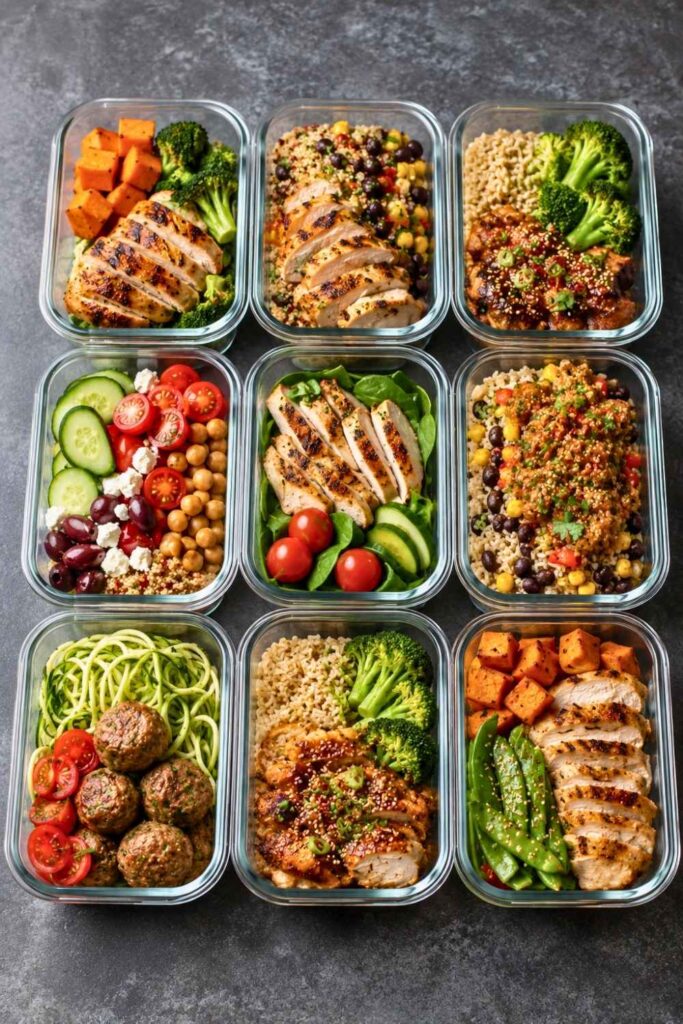
Grilled Chicken Quinoa Bowl
A balanced meal featuring protein, fiber, and healthy carbohydrates.
Ingredients
- Grilled chicken breast
- Cooked quinoa
- Roasted broccoli
- Bell peppers
- Olive oil dressing
Preparation
- Cook quinoa.
- Grill chicken.
- Roast vegetables.
- Assemble containers.
Mediterranean Chickpea Salad
Perfect for vegetarians and packed with nutrients.
Ingredients
- Chickpeas
- Cucumber
- Tomatoes
- Red onion
- Feta cheese
- Olive oil
- Lemon juice
Preparation
- Combine all ingredients.
- Toss with dressing.
- Refrigerate until ready to eat.
Easy Dinner Meal Prep Recipes
Baked Salmon with Vegetables
Salmon provides omega-3 fatty acids that support heart and brain health.
Ingredients
- Salmon fillets
- Asparagus
- Zucchini
- Olive oil
- Garlic
Instructions
- Season salmon.
- Arrange vegetables on baking sheet.
- Bake at 400°F for 20 minutes.
- Store in meal containers.
Turkey and Sweet Potato Skillet
This one-pan recipe simplifies cleanup while providing balanced nutrition.
Ingredients
- Ground turkey
- Sweet potatoes
- Bell peppers
- Garlic
- Onion
Instructions
- Brown turkey.
- Add vegetables.
- Cook until tender.
- Portion into containers.
Healthy Snack Prep Ideas
Snacks help maintain energy levels between meals.
Fresh Fruit Packs
Prepare containers with:
- Apples
- Grapes
- Strawberries
- Pineapple
Hummus and Vegetables
Pair hummus with:
- Carrot sticks
- Celery
- Cucumber slices
- Bell peppers
Greek Yogurt Cups
Top yogurt with:
- Fresh berries
- Nuts
- Seeds
These snacks provide protein, fiber, and healthy fats.
Best Fresh Ingredients for Seasonal Meal Prep
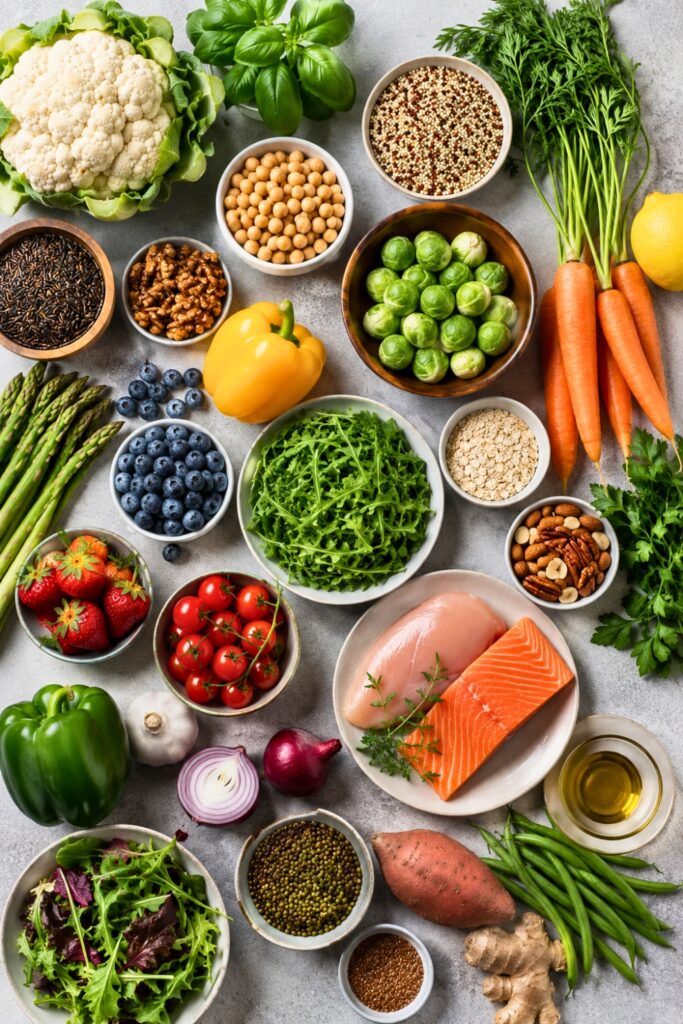
Seasonal produce often tastes better and costs less.
| Season | Recommended Ingredients |
|---|---|
| Spring | Asparagus, peas, spinach |
| Summer | Tomatoes, zucchini, berries |
| Fall | Pumpkin, squash, apples |
| Winter | Kale, broccoli, citrus fruits |
Using seasonal ingredients keeps meals interesting and nutritious.
Common Meal Prep Mistakes to Avoid
Many beginners encounter challenges when starting meal prep.
Preparing Too Much Food
Start small and gradually increase quantities as you gain experience.
Ignoring Variety
Repeated meals can lead to boredom and reduced adherence.
Poor Storage Practices
Use airtight containers and label meals with preparation dates.
Skipping Vegetables
Vegetables add important nutrients and volume to meals.
Lack of Planning
Without a plan, meal prep can become disorganized and stressful.
Food Safety Guidelines
Food safety is essential for successful meal preparation.
Follow these recommendations:
- Refrigerate meals within two hours.
- Store cooked foods below 40°F.
- Reheat foods thoroughly.
- Use separate cutting boards for meat and vegetables.
- Consume prepared meals within 3–5 days.
Proper storage protects both food quality and health.
Building Balanced Meals
Each meal should include:
| Component | Examples |
|---|---|
| Protein | Chicken, fish, tofu |
| Carbohydrates | Brown rice, quinoa, oats |
| Vegetables | Broccoli, spinach, peppers |
| Healthy Fats | Olive oil, avocado, nuts |
This balance supports sustained energy and overall wellness.
Key Highlights
- Meal prep saves time and reduces daily cooking stress.
- Fresh ingredients provide superior nutrition compared to processed foods.
- Balanced meals should contain protein, healthy fats, vegetables, and complex carbohydrates.
- Weekly planning improves consistency and healthy eating habits.
- Proper food storage helps maintain freshness and safety.
- Seasonal produce offers better flavor and affordability.
- Easy breakfast, lunch, dinner, and snack recipes make healthy eating sustainable.
FAQs
What is healthy meal prep?
Healthy meal prep is the process of preparing nutritious meals and ingredients in advance to save time and support consistent healthy eating throughout the week.
How long do meal-prepped meals stay fresh?
Most meal-prepped meals remain fresh for 3–5 days when stored properly in airtight containers in the refrigerator.
Which foods are best for meal prep?
Lean proteins, fresh vegetables, whole grains, legumes, eggs, and healthy fats are excellent choices for meal preparation.
Can meal prep help with weight loss?
Yes. Meal prep supports portion control, reduces impulsive eating, and makes it easier to maintain a balanced calorie intake.
How many days should I meal prep for?
Most people prepare meals for 4–5 days at a time to maintain freshness and food quality.
What containers are best for meal prep?
Glass airtight containers are preferred because they are durable, reusable, and safe for reheating.
Final Words
Healthy meal prep with fresh ingredients is one of the most effective ways to maintain a nutritious lifestyle despite a busy schedule. By planning meals in advance, selecting wholesome ingredients, and preparing balanced recipes, you can create a sustainable eating routine that supports long-term health goals. Consistency is more important than perfection, so start with a few simple recipes, build confidence over time, and enjoy the benefits of healthier eating every day.