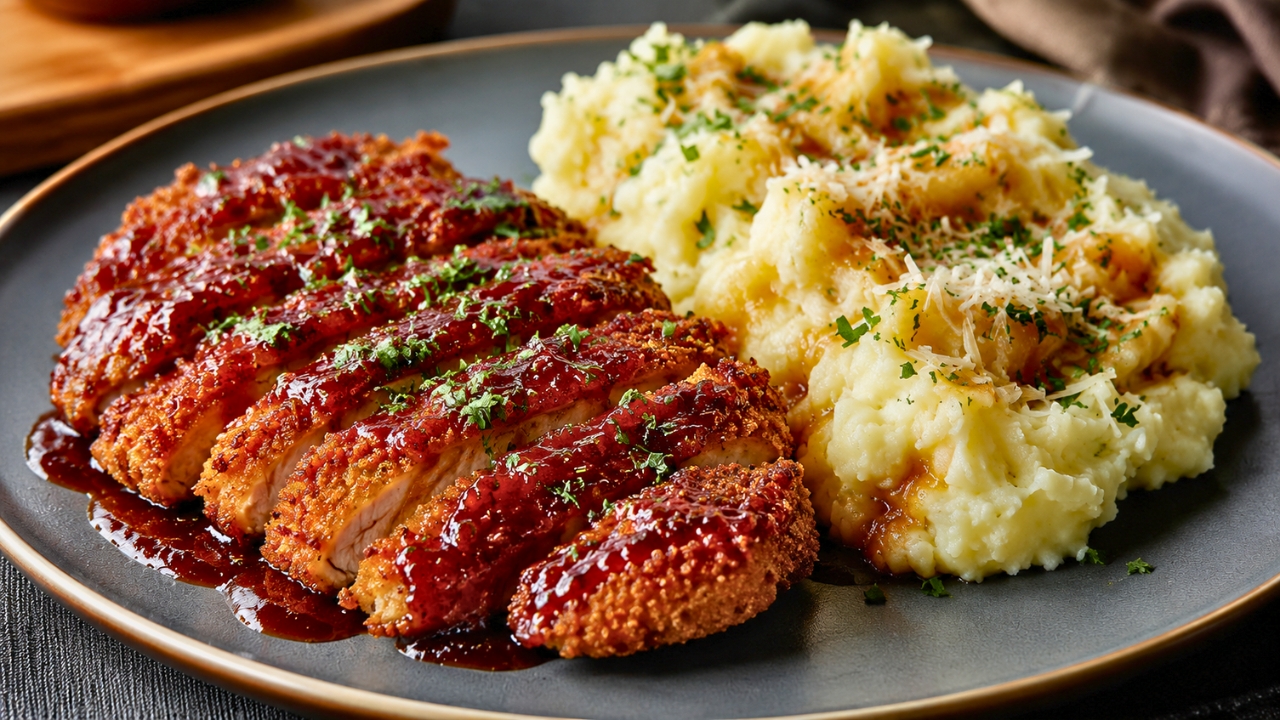
Crispy Tonkatsu and Creamy Mashed Potatoes Platter: Japanese cuisine has earned worldwide recognition for its balance of flavors, artistic presentation, and commitment to fresh ingredients. Among the many beloved dishes from Japan, Tonkatsu stands out as one of the most satisfying comfort foods. Featuring a crispy breaded pork cutlet paired with rich sauces and flavorful side dishes, Tonkatsu offers a delightful combination of textures and tastes that appeal to food lovers across the globe.
When served alongside creamy mashed potatoes, fresh vegetables, and traditional Japanese condiments, Tonkatsu transforms into a complete and hearty meal. The Crispy Tonkatsu and Creamy Mashed Potatoes Platter combines the crunch of perfectly fried pork with the smooth richness of buttery mashed potatoes, creating a dining experience that feels both comforting and indulgent.
Whether enjoyed at a Japanese restaurant or prepared at home, this platter represents the perfect blend of Eastern culinary tradition and Western comfort food influences. In this article, we will explore the origins of Tonkatsu, its preparation methods, nutritional value, serving suggestions, and why this delicious platter continues to be a favorite among food enthusiasts.
What is Tonkatsu?
Tonkatsu is a traditional Japanese dish consisting of a pork cutlet that is coated in flour, egg, and panko breadcrumbs before being deep-fried until golden brown. The word “Ton” means pork, while “Katsu” is derived from the English word “cutlet.”
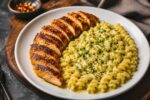
The dish was first introduced in Japan during the late 19th century and was inspired by European breaded meat dishes. Over time, Japanese chefs adapted the recipe to suit local tastes, resulting in the iconic Tonkatsu known today.
A typical serving includes:
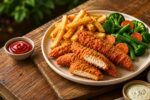
- Crispy pork cutlet
- Shredded cabbage
- Tonkatsu sauce
- Rice or potatoes
- Pickled vegetables
- Miso soup
The combination of crispy texture and juicy meat has made Tonkatsu one of Japan’s most beloved comfort foods.
The History Behind Tonkatsu
Tonkatsu originated during Japan’s Meiji Era, a period marked by modernization and increased exposure to Western culture. Japanese cooks experimented with European-style cutlets and eventually developed their own version using pork and panko breadcrumbs.
Initially considered a luxury dish, Tonkatsu gradually became accessible to the general public. Specialized Tonkatsu restaurants emerged across Japan, each developing unique frying techniques and signature sauces.
Today, Tonkatsu is widely enjoyed in homes, restaurants, and even convenience stores throughout Japan. Its popularity has spread internationally, making it a staple on Japanese restaurant menus worldwide.
Why Tonkatsu and Mashed Potatoes Make the Perfect Pair
The success of this platter lies in the contrast of textures and flavors.
The crispy exterior of the pork cutlet provides a satisfying crunch, while the mashed potatoes deliver smooth, creamy richness. Together, they create a balanced and enjoyable meal.

Some reasons why this pairing works so well include:
| Feature | Tonkatsu | Mashed Potatoes |
|---|---|---|
| Texture | Crispy and crunchy | Smooth and creamy |
| Flavor | Savory and rich | Buttery and mild |
| Satisfaction | High protein content | Comforting carbohydrate source |
| Visual Appeal | Golden brown crust | Soft and fluffy appearance |
| Pairing Effect | Adds crunch | Adds creaminess |
The contrast elevates the dining experience and makes every bite memorable.

Ingredients Used in Crispy Tonkatsu
Creating authentic Tonkatsu requires simple yet high-quality ingredients.
Main Ingredients
- Pork loin or pork tenderloin
- All-purpose flour
- Eggs
- Panko breadcrumbs
- Salt
- Black pepper
- Vegetable oil
Optional Seasonings
- Garlic powder
- Paprika
- White pepper
- Japanese seasoning blends
The quality of the pork and breadcrumbs significantly impacts the final result.
Understanding Panko Breadcrumbs
Panko breadcrumbs are one of the defining features of Tonkatsu.
Unlike regular breadcrumbs, panko is lighter, flakier, and airier. This unique texture helps create a crispier coating that absorbs less oil during frying.
Benefits of panko breadcrumbs include:
- Extra crunchiness
- Golden color
- Lighter texture
- Better oil absorption control
- Enhanced presentation
These qualities contribute to the signature crispiness that Tonkatsu lovers appreciate.
How Creamy Mashed Potatoes Complement Tonkatsu
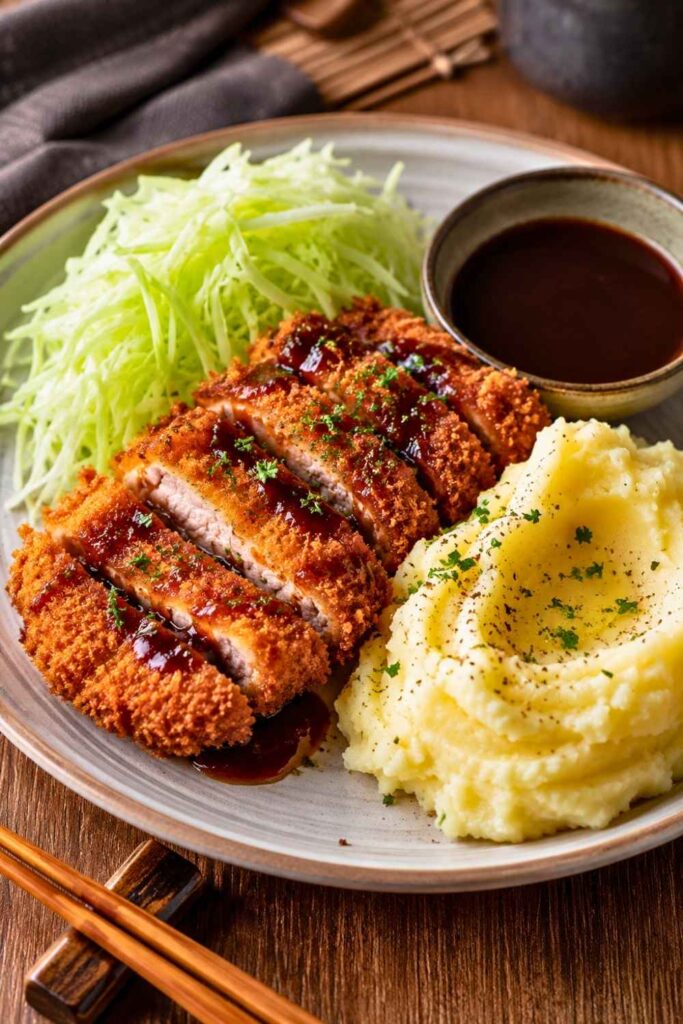
Mashed potatoes bring warmth and comfort to the platter.
Prepared with butter, cream, milk, and seasoning, they provide a rich base that balances the savory pork cutlet.
Common additions include:
- Roasted garlic
- Parmesan cheese
- Fresh herbs
- Chives
- Black pepper
The creamy texture helps soften the richness of the fried cutlet and creates harmony on the plate.
Step-by-Step Preparation Process
Step 1: Preparing the Pork
The pork is trimmed and pounded evenly to ensure consistent cooking. Salt and pepper are added for seasoning.
Step 2: Breading the Cutlet
The pork is coated in:
- Flour
- Beaten egg
- Panko breadcrumbs
This layering process creates the signature crispy crust.
Step 3: Frying
The cutlets are fried in hot oil until golden brown and fully cooked.
Ideal frying temperature ranges between 170°C and 180°C.
Step 4: Preparing the Mashed Potatoes
Boiled potatoes are mashed with:
- Butter
- Milk
- Cream
- Salt
The mixture is whipped until smooth and fluffy.
Step 5: Plating
The Tonkatsu is sliced into strips and served alongside mashed potatoes, cabbage, and sauce.
Nutritional Profile
A typical serving provides a balanced combination of nutrients.
| Nutrient | Approximate Amount |
|---|---|
| Calories | 650-850 kcal |
| Protein | 35-45 g |
| Carbohydrates | 40-60 g |
| Fat | 25-40 g |
| Fiber | 4-8 g |
| Sodium | Moderate |
Actual values vary depending on portion size and preparation methods.
Popular Side Dishes Served with Tonkatsu
Several side dishes complement the platter beautifully.
Shredded Cabbage
Provides freshness and crunch.
Pickled Vegetables
Add acidity and brightness.
Miso Soup
Balances richness with savory umami flavors.
Steamed Rice
A traditional Japanese accompaniment.
Japanese Potato Salad
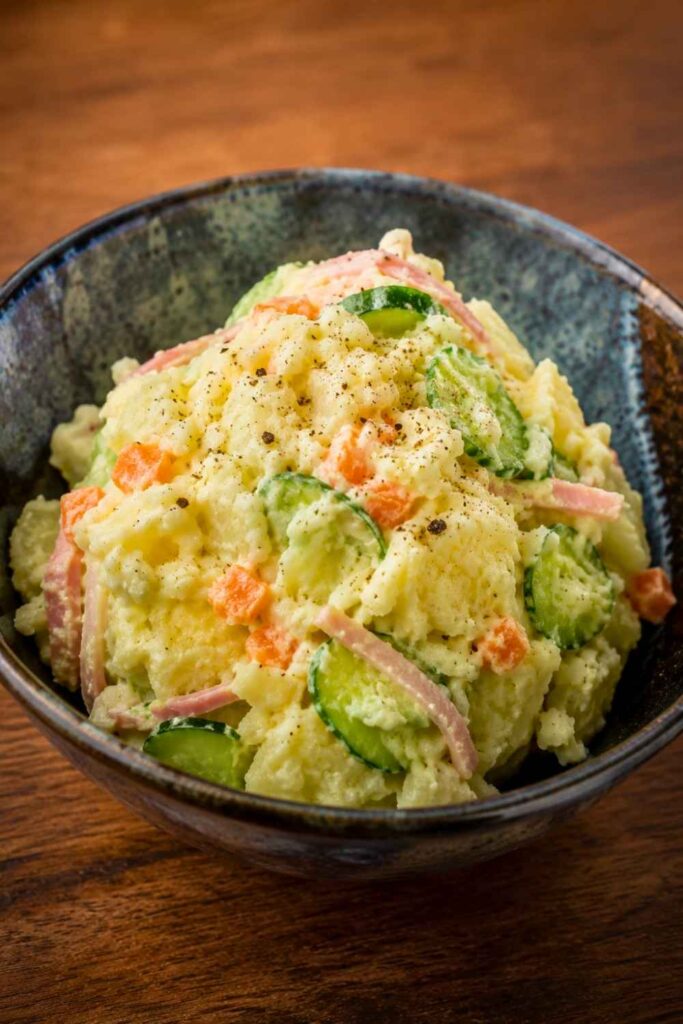
Offers another creamy texture variation.
These additions help create a complete meal experience.
Tonkatsu Sauce: The Essential Finishing Touch
No Tonkatsu platter is complete without Tonkatsu sauce.
This thick, tangy, and slightly sweet sauce is made from ingredients such as:
- Fruits
- Vegetables
- Vinegar
- Soy sauce
- Sugar
- Spices
The sauce enhances the flavor of the pork without overpowering it.
Tips for Achieving Restaurant-Quality Tonkatsu
To achieve professional results:
- Use fresh panko breadcrumbs.
- Maintain proper oil temperature.
- Avoid overcrowding the fryer.
- Rest fried cutlets before slicing.
- Choose high-quality pork.
- Season generously.
These techniques help maximize flavor and texture.
Healthier Alternatives
Those seeking a lighter version can make several modifications.
Air Fryer Tonkatsu
Uses significantly less oil.
Baked Tonkatsu
Provides a healthier cooking option.
Lean Pork Cuts
Reduce overall fat content.
Lighter Mashed Potatoes
Use low-fat milk instead of cream.
These adjustments allow for a more health-conscious meal while preserving flavor.
Why Food Lovers Enjoy This Platter
The Crispy Tonkatsu and Creamy Mashed Potatoes Platter appeals to a wide range of diners because it combines:
- Crunchy textures
- Juicy pork
- Creamy potatoes
- Rich sauces
- Balanced flavors
- Comfort food satisfaction
The dish delivers both familiarity and culinary excitement.
Serving Ideas for Special Occasions
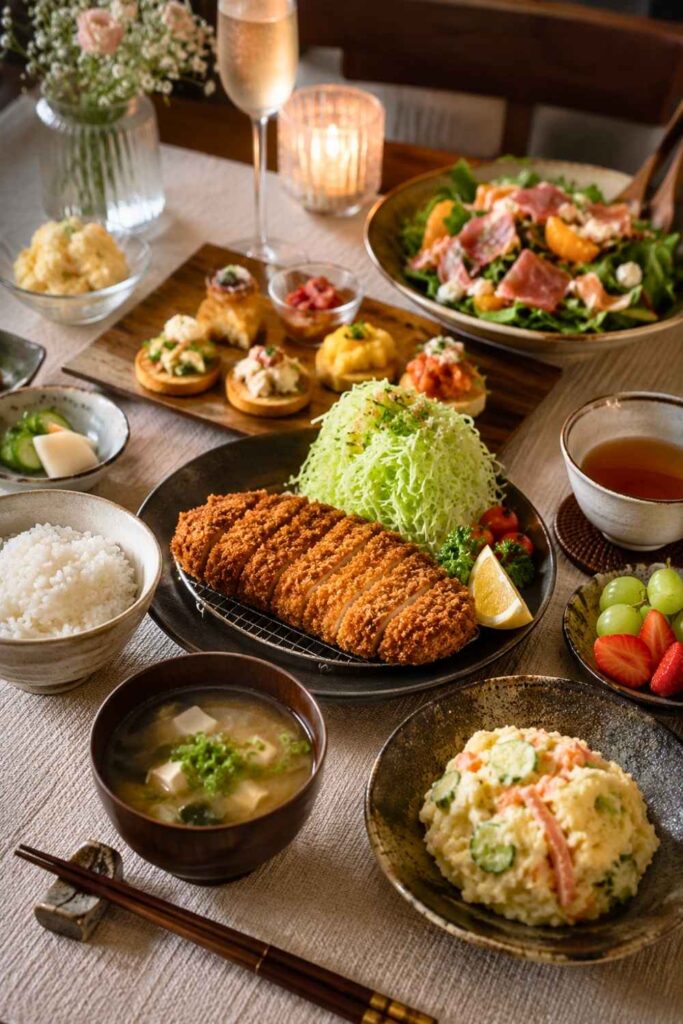
This platter works wonderfully for:
- Family dinners
- Weekend lunches
- Japanese-themed parties
- Holiday meals
- Restaurant-style home dining
- Celebration gatherings
Its attractive presentation and satisfying flavors make it suitable for many occasions.
Key Highlights
- Tonkatsu is a traditional Japanese breaded pork cutlet.
- Panko breadcrumbs create the dish’s signature crispiness.
- Creamy mashed potatoes provide a smooth and comforting contrast.
- Tonkatsu sauce enhances flavor with sweet and tangy notes.
- The platter offers a balanced mix of protein, carbohydrates, and texture.
- It can be customized with healthier cooking methods.
- Popular side dishes include cabbage, rice, pickles, and miso soup.
- The meal combines Japanese culinary tradition with global comfort food appeal.
FAQs
What cut of pork is best for Tonkatsu?
Pork loin is the most popular choice because it remains juicy while developing a crispy exterior.
Why are panko breadcrumbs used instead of regular breadcrumbs?
Panko breadcrumbs create a lighter, crunchier coating and absorb less oil.
Can Tonkatsu be made in an air fryer?
Yes, air fryers can produce a crispy texture while reducing oil usage.
What sauce is traditionally served with Tonkatsu?
A sweet and tangy Tonkatsu sauce made from fruits, vegetables, soy sauce, and spices.
Can mashed potatoes replace rice in a Tonkatsu meal?
Absolutely. Mashed potatoes provide a creamy texture that complements the crispy pork beautifully.
Is Tonkatsu spicy?
Traditional Tonkatsu is not spicy, though spicy sauces may be added according to preference.
How should leftovers be stored?
Store Tonkatsu and mashed potatoes separately in airtight containers and refrigerate for up to three days.
Can chicken be used instead of pork?
Yes, Chicken Katsu is a popular variation prepared using the same breading and frying method.
Final Words
The Crispy Tonkatsu and Creamy Mashed Potatoes Platter is a perfect example of how contrasting textures and complementary flavors can create an unforgettable meal. The golden crunch of expertly fried Tonkatsu paired with silky mashed potatoes offers both comfort and sophistication in every bite. Whether served as a family dinner, restaurant specialty, or weekend treat, this delicious Japanese-inspired platter continues to delight food lovers around the world. With its rich history, satisfying flavor profile, and endless customization possibilities, it remains one of the most enjoyable and comforting meals you can experience.