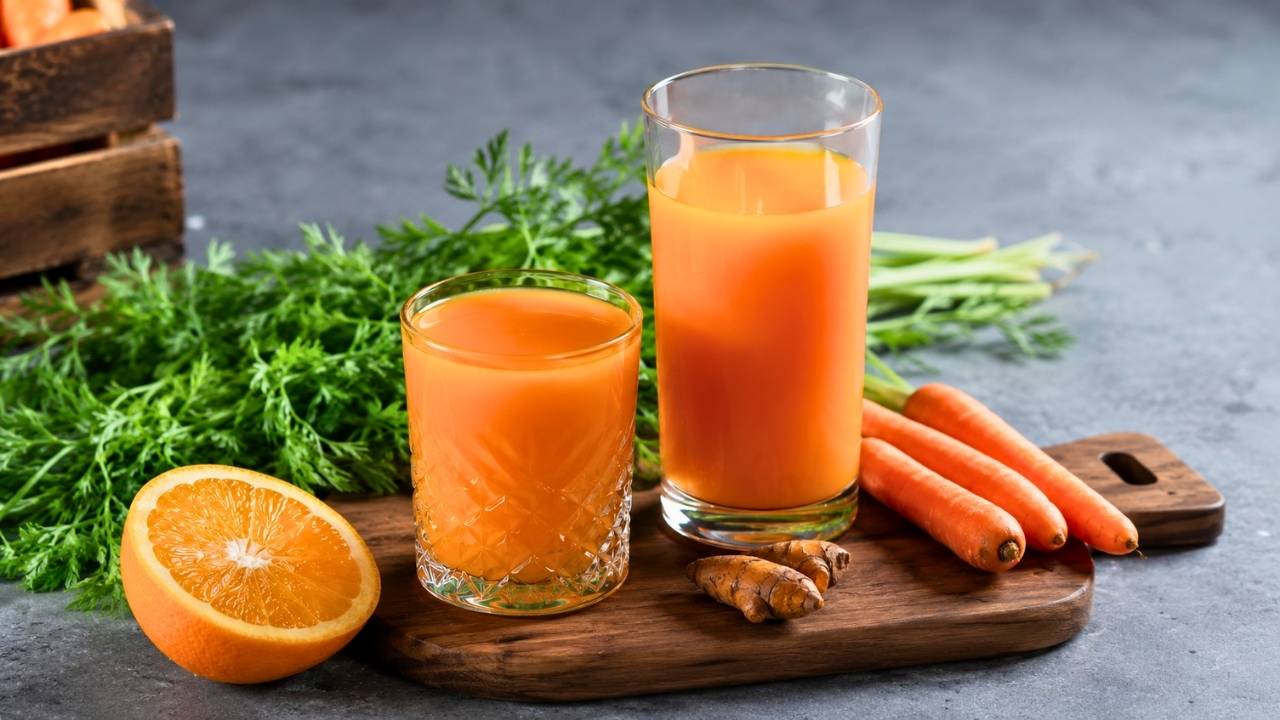
Fresh Juice and Vibrant Produce: In today’s fast-paced world, maintaining a healthy lifestyle can seem challenging. Between busy work schedules, family responsibilities, and endless daily tasks, many people struggle to consume enough fruits and vegetables. One of the simplest and most enjoyable ways to improve nutrition is by incorporating fresh homemade juices and healthy drinks into your daily routine.
Fresh juices made from vibrant fruits and vegetables offer a convenient way to consume essential vitamins, minerals, antioxidants, and hydration. Unlike many packaged beverages loaded with added sugars and preservatives, homemade healthy drinks provide natural goodness while supporting overall wellness.

Whether you are looking to boost your immune system, improve digestion, increase energy levels, or simply enjoy delicious beverages, fresh juices can become a valuable addition to your lifestyle. This guide explores the benefits of fresh produce, easy homemade juice recipes, nutrition tips, and practical strategies for maintaining everyday wellness.
Why Fresh Produce Matters for Good Health
Fresh fruits and vegetables are among the most nutrient-dense foods available. They provide the body with essential nutrients necessary for proper functioning and disease prevention.
Some key benefits of consuming fresh produce include:
- Improved immune system function
- Better digestive health
- Enhanced energy levels
- Healthier skin and hair
- Reduced inflammation
- Lower risk of chronic diseases
- Improved heart health
- Better weight management
Fresh produce contains powerful plant compounds known as phytonutrients. These natural compounds help protect the body against oxidative stress and support long-term health.

Nutritional Value of Common Fresh Produce
| Produce | Key Nutrients | Major Health Benefits |
|---|---|---|
| Orange | Vitamin C, Fiber | Immune support, skin health |
| Apple | Fiber, Antioxidants | Digestive health, heart health |
| Carrot | Vitamin A, Beta-Carotene | Eye health, immunity |
| Spinach | Iron, Folate, Vitamin K | Blood health, bone strength |
| Beetroot | Nitrates, Folate | Improved circulation |
| Cucumber | Water, Potassium | Hydration and detox support |
| Lemon | Vitamin C | Immunity and digestion |
| Pineapple | Bromelain, Vitamin C | Digestion and inflammation control |
| Watermelon | Lycopene, Hydration | Heart health and hydration |
| Ginger | Antioxidants | Digestive support and immunity |
Benefits of Homemade Healthy Drinks
Homemade healthy drinks offer several advantages compared to commercial beverages.
Better Ingredient Control
You decide exactly what goes into your drink. There are no hidden sugars, preservatives, artificial flavors, or synthetic colors.

Higher Nutrient Retention
Freshly prepared juices retain many vitamins and antioxidants that may degrade during industrial processing and storage.
Customizable Nutrition
You can tailor ingredients according to your health goals, whether it is weight management, detoxification, hydration, or energy enhancement.

Cost-Effective Wellness
Preparing healthy drinks at home is often more affordable than purchasing premium bottled juices regularly.
Encourages Healthy Eating Habits
Drinking homemade juices can motivate individuals to consume more fruits and vegetables throughout the day.

Essential Ingredients for Healthy Homemade Drinks
A well-balanced healthy drink often includes ingredients from different nutritional categories.
Fruits
Fruits add natural sweetness and essential vitamins.
Popular choices include:
- Apples
- Oranges
- Mangoes
- Berries
- Pineapple
- Watermelon
- Pomegranate
Vegetables
Vegetables enhance nutrient density while keeping sugar content moderate.

Good options include:
- Spinach
- Kale
- Carrots
- Cucumber
- Beetroot
- Celery
Herbs and Spices
These ingredients improve flavor and provide additional health benefits.

Examples include:
- Ginger
- Mint
- Basil
- Turmeric
- Cinnamon
Healthy Liquid Bases
- Coconut water
- Plain water
- Unsweetened almond milk
- Oat milk
- Green tea
Easy Homemade Healthy Drink Recipes
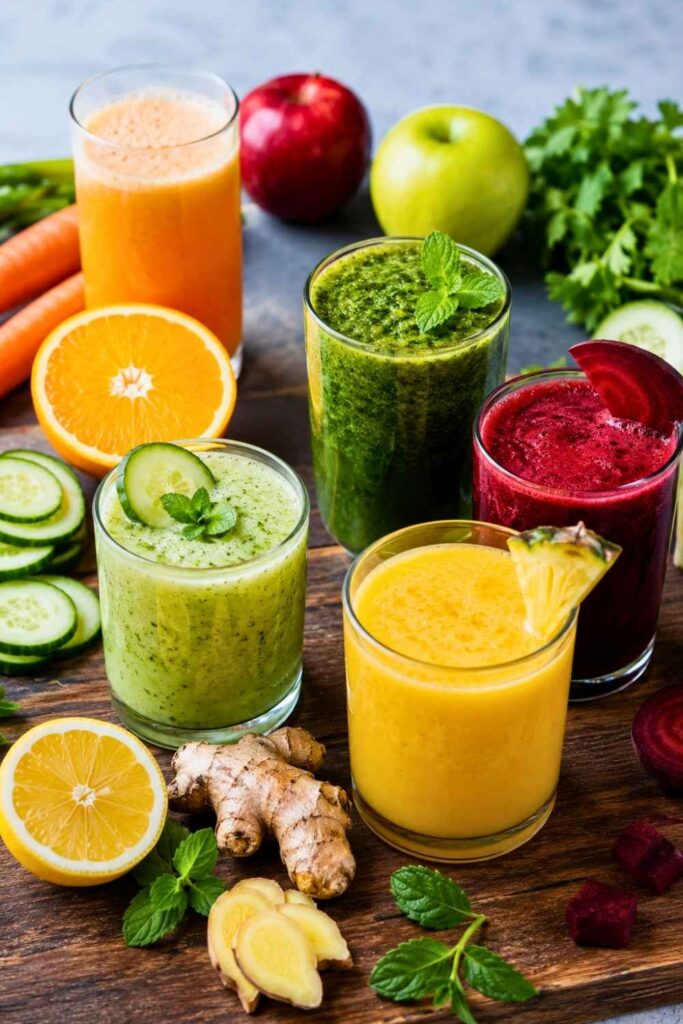
Morning Immunity Booster Juice
Ingredients:

- 2 oranges
- 1 carrot
- 1-inch ginger
- Half lemon
Benefits:
This drink provides vitamin C, antioxidants, and anti-inflammatory compounds to support immune function.
Green Wellness Juice
Ingredients:
- 1 cucumber
- 2 cups spinach
- 1 green apple
- Mint leaves
- Lemon juice
Benefits:
Supports hydration, digestion, and overall wellness.
Beetroot Energy Drink
Ingredients:
- 1 beetroot
- 1 apple
- 1 carrot
- Small piece of ginger
Benefits:
Improves circulation and may enhance physical performance.
Tropical Digestive Smoothie
Ingredients:
- Pineapple chunks
- Banana
- Coconut water
- Fresh mint
Benefits:
Supports digestion while providing natural energy.
Watermelon Hydration Refresher
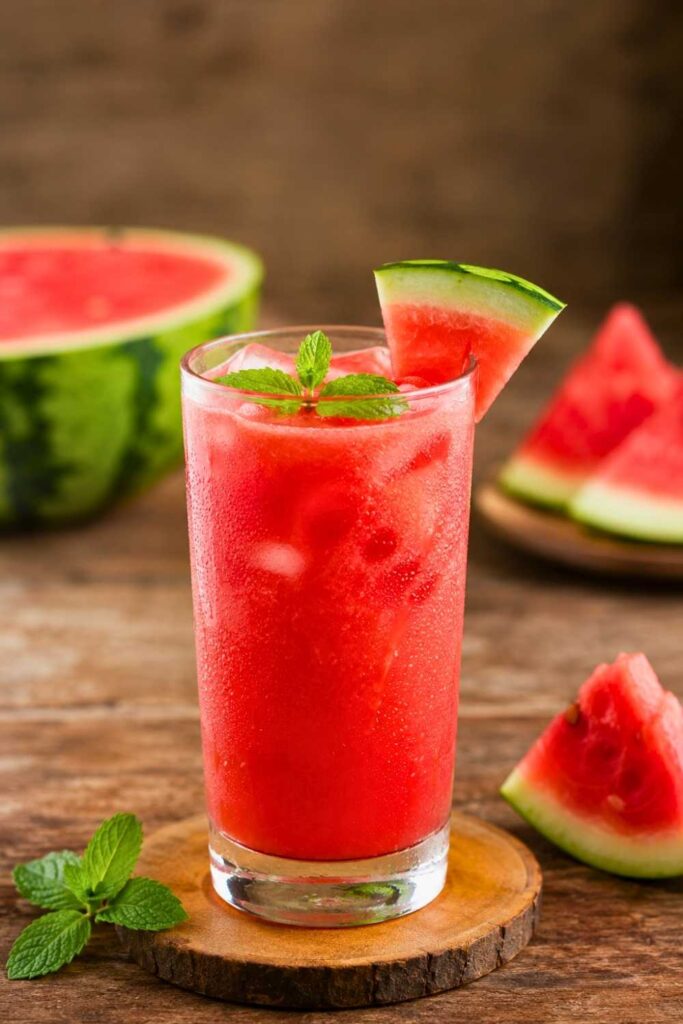
Ingredients:
- Watermelon cubes
- Lemon juice
- Mint leaves
Benefits:
Excellent for hydration during hot weather.
Understanding Juice vs Smoothie
Many people wonder whether juices or smoothies are healthier.
Fresh Juice
Advantages:
- Easy to digest
- Concentrated nutrients
- Quick absorption
Disadvantages:
- Lower fiber content
- May increase blood sugar faster
Smoothie
Advantages:
- Contains fiber
- More filling
- Supports digestive health
Disadvantages:
- Slightly higher calorie content
For balanced nutrition, both can be included in a healthy diet.
Best Nutrition Tips for Everyday Wellness
Eat a Variety of Colors
Different colored fruits and vegetables contain unique nutrients and antioxidants.
Aim to include:
- Red foods
- Orange foods
- Yellow foods
- Green foods
- Blue and purple foods
Stay Properly Hydrated
Water remains the most important beverage for health. Healthy juices should complement, not replace, daily water intake.
Limit Added Sugars
Choose natural sweetness from fruits instead of adding sugar or syrups.
Focus on Whole Foods
Juices work best when combined with a balanced diet rich in whole foods.
Practice Portion Control
Even healthy drinks should be consumed in moderation.
Prioritize Fresh Ingredients
Fresh produce generally contains higher nutrient levels than heavily processed alternatives.
Seasonal Produce Guide
Choosing seasonal produce often provides better taste, freshness, and affordability.
| Season | Recommended Produce |
|---|---|
| Spring | Strawberries, spinach, peas |
| Summer | Watermelon, cucumber, mango |
| Autumn | Apples, carrots, pumpkin |
| Winter | Citrus fruits, beetroot, cabbage |
Common Mistakes to Avoid When Making Healthy Drinks
Using Too Much Fruit
Excess fruit can significantly increase sugar content.
Ignoring Vegetables
Vegetables add valuable nutrients while helping balance sweetness.
Skipping Protein Sources
Consider adding yogurt, seeds, or nut butter to smoothies for satiety.
Drinking Juice Instead of Meals
Healthy drinks should supplement balanced meals, not consistently replace them.
Storing Juice for Too Long
Fresh juice is best consumed immediately after preparation.
How Fresh Juices Support Specific Health Goals
Weight Management
Low-calorie vegetable-based juices can support healthy eating habits.
Better Digestion
Ingredients such as ginger, pineapple, and mint may aid digestion.
Immune Support
Vitamin C-rich fruits help support immune function.
Healthy Skin
Antioxidant-rich fruits and vegetables contribute to skin health.
Energy Enhancement
Natural sugars, vitamins, and minerals provide sustained energy.
Building a Sustainable Healthy Drink Routine
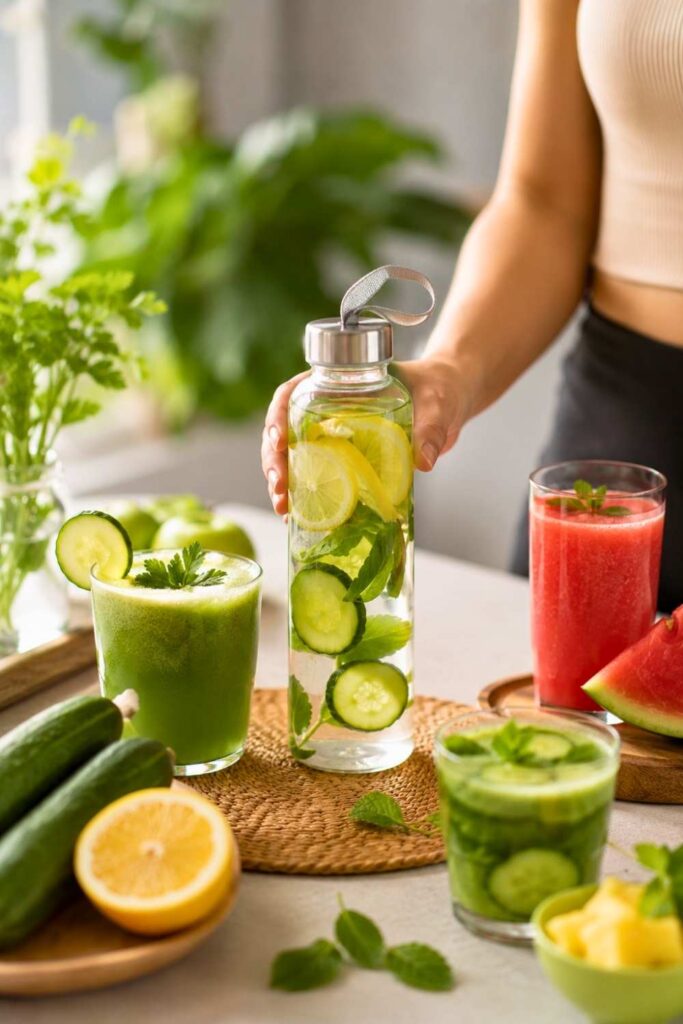
Creating a long-term wellness habit requires consistency.
Helpful strategies include:
- Prepare ingredients in advance
- Buy seasonal produce
- Experiment with new recipes
- Use reusable bottles
- Drink fresh juices regularly
- Combine juices with balanced meals
Small daily improvements often lead to meaningful long-term health benefits.
Key Highlights
- Fresh homemade juices provide essential vitamins, minerals, and antioxidants.
- Vibrant fruits and vegetables support immunity, digestion, and overall wellness.
- Homemade drinks offer better ingredient control and fewer additives.
- Combining fruits, vegetables, herbs, and healthy liquid bases creates balanced beverages.
- Smoothies retain fiber while juices offer faster nutrient absorption.
- Seasonal produce often provides better flavor, affordability, and nutritional value.
- Healthy drinks should complement a balanced diet rather than replace meals.
- Consistent hydration and diverse produce consumption contribute to long-term health.
FAQs
Are homemade juices healthier than store-bought juices?
Yes. Homemade juices typically contain fewer additives, preservatives, and added sugars while providing fresher nutrients.
How often should I drink fresh juice?
Most people can enjoy fresh juice several times per week as part of a balanced diet.
Can fresh juice help with weight loss?
Fresh juice may support weight management when combined with healthy eating habits and regular physical activity.
What is the best time to drink fresh juice?
Many people prefer drinking fresh juice in the morning or between meals for optimal nutrient absorption.
Should I remove the pulp from juice?
Keeping some pulp can increase fiber content and improve satiety.
Which vegetables are best for beginners?
Cucumber, carrots, spinach, and celery are excellent beginner-friendly choices.
Can children drink homemade fresh juices?
Yes, when prepared using fresh ingredients and consumed in moderation as part of a balanced diet.
How long can fresh juice be stored?
Fresh juice is best consumed immediately, but it can typically be refrigerated for up to 24 hours in an airtight container.
Final Words
Fresh juice and vibrant produce can play an important role in supporting everyday wellness. By incorporating nutrient-rich fruits, vegetables, herbs, and natural ingredients into homemade drinks, individuals can enjoy delicious beverages while nourishing their bodies. Small changes, such as preparing a fresh juice in the morning or adding more colorful produce to daily meals, can create lasting health benefits over time. Consistency, balance, and variety remain the foundation of a healthy lifestyle, making fresh homemade drinks an enjoyable and practical step toward better overall well-being.