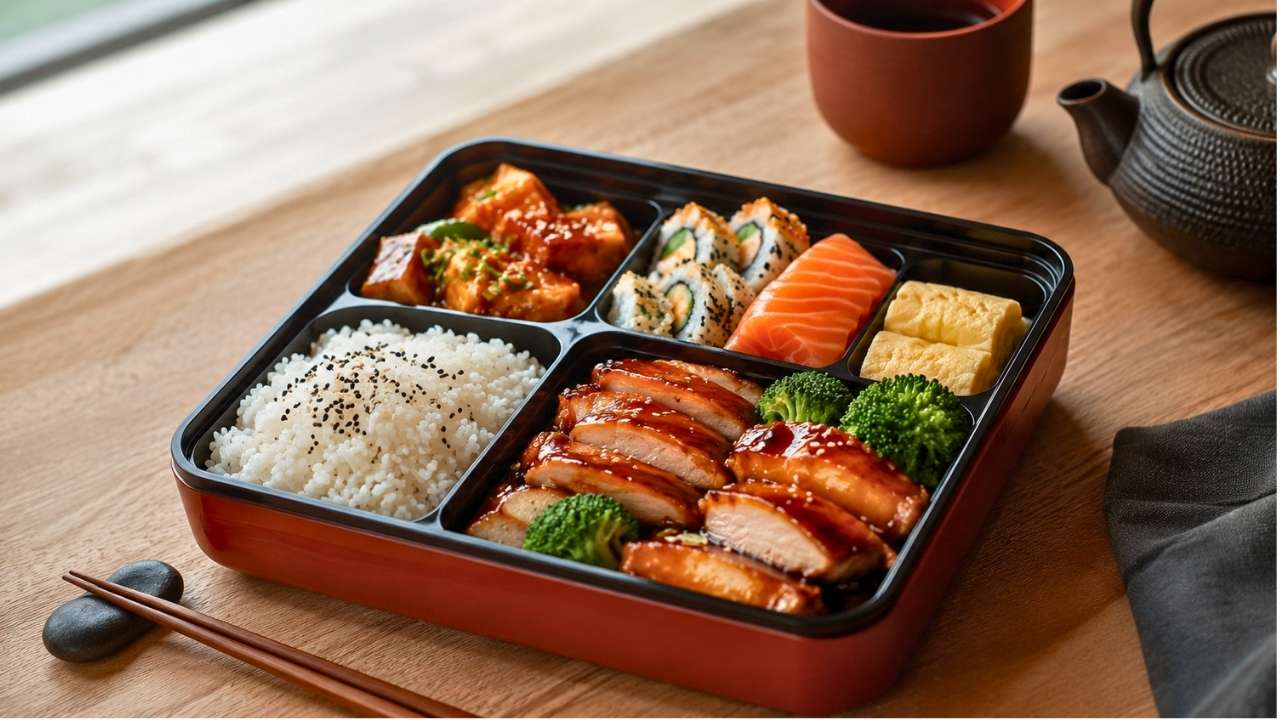
Authentic Japanese Bento Box with Teriyaki Chicken: The Japanese bento box is far more than a convenient meal on the go. It represents a culinary philosophy that balances flavor, texture, nutrition, and visual aesthetics within a single, compact container. For centuries, the bento has been an integral part of Japanese daily life, serving as a canvas for home cooks and professional chefs alike. The combination of sweet and savory Teriyaki Chicken, delicate Fresh Sushi, perfectly seasoned rice, and a colorful assortment of traditional side dishes creates a dining experience that satisfies all the senses.
Understanding the art of the bento box requires exploring its historical roots, the principles that govern its arrangement, and the specific role each component plays in creating harmony. This comprehensive guide will take you deep into the world of Japanese bento, breaking down the essential elements, providing detailed recipes, and offering practical tips for crafting your own authentic bento masterpiece.

The Cultural Evolution of the Japanese Bento
The origin of the bento dates back to the late Kamakura period when dried rice, known as hoshi-ii, was developed for travelers to carry and reconstitute with water. Over the centuries, this utilitarian food storage system evolved into an elegant social tradition. During the Edo period, bento boxes became associated with outdoor excursions, theater performances, and tea ceremonies. Wealthy patrons carried lacquered boxes filled with intricate delicacies to enjoy during Hanami, the annual cherry blossom viewing festival.
In modern Japan, the bento remains a ubiquitous part of life. Schoolchildren open boxes lovingly prepared by their parents, while commuters pick up regional varieties, known as Ekiben, at train stations. The bento is a reflection of care, mindfulness, and seasonal awareness. Packing a bento involves considering how the food will taste at room temperature, how the colors contrast against one another, and how the nutrients are distributed to maintain a healthy lifestyle.
The Anatomy of a Balanced Bento Box
An authentic bento is built on a specific structural balance. Traditionally, a ratio of four parts rice, three parts side dishes, two parts vegetables, and one part pickled items or treats is often cited as the ideal nutritional breakdown. Another popular framework simplifies this to a ratio of 3:2:1, representing three parts carbohydrates, two parts protein, and one part vegetables.
Beyond nutrition, visual appeal is guided by the rule of five colors. A classic bento should feature red, yellow, green, black, and white elements. This practice ensures a wide array of vitamins and minerals while making the meal visually irresistible. The arrangement must also be compact to prevent the contents from shifting during transport, requiring strategic placement of hard, soft, large, and small items.

Mastering the Anchor Protein Teriyaki Chicken
Teriyaki Chicken serves as an excellent anchor protein for a bento box because it retains its moisture and flavor even when eaten cold or at room temperature. The word teriyaki is derived from teri, referring to the shine or luster given by the sugar and mirin glaze, and yaki, which means grilled or broiled.
Authentic Japanese teriyaki does not rely on store-bought bottled sauces, which often contain artificial thickeners and excessive corn syrup. Instead, it utilizes a simple, elegant combination of soy sauce, mirin, sake, and sugar. This mixture reduces naturally into a rich syrup that clings to the chicken skin. Thigh meat is highly preferred over breast meat for bento preparation because its higher fat content prevents it from drying out.
Teriyaki Chicken Ingredient Breakdown
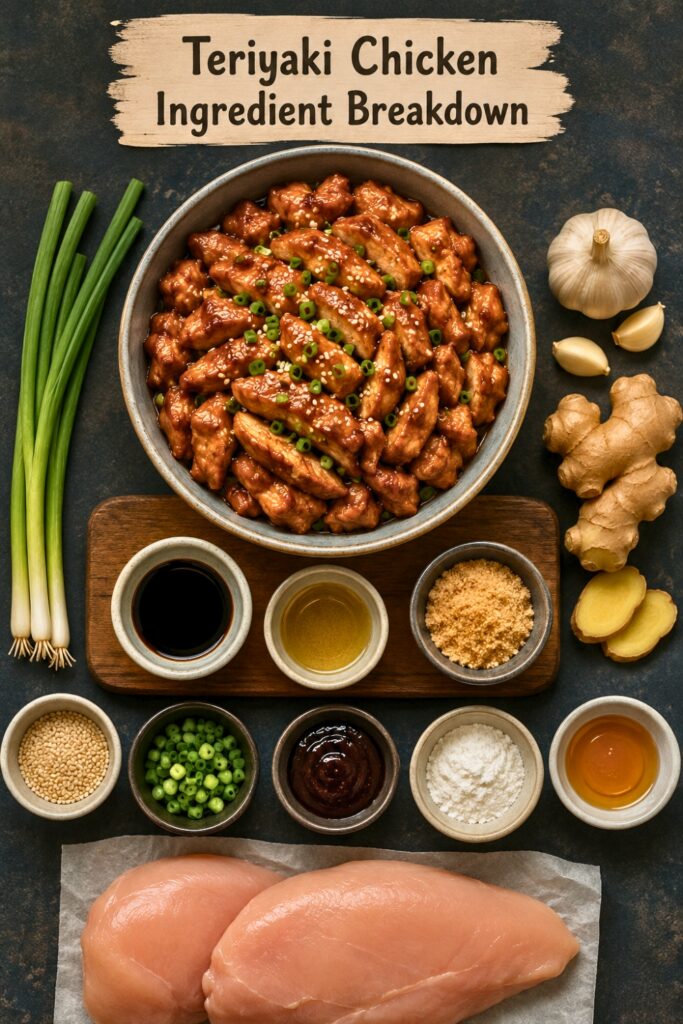
To achieve the perfect balance of sweet and savory, you need high-quality foundational ingredients.
| Ingredient | Role in the Dish | Selection Tip |
|---|---|---|
| Chicken Thighs | Main structural protein, remains juicy when cold | Bone-in, skin-on thighs provide the best flavor and texture |
| Soy Sauce | Provides the salty, umami foundation | Use naturally brewed Japanese koikuchi soy sauce |
| Mirin | Adds sweetness and a glossy sheen | Look for hon-mirin rather than mirin-style seasonings |
| Cooking Sake | Tenderizes the meat and eliminates gamey aromas | Standard Japanese cooking sake works perfectly |
| Caster Sugar | Deepens the sweetness and aids caramelization | Adjust slightly based on personal preference for sweetness |
Step by Step Teriyaki Chicken Preparation
Begin by patting the chicken thighs dry with a paper towel. Prick the skin multiple times with a fork or the tip of a sharp knife; this prevents the skin from shrinking rapidly and allows the marinade to penetrate the meat. Season lightly with salt.

Heat a dry skillet over medium-high heat. Place the chicken thighs skin-side down in the pan. The natural fat from the skin will render out, eliminating the need for additional cooking oil. Cook for approximately five to six minutes until the skin turns a deep golden brown and becomes crispy. Flip the thighs over, turn the heat down to medium, and cook for another four to five minutes until the meat is cooked through.
Carefully pour off the excess rendered fat from the skillet using a wad of paper towels held with tongs. This step is crucial to ensure the sauce adheres to the meat rather than emulsifying with the grease. Pour a pre-mixed combination of equal parts soy sauce, mirin, and sake, along with a spoonful of sugar, directly into the pan. Bring the liquid to a simmer, allowing it to bubble and reduce. Spoon the glazes over the chicken continuously as it thickens. Once the sauce turns into a rich, glossy coating, remove the chicken from the heat and let it rest before slicing it into bite-sized pieces suitable for the bento box.

Integrating Fresh Sushi into the Bento Framework
While rice is a constant in bento boxes, substituting standard steamed rice with fresh sushi elevates the box into a premium culinary experience. When including sushi in a portable box, food safety and stability are paramount. Raw fish sushi, such as nigiri with tuna or salmon, requires strict temperature control and should only be packed if the bento will be kept chilled with ice packs until consumption. Alternatively, cured, cooked, or vegetarian sushi options provide excellent flavor with less risk.
Maki rolls, or rolled sushi, are exceptionally well-suited for bento boxes because their compact shape keeps them intact. Popular choices include Futomaki, a thick roll filled with tamagoyaki, simmered shiitake mushrooms, and cucumber, or Hosomaki, thin rolls featuring a single filling like pickled daikon or cooked eel. Hosomaki rolls provide clean geometric lines that enhance the overall presentation of the box.

Preparing the Perfect Sushi Rice
The foundation of any good sushi is the seasoned rice, known as shari. Use high-quality short-grain Japanese white rice. Wash the grains thoroughly in cold water, changing the water multiple times until it runs completely clear to remove excess surface starch. Drain the rice in a colander for at least thirty minutes before cooking to ensure even water absorption.
Cook the rice with slightly less water than usual to achieve a firmer texture capable of absorbing the vinegar seasoning without becoming mushy. While the rice is hot, transfer it to a large, flat-bottomed wooden or ceramic bowl called a hangiri. Pour a mixture of rice vinegar, sugar, and salt over the hot rice. Use a slicing or cutting motion with a rice paddle to combine the liquid without mashing the grains. Simultaneously fan the rice to cool it quickly, which gives the grains a beautiful, glossy appearance and locks in the seasoned flavor.
Rolling Sushi for Portability
To construct classic Hosomaki for your bento, place a half-sheet of nori shiny-side down on a bamboo rolling mat. Wet your hands slightly with water to prevent sticking, and spread a thin, even layer of sushi rice across the nori, leaving a small border at the top edge. Place your chosen filling, such as strips of fresh cucumber, simmered kanpyo, or cooked crab sticks, across the center of the rice.
Lift the edge of the bamboo mat closest to you, rolling it over the filling while applying gentle, even pressure to form a tight cylinder. Once rolled, use a very sharp knife wiped with a damp cloth to slice the roll into uniform, bite-sized rounds. The damp blade ensures clean cuts through the seaweed and rice, preventing the roll from tearing apart when packed.

Traditional Japanese Side Dishes for Texture and Color
A truly authentic bento balances the rich, heavy flavors of Teriyaki Chicken and the clean profiles of sushi with a curated selection of traditional side dishes, known as okazu. These components fill the small gaps in the box, introduce contrasting textures, and provide essential nutrients.
Tamagoyaki: The Sweet and Savory Rolled Omelet
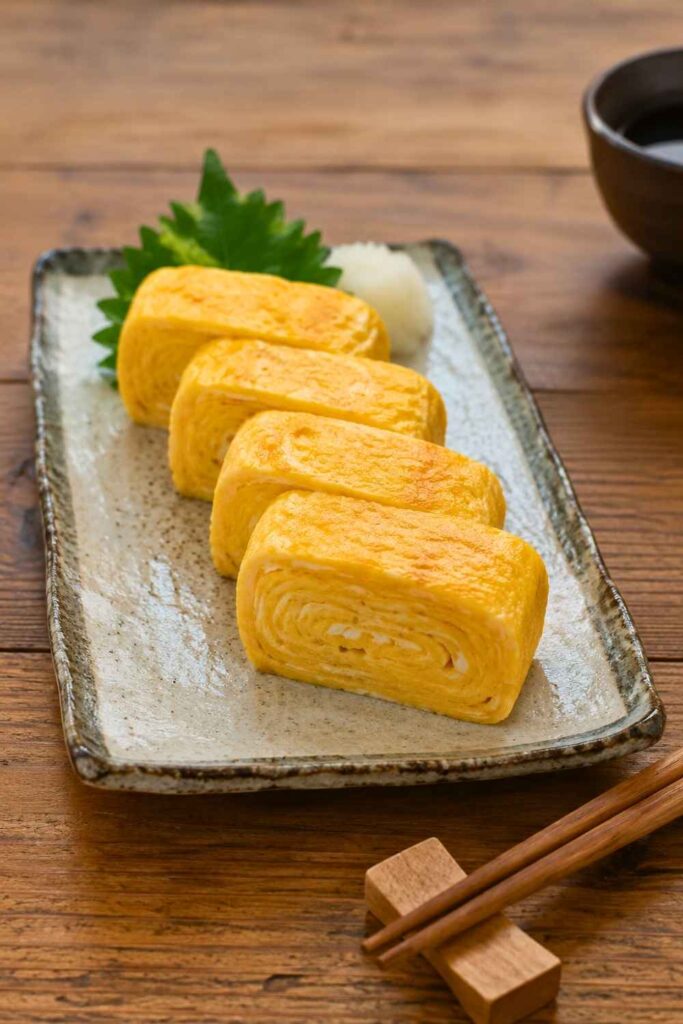
Tamagoyaki is a staple of the Japanese lunch box. This multi-layered rolled omelet is made by pouring thin layers of seasoned egg mixture into a rectangular pan, called a makiyakinabe, and rolling them up sequentially. The egg mixture is typically seasoned with dashi stock, soy sauce, mirin, and a touch of sugar. The presence of dashi gives the omelet a juicy, tender interior, while the sugar helps create beautiful golden edges. Once cooled, the log is sliced into thick cross-sections, revealing a beautiful spiral pattern that adds a bright yellow pop of color to the box.

Kinpira Gobo: Braised Burdock Root and Carrots
Kinpira gobo introduces a wonderful earthy flavor and crunchy texture to the meal. This dish consists of julienned burdock root and carrots stir-fried in sesame oil and then simmered in soy sauce, mirin, and sake until the liquid evaporates. A sprinkle of toasted sesame seeds and toasted chili flakes adds warmth and aromatic complexity. Burdock root is incredibly fibrous, making it a highly nutritious addition that retains its structural integrity perfectly over several hours.
Tsukemono: Japanese Pickles for Cleansing the Palate
No bento is complete without tsukemono, which are traditional Japanese pickles. These items cut through the richness of fried or glazed meats and cleanse the palate between different components of the meal. Common choices include Umeboshi, a salt-pickled plum that is traditionally placed in the exact center of a bed of white rice, symbolizing the Japanese flag. Other excellent options include Takuan, which are bright yellow pickled daikon radish slices, or Shibazuke, a chopped cucumber and eggplant pickle preserved with red shiso leaves, yielding a deep purple hue.
Ohitashi: Blanched Greens with Dashi infusion
To complete the green requirement of the color rule, Ohitashi is highly recommended. Usually made with fresh spinach or komatsuna, the greens are quickly blanched in boiling water, plunged into an ice bath to preserve their vivid green color, and then squeezed dry. The greens are then marinated in a light, savory mixture of dashi stock, light soy sauce, and mirin. Before packing, the liquid is pressed out carefully, and the greens are shaped into neat bundles, often garnished with a handful of dancing katsuobushi flaked bonito for extra umami.
Comprehensive Bento Preparation Guide
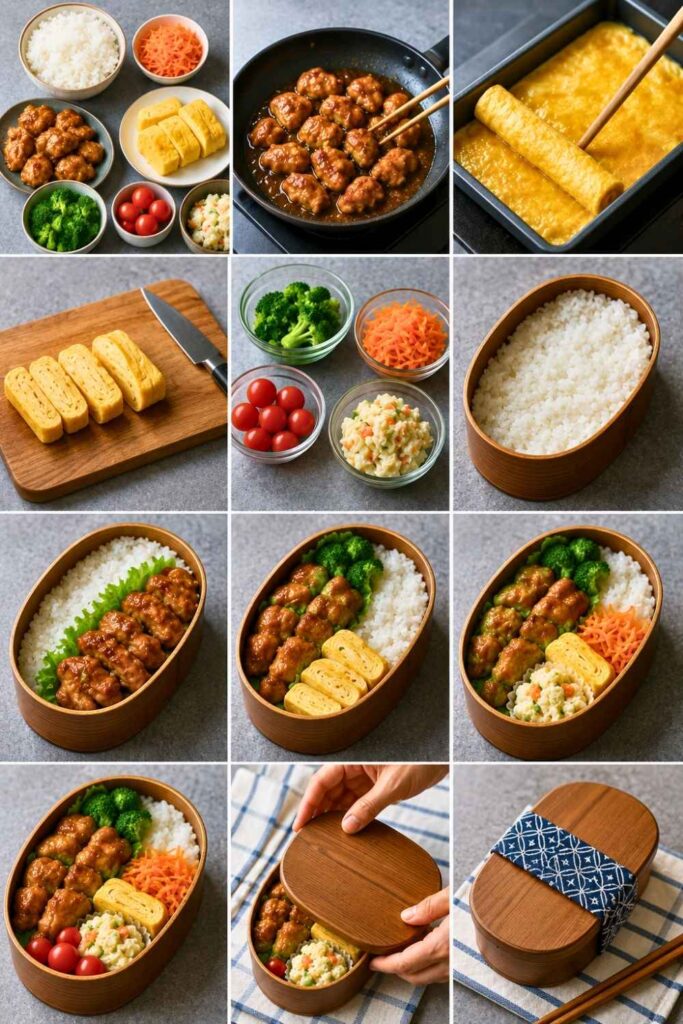
To help you organize your preparation efficiently, this comprehensive breakdown outlines the necessary quantities, cook times, and primary flavor profiles for each component of this deluxe bento box.
| Bento Element | Suggested Quantity | Preparation Time | Core Flavor Profile |
|---|---|---|---|
| Teriyaki Chicken | Two whole chicken thighs | Twenty-five minutes | Sweet, savory, deeply rich, umami-forward |
| Seasoned Sushi Rice | Two cups of cooked rice | Forty minutes | Tangy, mildly sweet, clean, aromatic |
| Hosomaki Sushi Rolls | Two full rolls cut into slices | Fifteen minutes | Crisp nori balanced with fresh or savory fillings |
| Tamagoyaki Omelet | Three large eggs seasoned | Ten minutes | Sweet, savory, custardy, delicate dashi undertones |
| Kinpira Gobo | Half cup of julienned mix | Twenty minutes | Earthy, sweet, nutty sesame, slight chili heat |
| Tsukemono Pickles | Two to three small pieces | Five minutes assembly | Sharp, salty, sour, refreshing palate cleanser |
| Ohitashi Spinach | One small bundle compressed | Ten minutes | Clean, vegetal, deeply savory dashi infusion |
The Art of Packing and Presentation
Packing a bento box requires a blend of artistic vision and structural engineering. The goal is to create a visually striking layout while ensuring that flavors do not bleed into one another unpleasantly, and that the food remains secure during transport.
Step-by-Step Packing Order
Always start by placing the structural foundations of the meal first. In this specific bento, the sushi rolls or any base rice should be arranged in one distinct section. If you are using a two-tier bento box, place the starch components entirely in the bottom tier and the proteins and vegetables in the top tier. For a single-tier box, create a clear dividing line using natural barriers.
Next, place the main protein, the Teriyaki Chicken, adjacent to the rice. Angle the sliced pieces slightly upward so that the beautiful glazed skin faces the diner. Once the heavy items are in position, insert the medium-sized side dishes, such as the blocks of Tamagoyaki and the bundles of Ohitashi spinach. These items should be packed tightly against the primary components to act as structural supports.
Finally, fill the remaining small gaps with the loose, texturally diverse items like Kinpira Gobo and Tsukemono pickles. Use decorative silicone cups, lettuce leaves, or small dividers to isolate wet items from dry items. This prevents the sushi rolls from absorbing moisture from the vegetables or chicken sauce, keeping the nori seaweed as crisp as possible.
Temperature and Food Safety Management
A beautiful bento can only be enjoyed if it is prepared safely. Food poisoning bacteria thrive in warm, moist environments, which can easily develop inside a sealed container. The absolute golden rule of bento making is to let all cooked items cool completely to room temperature before closing the lid. Putting a lid on hot food creates condensation, which drops back onto the ingredients, spoiling their textures and creating an ideal breeding ground for microbes.
When incorporating fresh sushi, extra caution is necessary. If your sushi contains cooked ingredients like tamagoyaki or cucumber, it will keep well at cool room temperatures for a few hours. If you choose to include raw fish, you must store the bento box inside an insulated lunch bag accompanied by frozen gel ice packs. Additionally, ensure all utensils, cutting boards, and the bento box itself are meticulously cleaned and dried before assembly.
Key Highlights
- Discover the rich cultural history and foundational philosophy behind the traditional Japanese bento box.
- Learn the precise methods for preparing classic Teriyaki Chicken with a perfectly balanced homemade glaze.
- Master the art of selecting and preparing fresh sushi suitable for portable lunch boxes.
- Explore essential Japanese side dishes like Tamagoyaki, Kinpira Gobo, and Tsukemono that bring color and nutrition.
- Understand the core design principles of color harmony, portion control, and food safety for packing the ultimate bento.
Final Words
Crafting an authentic Japanese bento box is a rewarding practice that transforms a simple daily meal into an expression of culinary art. By combining the rich, savory satisfaction of homemade Teriyaki Chicken with the bright, clean precision of fresh sushi and a colorful medley of traditional side dishes, you create a lunch that is structurally balanced, highly nutritious, and visually captivating. Embracing the rules of color, texture, and compact packing allows you to honor a timeless Japanese tradition while tailoring the flavors perfectly to your personal palate. With patience, practice, and mindful preparation, your homemade bento boxes will become a highlight of your daily routine.
Frequently Asked Questions
Can I prepare the components of the bento box the night before?
Yes, many components can be prepared ahead of time to save precious morning minutes. The Kinpira Gobo actually improves in flavor as it sits in the refrigerator overnight. You can also mix your teriyaki sauce ahead of time and wash the rice so it is ready to cook. However, for the best texture and safety, it is highly recommended to cook the chicken, roll the sushi, and roll the Tamagoyaki fresh on the morning of assembly, allowing them sufficient time to cool completely before packing.
What kind of container is best suited for packing this specific bento?
For a multi-component meal containing both sushi and a glazed protein like Teriyaki Chicken, a multi-compartment bento box or a traditional two-tier bento box is highly effective. Wood or bamboo boxes offer classic aesthetics and absorb excess moisture from rice beautifully, but modern BPA-free plastic or stainless steel boxes with airtight lids and removable dividers are far more practical for everyday use, especially when cleaning sauces and oils.
How can I prevent the Teriyaki Chicken sauce from ruining my sushi rolls?
Preventing flavor migration is essential for a high-quality bento. You can achieve this by ensuring the teriyaki sauce is reduced to a thick glaze that clings securely to the meat rather than remaining watery. Additionally, use physical barriers inside the container. Silicone baking cups, reusable plastic dividers, or natural barriers like sturdy green lettuce leaves or perilla leaves work wonderfully to isolate the chicken from the delicate sushi rolls.
Is it necessary to reheat the bento box before eating it?
Traditional Japanese bentos are specifically designed to be eaten at room temperature or chilled, and this specific menu is best enjoyed without reheating. Reheating a box containing fresh sushi rolls would ruin the texture of the nori, make the sushi rice unpleasantly warm, and wilt the fresh garnishes. The Teriyaki Chicken thigh meat is chosen precisely because its fat structure remains tender and flavorful even when cold.
What can I use as a substitute for burdock root in the Kinpira side dish?
If you cannot find fresh burdock root at your local Asian market, you can substitute it with a combination of parsnips and carrots, or simply use julienned carrots on their own. Another excellent alternative is to use lotus root, known as renkon, which provides a similarly delightful, crunchy texture when stir-fried and simmered in the same sweet and savory soy sauce glaze.