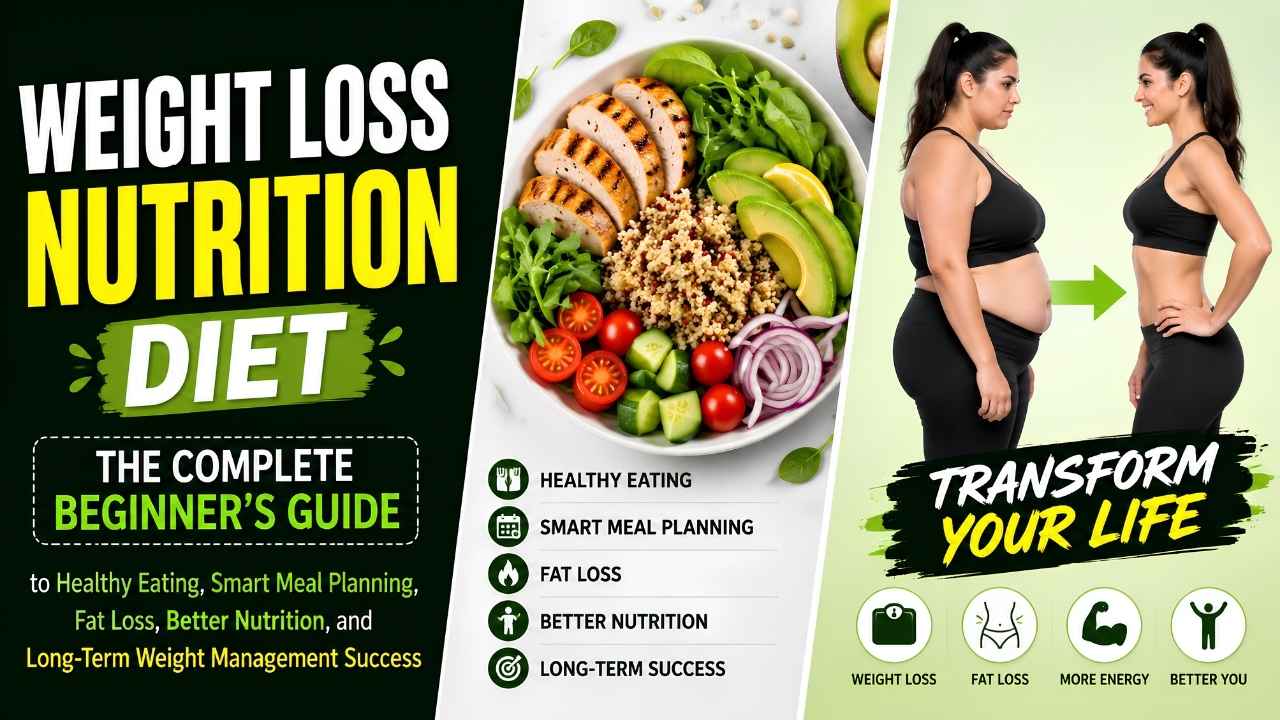
Weight Loss Nutrition Diet: Weight loss is one of the most common health goals worldwide. Many people start their weight-loss journey with enthusiasm but often struggle to maintain consistency due to confusing diet trends, unrealistic expectations, and misinformation. While countless diet plans promise rapid results, sustainable weight loss is built on a foundation of proper nutrition, balanced eating habits, and long-term lifestyle changes.
A healthy weight-loss nutrition diet is not about starving yourself, eliminating entire food groups, or following extreme restrictions. Instead, it focuses on providing the body with the nutrients it needs while creating a calorie deficit that encourages fat loss. When approached correctly, weight loss can improve energy levels, support heart health, enhance mental well-being, and reduce the risk of chronic diseases.
This beginner’s guide explains everything you need to know about healthy eating, meal planning, nutrition fundamentals, fat loss strategies, and sustainable weight management. Whether you are just starting your journey or looking for a healthier approach, this guide will help you make informed decisions and build habits that last.
Understanding Weight Loss and Nutrition
Before creating a diet plan, it is important to understand the relationship between nutrition and weight loss.
Weight loss occurs when the body burns more calories than it consumes. This state is known as a calorie deficit. However, not all calories are equal when it comes to nutrition and satiety.
A balanced diet should provide:
| Nutrient | Primary Function | Common Sources |
|---|---|---|
| Protein | Muscle maintenance and repair | Eggs, fish, chicken, beans, tofu |
| Carbohydrates | Main energy source | Whole grains, fruits, vegetables |
| Fats | Hormone production and energy | Nuts, seeds, avocado, olive oil |
| Vitamins | Support body functions | Fruits and vegetables |
| Minerals | Bone health and metabolism | Dairy, nuts, leafy greens |
| Water | Hydration and digestion | Water, fruits, vegetables |
Focusing solely on calorie reduction without proper nutrition may lead to nutrient deficiencies, fatigue, muscle loss, and poor long-term results.
Why Most Diets Fail
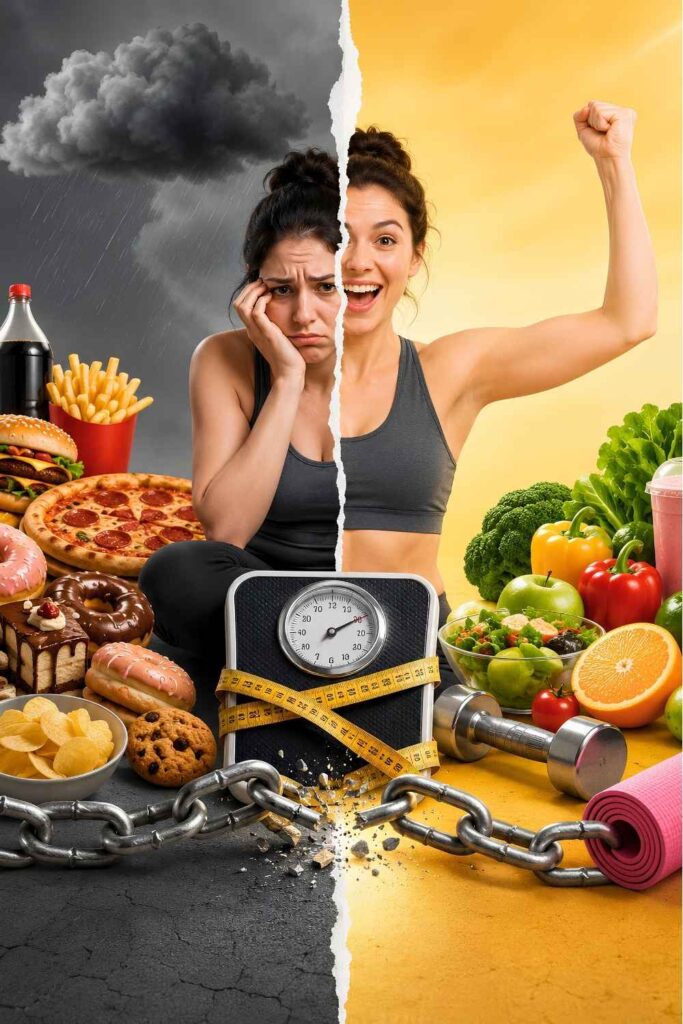
Many diets fail because they are too restrictive and difficult to maintain over time.

Common reasons include:
- Unrealistic calorie restrictions
- Eliminating favorite foods completely
- Lack of meal planning
- Emotional eating habits
- Poor sleep quality
- Inconsistent physical activity
- Dependence on short-term solutions
Successful weight management requires consistency rather than perfection. Small sustainable changes often deliver better results than extreme dieting methods.

The Science of Fat Loss
Fat loss is different from weight loss.
Weight loss may include:
- Fat loss
- Water loss
- Muscle loss
The primary goal should be reducing body fat while preserving lean muscle mass.
Factors influencing fat loss include:
- Calorie intake
- Protein consumption
- Exercise habits
- Sleep quality
- Stress levels
- Hormonal balance
Combining proper nutrition with strength training and regular physical activity helps maintain muscle while encouraging fat loss.
Understanding Calories
Calories represent the energy obtained from food.

Different macronutrients provide different calorie amounts:
| Macronutrient | Calories per Gram |
| Protein | 4 |
| Carbohydrates | 4 |
| Fat | 9 |
| Alcohol | 7 |
Although calories matter, food quality matters equally. A 300-calorie meal of vegetables, lean protein, and healthy fats provides significantly more nutrition than a 300-calorie processed snack.

The Importance of Protein for Weight Loss

Protein is often considered the most important nutrient for fat loss.
Benefits include:
- Increased satiety
- Reduced hunger cravings
- Muscle preservation
- Higher calorie burning during digestion
- Improved recovery after exercise
High-protein foods include:
| Food | Protein per 100g |
| Chicken Breast | 31g |
| Tuna | 29g |
| Eggs | 13g |
| Greek Yogurt | 10g |
| Lentils | 9g |
| Tofu | 8g |
Including protein in every meal can significantly improve appetite control.
Healthy Carbohydrates: Friend, Not Enemy
Carbohydrates often receive negative attention, but they play a crucial role in energy production.
Healthy carbohydrate sources include:
- Oats
- Brown rice
- Sweet potatoes
- Quinoa
- Fruits
- Vegetables
- Whole-grain bread
Refined carbohydrates such as sugary drinks, candies, and processed snacks should be limited.
Healthy Fats and Their Role
Healthy fats support many bodily functions.
Benefits include:
- Hormone production
- Brain health
- Nutrient absorption
- Long-lasting energy
Healthy fat sources include:
- Avocados
- Almonds
- Walnuts
- Chia seeds
- Flaxseeds
- Olive oil
- Fatty fish
Moderation remains important because fats are calorie-dense.
Building a Balanced Weight Loss Plate
An easy meal-planning strategy is the balanced plate method.
| Portion | Food Type |
| 50% | Vegetables |
| 25% | Lean Protein |
| 25% | Complex Carbohydrates |
Adding a small serving of healthy fats completes the meal.
This approach improves satiety and helps control calorie intake naturally.
Smart Meal Planning for Beginners
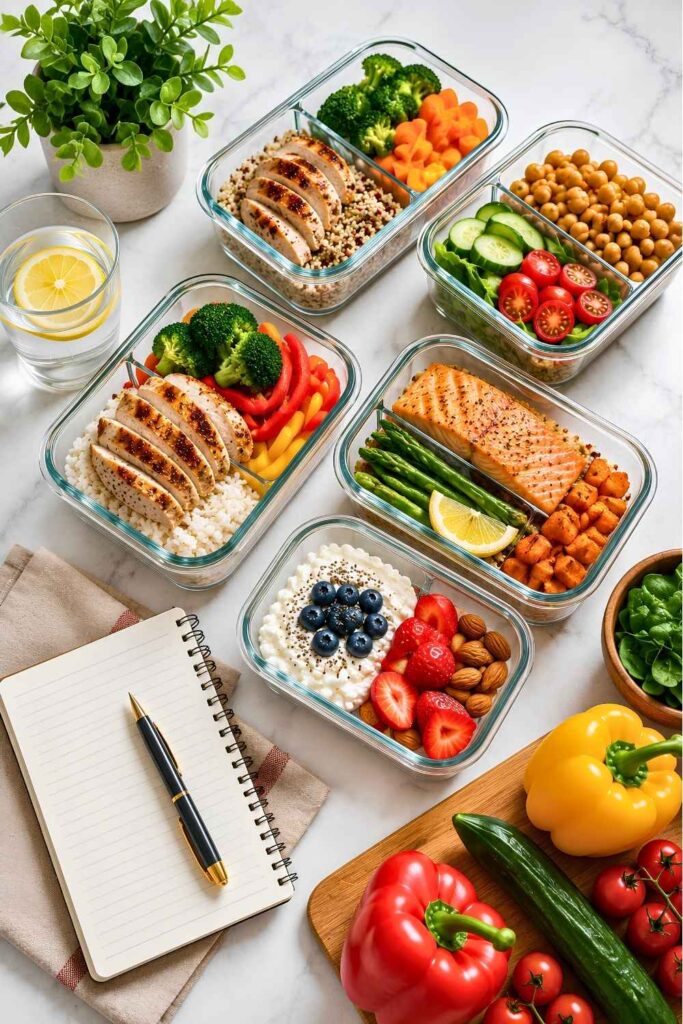
Meal planning reduces impulsive food choices and improves consistency.
Steps for meal planning:
- Plan meals for the week.
- Create a shopping list.
- Prep ingredients in advance.
- Store healthy snacks.
- Track progress regularly.
Sample weekly planning can save time and improve dietary adherence.
Sample Weight Loss Meal Plan
| Meal | Example |
| Breakfast | Oatmeal with berries and almonds |
| Snack | Greek yogurt |
| Lunch | Grilled chicken with vegetables and brown rice |
| Snack | Apple with peanut butter |
| Dinner | Salmon, sweet potato, and salad |
| Dessert | Fresh fruit |
This structure provides balanced nutrition throughout the day.
Portion Control Strategies
Portion sizes have increased dramatically over the years.
Practical portion-control tips:
- Use smaller plates
- Eat slowly
- Avoid eating directly from packages
- Drink water before meals
- Focus on hunger cues
Portion control allows flexibility without completely eliminating favorite foods.
The Role of Fiber in Weight Loss
Fiber supports digestive health and improves fullness.
High-fiber foods include:
| Food | Fiber Content |
| Oats | High |
| Beans | High |
| Lentils | High |
| Apples | Moderate |
| Broccoli | High |
| Chia Seeds | Very High |
Adults should aim for approximately 25–38 grams of fiber daily.
Hydration and Weight Management
Water plays a critical role in overall health and weight control.
Benefits include:
- Better digestion
- Reduced hunger signals
- Improved exercise performance
- Enhanced metabolism
Many people mistake thirst for hunger, leading to unnecessary calorie consumption.
Managing Hunger and Cravings
Cravings are a normal part of dieting.
Strategies include:
- Increasing protein intake
- Staying hydrated
- Managing stress
- Getting adequate sleep
- Allowing occasional treats
Completely restricting favorite foods often increases cravings and binge eating.
Understanding Emotional Eating
Emotional eating occurs when food is used to cope with feelings rather than hunger.
Common triggers include:
- Stress
- Anxiety
- Boredom
- Loneliness
- Frustration
Keeping a food journal can help identify emotional eating patterns.
The Importance of Sleep
Sleep directly affects weight management.
Poor sleep can:
- Increase hunger hormones
- Reduce satiety hormones
- Increase cravings
- Lower energy levels
Most adults benefit from 7–9 hours of quality sleep each night.
Exercise and Weight Loss Nutrition

Nutrition and exercise work together.
Effective exercise options include:
| Activity | Benefits |
| Walking | Burns calories |
| Running | Improves cardiovascular fitness |
| Strength Training | Preserves muscle |
| Cycling | Increases endurance |
| Swimming | Full-body workout |
Exercise enhances overall health and supports fat-loss efforts.
Strength Training for Better Fat Loss
Many beginners focus only on cardio.
Strength training offers unique benefits:
- Maintains muscle mass
- Improves metabolism
- Enhances body composition
- Increases strength
At least two to three strength-training sessions weekly can significantly improve results.
Common Weight Loss Mistakes
Avoid these mistakes:
- Skipping meals
- Eating too little
- Ignoring protein
- Following fad diets
- Drinking sugary beverages
- Expecting immediate results
Long-term consistency always beats short-term perfection.
Reading Food Labels
Food labels help consumers make informed decisions.
Check:
- Serving size
- Calories
- Added sugars
- Protein content
- Fiber content
- Saturated fats
Learning label-reading skills improves nutritional awareness.
Healthy Snacking Ideas
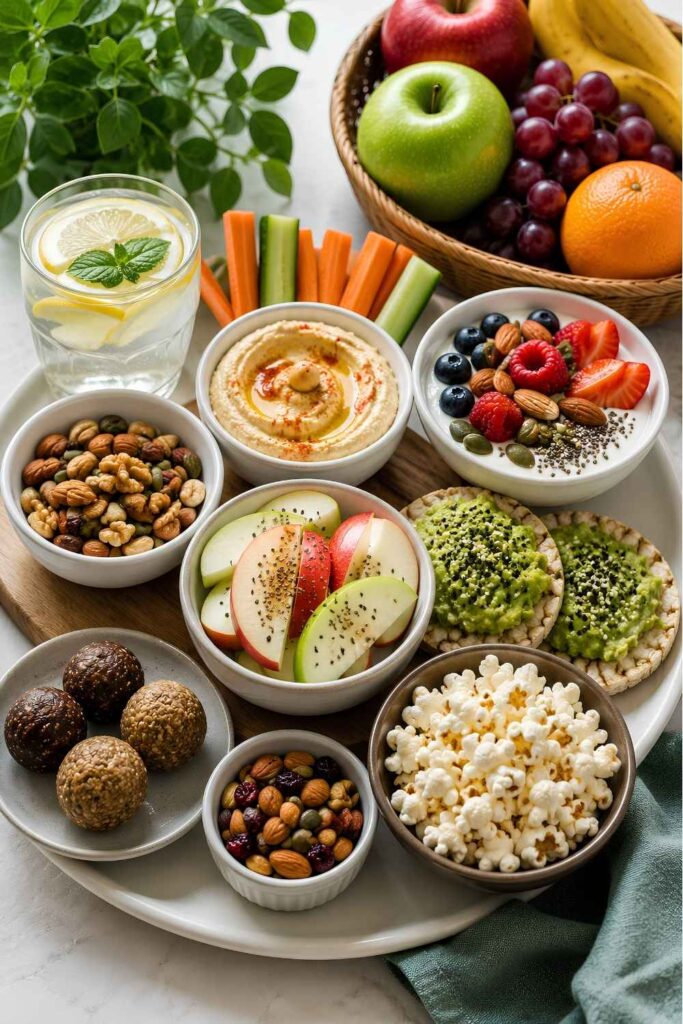
Nutritious snacks help manage hunger.
Examples include:
- Greek yogurt
- Mixed nuts
- Cottage cheese
- Boiled eggs
- Fruit
- Hummus with vegetables
Choosing nutrient-dense snacks prevents overeating during main meals.
Sustainable Weight Management
Maintaining weight loss is often more challenging than losing weight.
Successful long-term strategies include:
- Regular physical activity
- Consistent eating habits
- Monitoring progress
- Managing stress
- Maintaining healthy sleep patterns
Sustainability should always be prioritized over rapid results.
Key Highlights
- Weight loss depends on creating a sustainable calorie deficit.
- Protein is essential for satiety and muscle preservation.
- Healthy carbohydrates provide energy and should not be feared.
- Healthy fats support hormone function and overall health.
- Meal planning improves consistency and dietary adherence.
- Fiber supports digestion and appetite control.
- Hydration plays a major role in successful weight management.
- Sleep quality significantly affects hunger and cravings.
- Strength training helps preserve muscle during fat loss.
- Long-term success comes from sustainable lifestyle habits.
FAQs
How much weight can I safely lose per week?
Most health experts recommend losing approximately 0.5 to 1 kilogram (1–2 pounds) per week for sustainable and healthy results.
Is it necessary to count calories?
Not always. Many people achieve success through portion control, mindful eating, and balanced meal planning without strict calorie tracking.
What is the best diet for weight loss?
The best diet is one that provides balanced nutrition, creates a moderate calorie deficit, and can be maintained long term.
Should I avoid carbohydrates completely?
No. Healthy carbohydrates provide energy and important nutrients. Focus on whole-food sources rather than refined carbohydrates.
Can I eat snacks while losing weight?
Yes. Healthy snacks can help manage hunger and support nutritional goals.
How much protein should I consume?
Protein needs vary, but many active individuals benefit from approximately 1.2–2.0 grams of protein per kilogram of body weight.
Does drinking water help with weight loss?
Water supports hydration, appetite regulation, digestion, and overall health, making it an important part of any weight-loss plan.
Is exercise required for weight loss?
Weight loss can occur through nutrition alone, but combining proper nutrition with exercise generally leads to better health and body composition outcomes.
Why do weight-loss plateaus happen?
Plateaus can occur due to metabolic adaptations, reduced calorie needs, inconsistent tracking, or changes in activity levels.
How can I maintain weight loss permanently?
Focus on sustainable habits, balanced nutrition, regular exercise, quality sleep, and consistent lifestyle choices rather than temporary dieting methods.
Final Words
Weight loss is not about perfection, deprivation, or following the latest diet trend. It is about developing healthy habits that support your body and fit your lifestyle. A balanced nutrition plan built around whole foods, adequate protein, healthy fats, complex carbohydrates, hydration, and consistent physical activity creates a strong foundation for long-term success.
Remember that sustainable progress takes time. Small improvements repeated daily often produce greater results than extreme changes that cannot be maintained. By focusing on nutrition, meal planning, portion control, and healthy lifestyle habits, you can achieve meaningful fat loss while improving overall health and well-being for years to come.