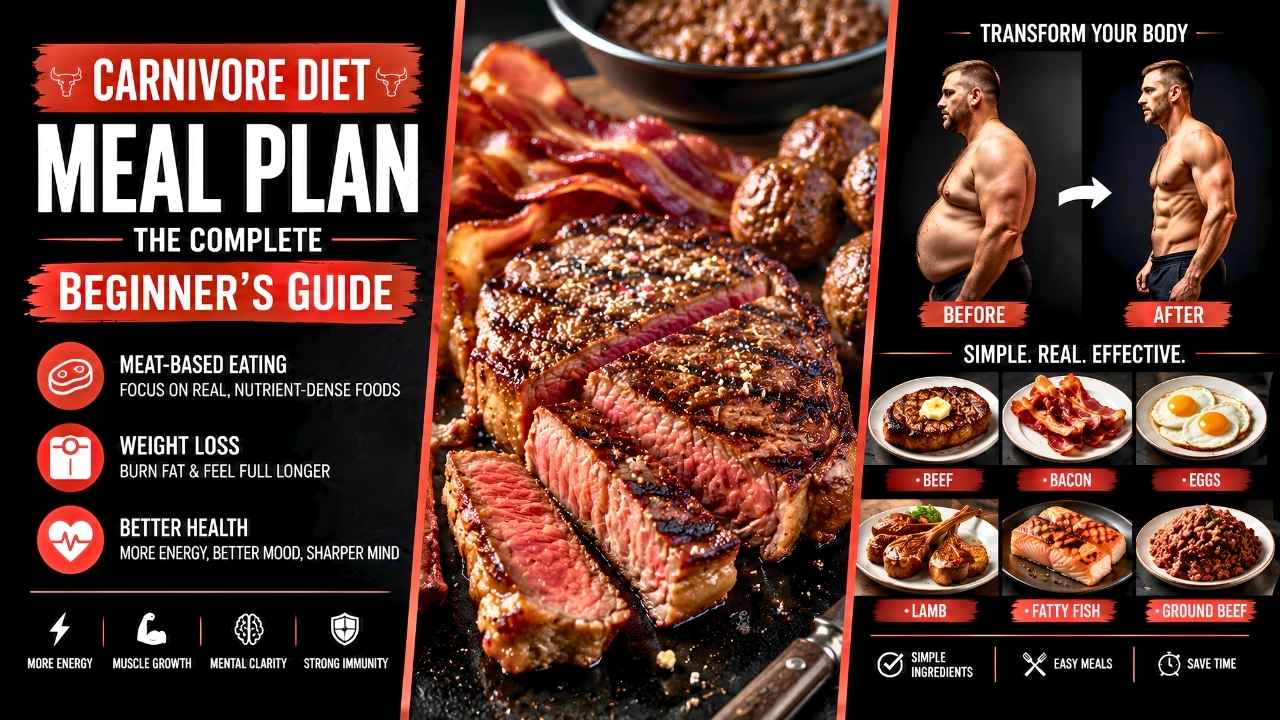
Carnivore Diet Meal Plan: The carnivore diet has become one of the most talked-about eating plans in recent years. Unlike traditional diets that encourage a variety of food groups, the carnivore diet focuses almost entirely on animal-based foods. Supporters of this eating style claim it can help with weight loss, improved energy levels, better mental clarity, and simplified meal planning.
While the carnivore diet may seem extreme compared to conventional nutrition guidelines, many people are drawn to its straightforward approach. Instead of counting calories, tracking complex macronutrients, or following complicated meal plans, followers of the carnivore diet primarily consume meat, fish, eggs, and certain animal-derived products.

For beginners, understanding how to properly follow a carnivore diet is important. Choosing the right foods, creating balanced meals, staying hydrated, and understanding potential benefits and challenges can make the transition smoother and more sustainable.
This comprehensive guide explores everything you need to know about the carnivore diet meal plan, including food choices, meal ideas, weight-loss strategies, shopping tips, and practical advice for long-term success.
What Is the Carnivore Diet?
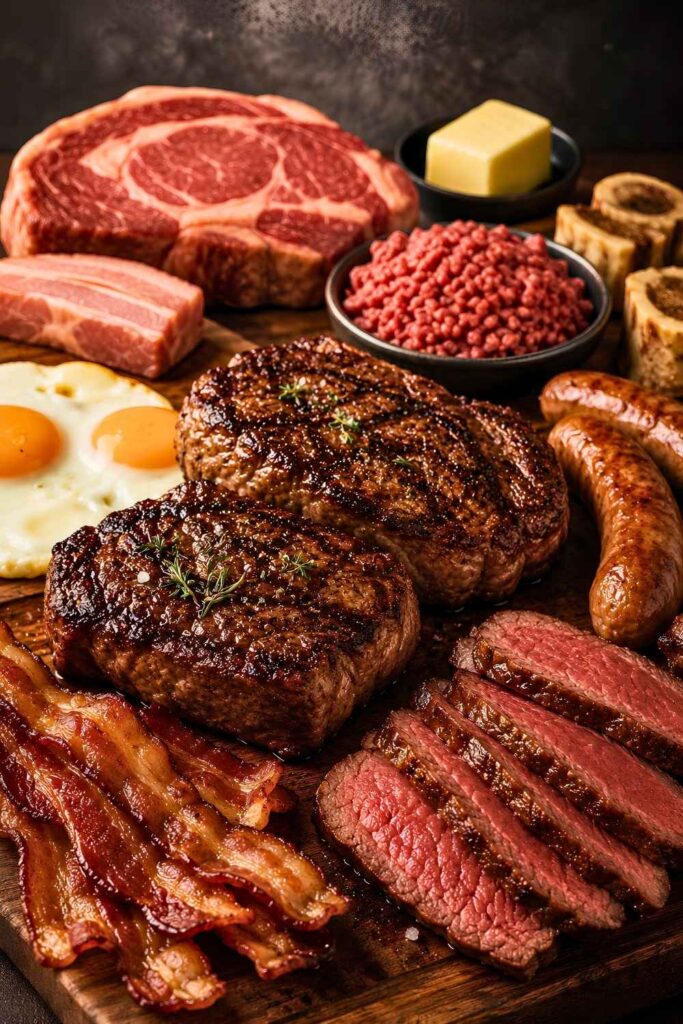
The carnivore diet is an animal-based eating plan that focuses exclusively or primarily on foods derived from animals.
Unlike many popular diets, the carnivore diet eliminates:

- Fruits
- Vegetables
- Legumes
- Grains
- Nuts
- Seeds
- Most processed foods
Instead, followers consume foods such as:
- Beef
- Chicken
- Pork
- Lamb
- Fish
- Seafood
- Eggs
- Animal fats
- Certain dairy products
The basic philosophy behind the carnivore diet is that animal foods provide essential nutrients while eliminating foods some individuals believe may contribute to digestive issues or inflammation.

How the Carnivore Diet Works
The carnivore diet naturally reduces carbohydrate intake because animal foods contain little to no carbohydrates.
As carbohydrate intake decreases, the body begins relying more heavily on fat as its primary fuel source.

This metabolic shift may contribute to:
- Reduced hunger
- Stable energy levels
- Improved satiety
- Easier calorie control
- Potential fat loss
Because meat and other animal foods are rich in protein, many people feel full for longer periods, which may reduce overall food intake.

Types of Carnivore Diet Approaches

Not everyone follows the carnivore diet in the same way.
Several variations exist.

| Type | Description |
|---|---|
| Strict Carnivore | Only animal foods and water |
| Standard Carnivore | Meat, fish, eggs, dairy |
| Animal-Based | Primarily animal foods with limited fruit |
| Keto-Carnivore | Animal foods with very low-carb additions |
| Nose-to-Tail Carnivore | Includes organ meats and various animal parts |
Beginners often start with the standard version because it offers more variety and flexibility.
Potential Benefits of the Carnivore Diet
Many people report positive experiences after switching to a carnivore diet.

Potential benefits may include:
Weight Loss
Protein-rich foods increase fullness and can reduce overall calorie intake naturally.

Reduced Hunger
High-protein meals often help control appetite more effectively than high-carbohydrate meals.
Simpler Meal Planning
The carnivore diet removes many food decisions, making meal preparation straightforward.

Stable Blood Sugar Levels
Because carbohydrate intake is extremely low, blood sugar fluctuations may become less frequent.
Increased Protein Intake
Adequate protein supports muscle maintenance, especially during weight-loss efforts.
Individual results can vary depending on lifestyle, health conditions, and food choices.
Nutritional Profile of Common Carnivore Foods
The carnivore diet relies heavily on nutrient-dense animal foods.
| Food | Protein | Fat | Key Nutrients |
| Beef | High | Moderate | Iron, Zinc, B Vitamins |
| Chicken | High | Low to Moderate | Protein, Niacin |
| Salmon | High | High | Omega-3 Fatty Acids |
| Eggs | Moderate | Moderate | Choline, Vitamin D |
| Lamb | High | High | Iron, Zinc |
| Sardines | High | Moderate | Calcium, Omega-3s |
Choosing a variety of animal foods may help improve nutrient diversity.
Foods to Eat on a Carnivore Diet
Building meals becomes easier when you understand approved foods.
Meat
- Beef steaks
- Ground beef
- Ribeye
- Sirloin
- Brisket
- Lamb chops
- Pork chops
- Bacon
Poultry
- Chicken breast
- Chicken thighs
- Turkey
- Duck
Seafood
- Salmon
- Tuna
- Shrimp
- Sardines
- Mackerel
- Cod
Eggs
Eggs are a staple food for many carnivore followers because they are versatile and nutrient-rich.
Animal Fats
- Beef tallow
- Butter
- Ghee
- Animal drippings
Dairy Products
Some carnivore followers include:
- Cheese
- Heavy cream
- Butter
Others avoid dairy entirely.
Foods to Avoid on a Carnivore Diet
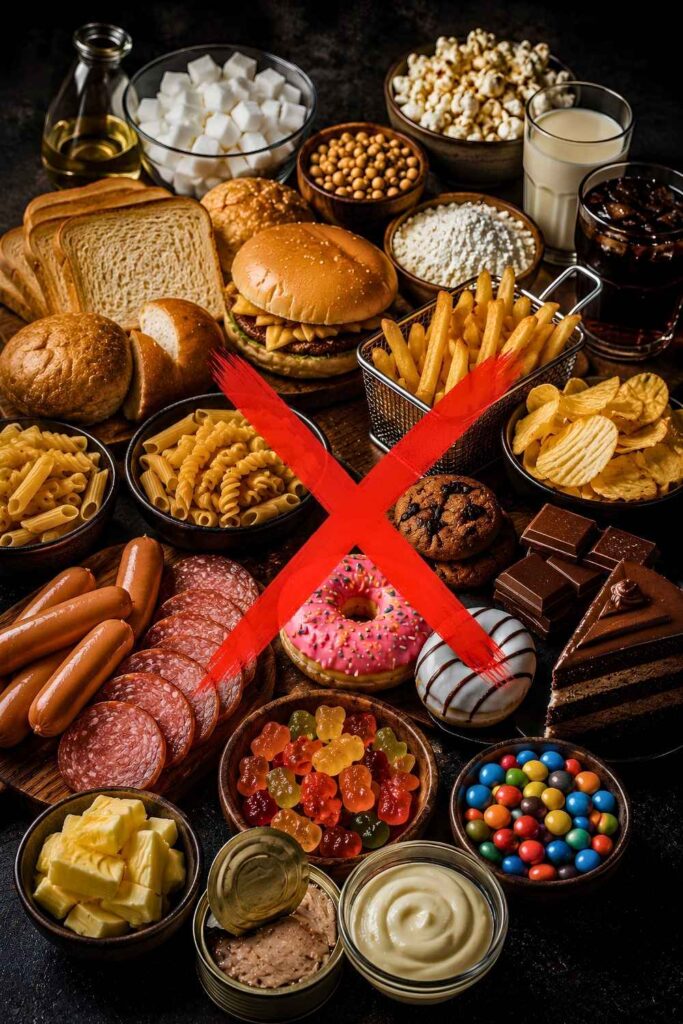
The carnivore diet excludes all plant foods.
Foods typically avoided include:
- Bread
- Pasta
- Rice
- Oats
- Fruits
- Vegetables
- Beans
- Lentils
- Nuts
- Seeds
- Sugary drinks
- Processed snacks
Many followers also avoid highly processed meats containing added sugars and fillers.
Creating a Successful Carnivore Diet Meal Plan
A successful meal plan focuses on:
- Adequate protein intake
- Sufficient healthy fats
- Proper hydration
- Meal consistency
Rather than eating constantly throughout the day, many carnivore followers naturally gravitate toward two or three satisfying meals daily.
Beginner Carnivore Diet Meal Plan
Breakfast
| Option | Meal |
| Option 1 | Scrambled eggs with bacon |
| Option 2 | Steak and eggs |
| Option 3 | Ground beef with eggs |
Lunch
| Option | Meal |
| Option 1 | Grilled chicken thighs |
| Option 2 | Beef burger patties |
| Option 3 | Salmon fillets |
Dinner
| Option | Meal |
| Option 1 | Ribeye steak |
| Option 2 | Lamb chops |
| Option 3 | Pork chops with butter |
7-Day Carnivore Diet Meal Plan
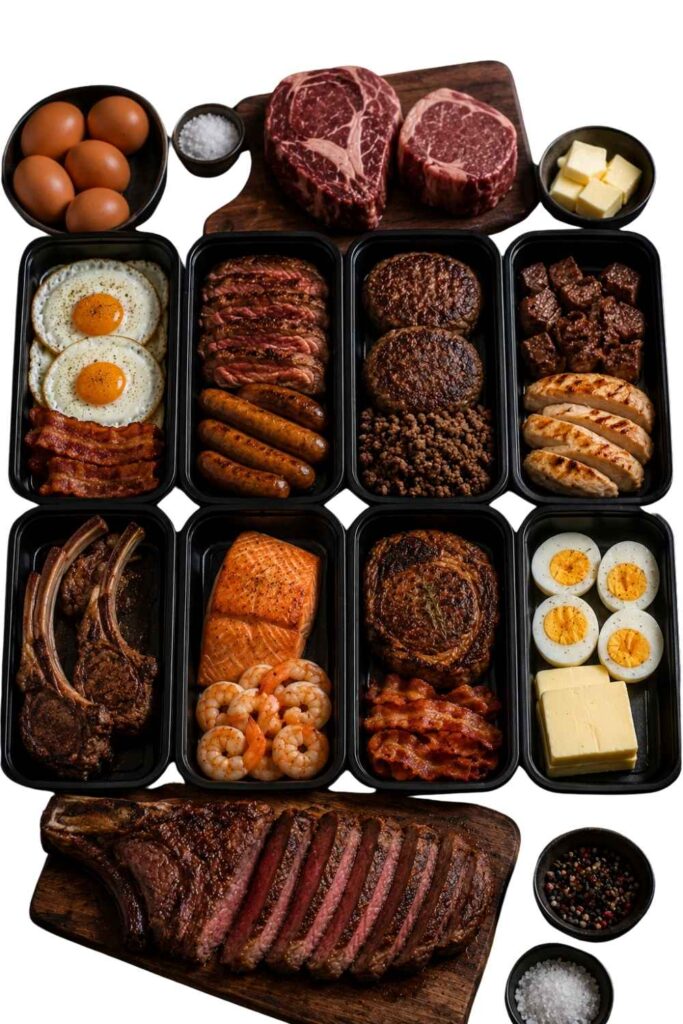
Day 1
Breakfast: Eggs and bacon
Lunch: Grilled chicken thighs
Dinner: Ribeye steak
Day 2
Breakfast: Steak and eggs
Lunch: Ground beef patties
Dinner: Salmon with butter
Day 3
Breakfast: Omelet with cheese
Lunch: Turkey burgers
Dinner: Pork chops
Day 4
Breakfast: Scrambled eggs
Lunch: Beef patties
Dinner: Lamb chops
Day 5
Breakfast: Steak and eggs
Lunch: Tuna steaks
Dinner: Ribeye steak
Day 6
Breakfast: Bacon and eggs
Lunch: Chicken wings
Dinner: Ground beef bowl
Day 7
Breakfast: Eggs and sausage
Lunch: Salmon fillet
Dinner: New York strip steak
Weight Loss on the Carnivore Diet
Weight loss often occurs because:
- Protein increases fullness
- Food choices become limited
- Processed foods are eliminated
- Appetite naturally decreases
However, weight loss is still influenced by overall calorie intake and activity levels.
Not everyone loses weight at the same rate.
Protein Requirements
Protein is the foundation of the carnivore diet.
Benefits include:
- Muscle preservation
- Improved recovery
- Increased satiety
- Better body composition
Many carnivore followers prioritize protein-rich foods at every meal.
Healthy Fat Intake
Fat provides energy on a carnivore diet.
Common fat sources include:
- Ribeye steak
- Butter
- Tallow
- Fatty fish
- Lamb
Balancing protein and fat intake can help improve satisfaction and energy levels.
Hydration and Electrolytes
Hydration becomes especially important on low-carbohydrate diets.
Many beginners experience increased water loss during the adaptation phase.
Important electrolytes include:
- Sodium
- Potassium
- Magnesium
Drinking adequate water throughout the day supports overall well-being.
Common Beginner Challenges
Some people experience temporary adjustment symptoms.
These may include:
- Fatigue
- Headaches
- Cravings
- Digestive changes
These effects often improve as the body adapts to the dietary change.
Carnivore Diet Grocery List
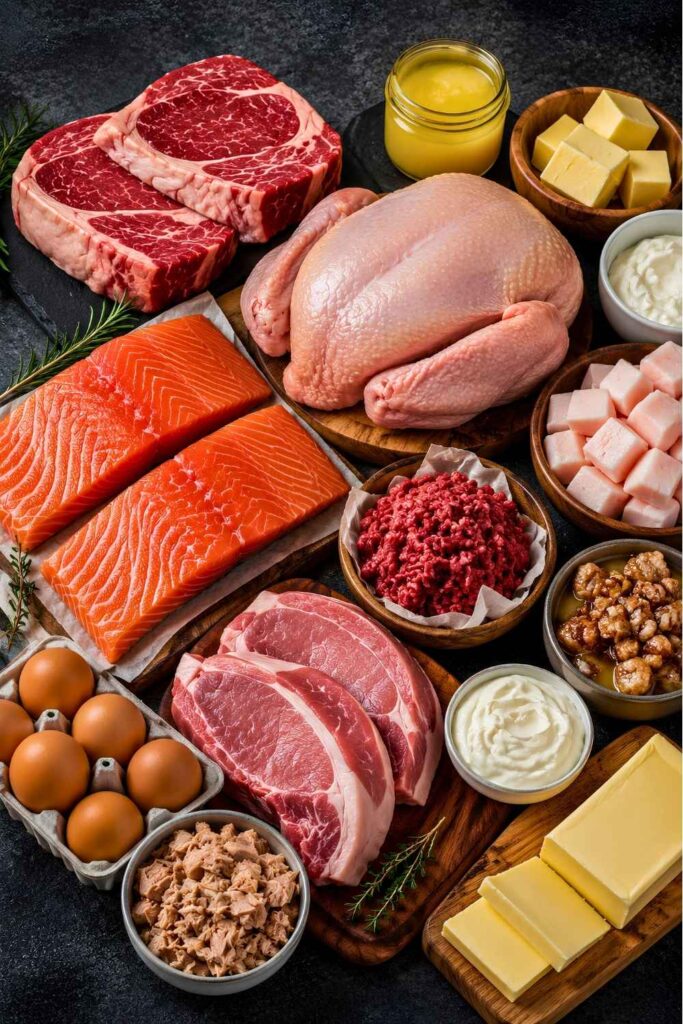
| Protein Sources | Fat Sources |
| Beef | Butter |
| Chicken | Ghee |
| Pork | Tallow |
| Salmon | Beef Fat |
| Tuna | Animal Drippings |
| Eggs | Heavy Cream |
Shopping becomes relatively simple compared to many traditional diets.
Meal Prep Tips
Successful meal preparation includes:
- Buying meat in bulk
- Cooking multiple portions at once
- Storing meals properly
- Keeping frozen protein options available
Meal prep can save both time and money.
Dining Out on a Carnivore Diet
Restaurant options often include:
- Steak
- Burgers without buns
- Grilled fish
- Chicken breast
- Eggs
Requesting simple preparations can make dining out easier.
Key Highlights
- The carnivore diet focuses primarily on animal-based foods.
- Meat, fish, eggs, and animal fats form the foundation of the diet.
- Many people use the carnivore diet for weight loss and appetite control.
- High protein intake supports muscle maintenance and satiety.
- Meal planning is often simpler compared to traditional diets.
- Hydration and electrolyte balance remain important.
- A variety of animal foods can improve nutrient intake.
- Beginners should prioritize consistency rather than perfection.
- Weight-loss results vary between individuals.
- Long-term success depends on sustainable eating habits.
FAQs
What is the carnivore diet?
The carnivore diet is an eating plan that focuses primarily on animal-based foods such as meat, fish, eggs, and certain dairy products.
Can I lose weight on a carnivore diet?
Many people experience weight loss due to increased protein intake, reduced appetite, and elimination of processed foods.
Can I drink coffee on a carnivore diet?
Some followers include coffee, while strict carnivore followers avoid all plant-derived beverages.
Is dairy allowed?
Some versions of the carnivore diet include dairy products like cheese and butter, while others exclude them.
How many meals should I eat daily?
Most people consume two or three meals daily, depending on hunger and personal preference.
Are eggs allowed on a carnivore diet?
Yes. Eggs are one of the most popular foods on the carnivore diet because they are nutritious and versatile.
What foods are not allowed?
Fruits, vegetables, grains, legumes, nuts, seeds, and most processed foods are typically excluded.
Is the carnivore diet suitable for beginners?
Many beginners find the diet easy to follow because of its simple food choices and meal structure.
Final Words
The carnivore diet offers a unique approach to eating by focusing almost entirely on animal-based foods. For many people, its simplicity, high protein content, and appetite-controlling effects make it an attractive option for weight loss and improved dietary consistency.
Success on the carnivore diet depends on choosing quality animal foods, maintaining proper hydration, paying attention to nutrient intake, and developing sustainable habits. While this eating style may not be suitable for everyone, understanding the fundamentals can help beginners make informed decisions and create a meal plan that aligns with their personal health and wellness goals.