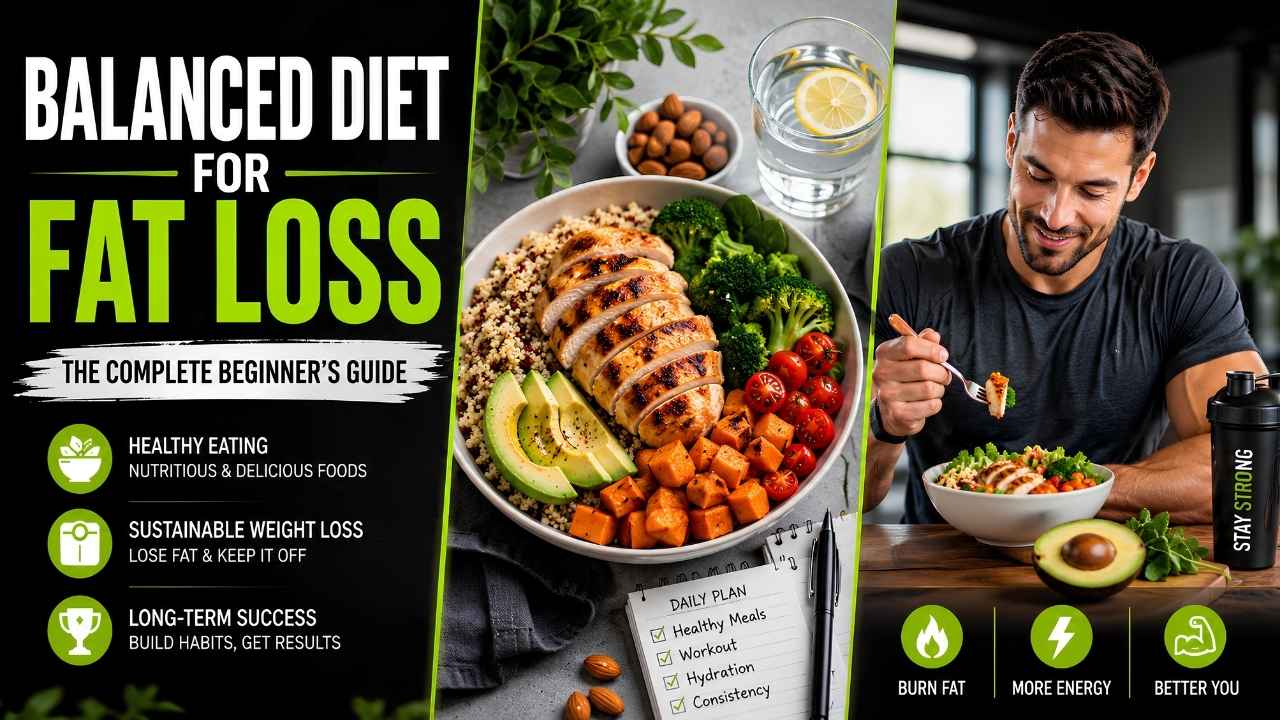
Balanced Diet for Fat Loss: Losing body fat is one of the most common health goals among adults, yet many people struggle to find an approach that delivers lasting results. Fad diets, extreme calorie restrictions, and quick-fix weight-loss programs often promise dramatic transformations but rarely provide sustainable success. The truth is that healthy fat loss does not require starving yourself, eliminating entire food groups, or following complicated nutrition rules.
A balanced diet remains one of the most effective and sustainable ways to lose body fat while maintaining overall health. Unlike restrictive eating plans, a balanced diet provides your body with the nutrients it needs to function properly while creating the right environment for gradual and healthy fat loss.
This complete beginner’s guide explores everything you need to know about building a balanced diet for fat loss. From understanding calories and macronutrients to meal planning, portion control, healthy food choices, and long-term weight management strategies, this guide will help you create habits that support your goals for years to come.
What Is a Balanced Diet?
A balanced diet is an eating pattern that supplies the body with essential nutrients in the right proportions. It includes a variety of foods from different food groups, ensuring that the body receives adequate protein, carbohydrates, healthy fats, vitamins, minerals, and fiber.
Rather than focusing on restriction, a balanced diet emphasizes moderation and variety. It allows you to enjoy different foods while meeting your nutritional requirements.
The main components of a balanced diet include:
| Nutrient | Function | Common Food Sources |
|---|---|---|
| Protein | Muscle maintenance and repair | Chicken, fish, eggs, beans, tofu |
| Carbohydrates | Energy production | Whole grains, fruits, vegetables |
| Healthy Fats | Hormone support and energy | Nuts, seeds, avocados, olive oil |
| Vitamins | Immune and metabolic functions | Fruits and vegetables |
| Minerals | Bone and organ health | Dairy, nuts, leafy greens |
| Fiber | Digestion and fullness | Whole grains, legumes, vegetables |
| Water | Hydration and body functions | Water, fruits, vegetables |
A balanced diet supports overall health while helping create the calorie deficit necessary for fat loss.
Understanding Fat Loss vs. Weight Loss
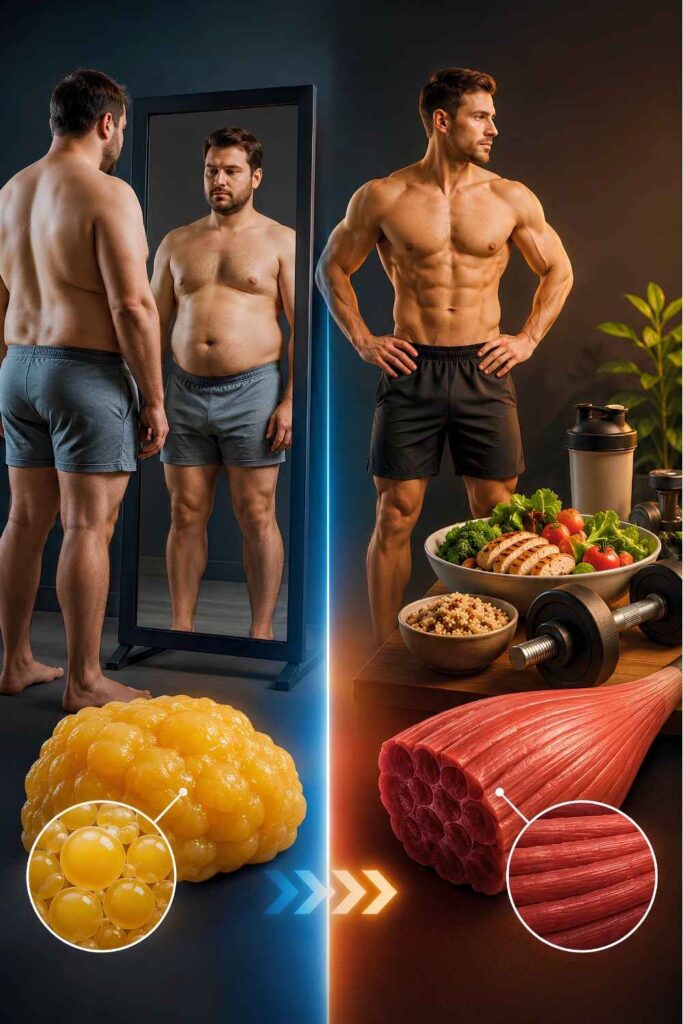
Many people use the terms weight loss and fat loss interchangeably, but they are not the same.

Weight loss refers to a decrease in overall body weight, which may include:
- Body fat
- Muscle mass
- Water weight
Fat loss specifically refers to reducing stored body fat while preserving lean muscle tissue.

Fat loss is generally considered the healthier and more desirable goal because maintaining muscle mass supports metabolism, strength, and overall health.
A balanced diet combined with regular exercise helps maximize fat loss while minimizing muscle loss.
Why Most Diets Fail
Many weight-loss programs fail because they focus on short-term results rather than long-term habits.
Common reasons include:
- Severe calorie restriction
- Unrealistic expectations
- Lack of flexibility
- Poor meal planning
- Emotional eating
- Unsustainable food rules
When people feel deprived, they often return to old eating habits, leading to weight regain.
A balanced diet is easier to maintain because it allows flexibility while promoting healthy food choices.
The Science Behind Fat Loss
Fat loss occurs when the body uses more energy than it receives from food.
This process creates a calorie deficit.

The body stores excess calories as fat. When calorie intake falls below energy expenditure, stored fat is used as fuel.
The basic fat-loss equation is:
Calories Consumed < Calories Burned
However, successful fat loss is about more than simply eating less.
Factors that influence fat loss include:
- Food quality
- Protein intake
- Sleep quality
- Physical activity
- Stress levels
- Hormonal balance
A balanced approach addresses all of these factors rather than focusing solely on calorie reduction.
Calories and Energy Balance
Calories measure the amount of energy provided by food.
Every food contains calories from one or more macronutrients.
| Macronutrient | Calories Per Gram |
| Protein | 4 |
| Carbohydrates | 4 |
| Fat | 9 |
Understanding calorie balance helps you make informed food choices.
Although calorie intake is important, choosing nutrient-dense foods can make maintaining a calorie deficit much easier because these foods tend to be more filling and satisfying.
Why Protein Matters for Fat Loss
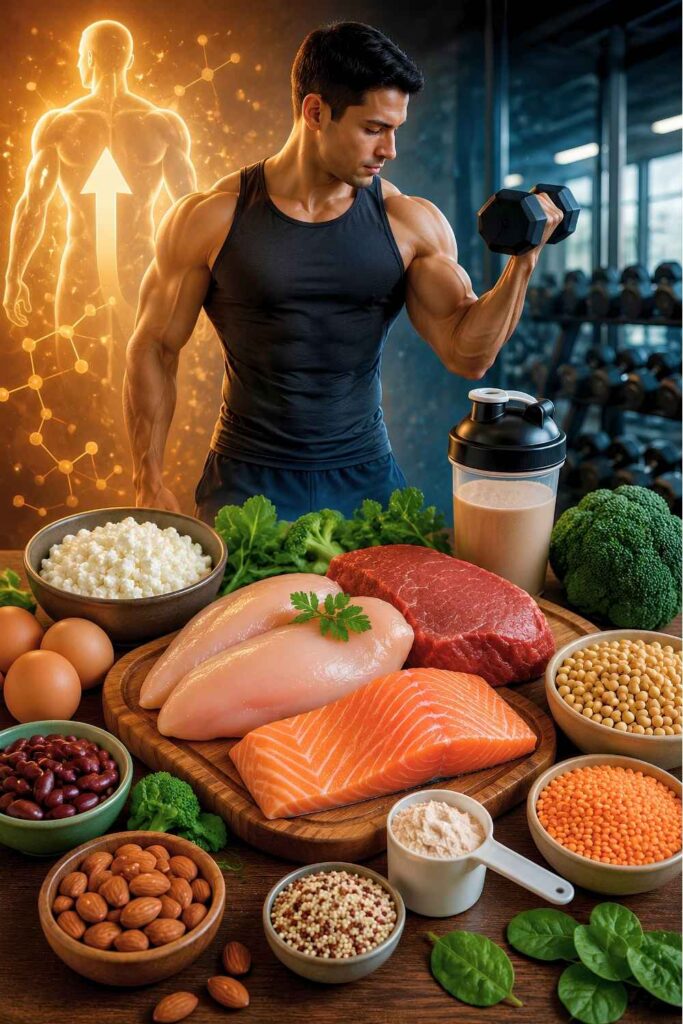
Protein is often considered the most important nutrient during a fat-loss phase.
Protein provides several benefits:
- Increases fullness
- Helps preserve muscle mass
- Supports recovery from exercise
- Reduces hunger cravings
- Boosts calorie burning during digestion
High-protein foods include:
| Food | Protein Per 100g |
| Chicken Breast | 31g |
| Tuna | 29g |
| Lean Beef | 26g |
| Eggs | 13g |
| Greek Yogurt | 10g |
| Lentils | 9g |
| Tofu | 8g |
Including protein in every meal can improve appetite control and support healthy body composition.
The Role of Carbohydrates in Fat Loss
Carbohydrates are often misunderstood.
Many people believe they must eliminate carbs to lose fat, but healthy carbohydrates play a vital role in energy production and overall health.
Healthy carbohydrate sources include:
- Brown rice
- Oats
- Sweet potatoes
- Quinoa
- Fruits
- Vegetables
- Whole-grain bread
These foods provide essential nutrients and fiber that support fat-loss goals.
Refined carbohydrates such as sugary drinks, pastries, and candy should be consumed in moderation.
Healthy Fats Support Weight Loss
Healthy fats are essential for hormone production, nutrient absorption, and brain function.
Good sources include:
- Avocados
- Almonds
- Walnuts
- Chia seeds
- Flaxseeds
- Olive oil
- Salmon
While healthy fats are beneficial, portion control remains important because fat contains more calories per gram than protein or carbohydrates.
The Importance of Fiber
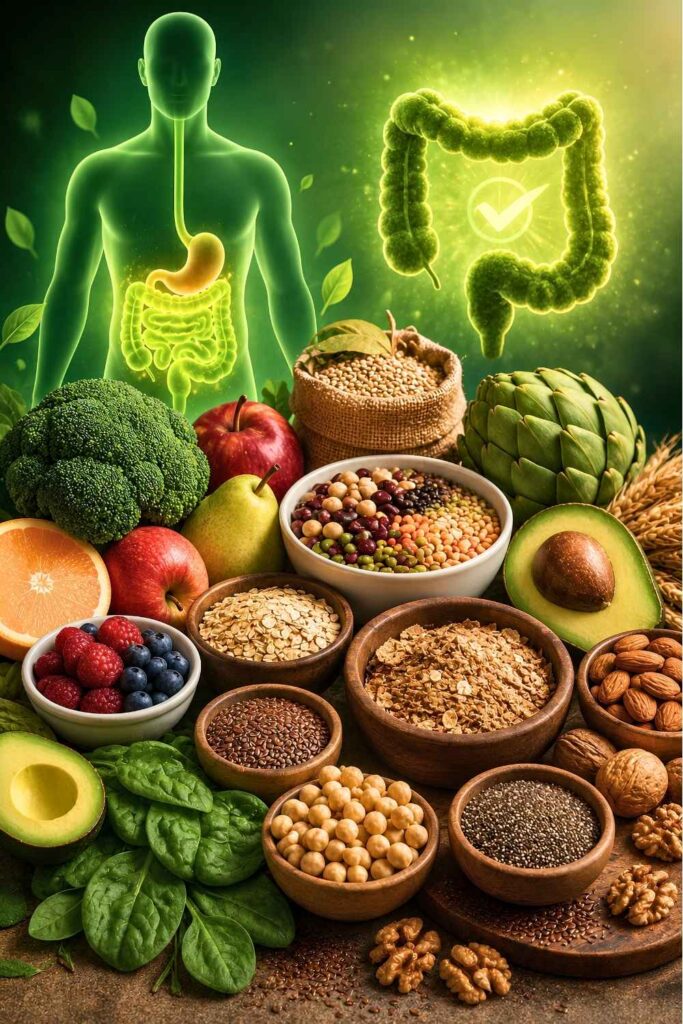
Fiber is one of the most overlooked nutrients for fat loss.
Benefits of fiber include:
- Improved digestion
- Increased fullness
- Better blood sugar control
- Reduced calorie intake
High-fiber foods include:
| Food | Fiber Content |
| Oats | High |
| Lentils | High |
| Black Beans | High |
| Apples | Moderate |
| Broccoli | High |
| Chia Seeds | Very High |
Adults should aim to consume adequate fiber daily through whole-food sources.
Building a Balanced Fat-Loss Plate
A simple way to create balanced meals is to use the plate method.
| Portion | Food Group |
| 50% | Vegetables |
| 25% | Lean Protein |
| 25% | Healthy Carbohydrates |
Add a small serving of healthy fats to complete the meal.
This method encourages portion control while ensuring nutritional balance.
Best Foods for Fat Loss
The best fat-loss foods are nutrient-dense, satisfying, and minimally processed.
Lean Protein Sources
- Chicken breast
- Turkey
- Fish
- Eggs
- Greek yogurt
- Cottage cheese
- Tofu
Healthy Carbohydrates
- Oats
- Brown rice
- Quinoa
- Sweet potatoes
- Fruits
- Vegetables
Healthy Fats
- Avocados
- Nuts
- Seeds
- Olive oil
- Fatty fish
Fiber-Rich Foods
- Beans
- Lentils
- Vegetables
- Fruits
- Whole grains
These foods support satiety and provide essential nutrients without excessive calories.
Foods to Limit During Fat Loss
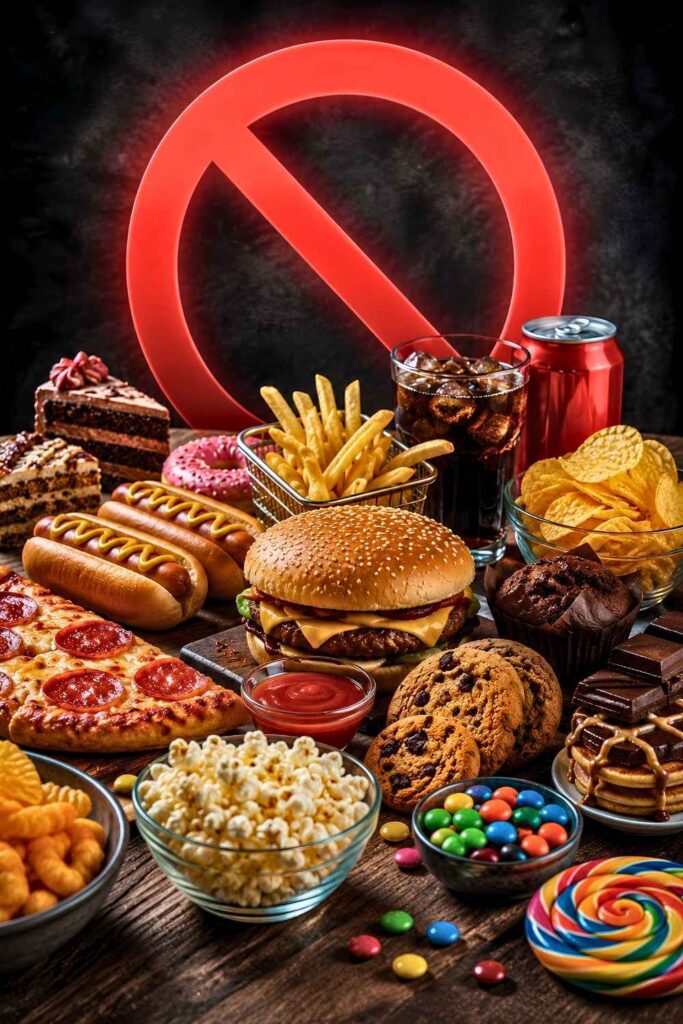
No food is completely off-limits, but some foods are easier to overconsume.
Examples include:
- Sugary beverages
- Fried foods
- Processed snacks
- Candy
- Pastries
- Fast food meals
- Excessive alcohol
Limiting these foods can make maintaining a calorie deficit easier.
Meal Planning for Fat Loss
Meal planning helps eliminate guesswork and improves dietary consistency.
Benefits include:
- Better portion control
- Reduced impulse eating
- Lower food waste
- Improved nutrient intake
- Time savings
Creating a weekly meal plan can significantly improve adherence to a balanced diet.
Sample One-Day Balanced Fat Loss Meal Plan
| Meal | Example |
| Breakfast | Oatmeal with berries and almonds |
| Snack | Greek yogurt |
| Lunch | Grilled chicken, vegetables, brown rice |
| Snack | Apple with peanut butter |
| Dinner | Salmon, sweet potato, mixed salad |
| Dessert | Fresh fruit |
This meal structure provides a balance of protein, carbohydrates, healthy fats, and fiber.
Portion Control Tips
Even healthy foods can contribute to excess calorie intake when portions become too large.
Helpful strategies include:
- Use smaller plates
- Measure servings occasionally
- Eat slowly
- Avoid distracted eating
- Pay attention to hunger cues
Developing portion awareness supports sustainable fat loss without strict dieting.
Hydration and Fat Loss
Water plays a major role in overall health and weight management.
Benefits include:
- Improved digestion
- Better exercise performance
- Reduced hunger sensations
- Enhanced metabolism support
Many people mistakenly interpret thirst as hunger, leading to unnecessary snacking.
Drinking water regularly throughout the day supports healthy eating habits.
Key Highlights
- A balanced diet provides all essential nutrients while supporting fat loss.
- Protein helps preserve muscle and control hunger.
- Healthy carbohydrates provide energy and important nutrients.
- Healthy fats support hormone function and overall wellness.
- Fiber improves digestion and appetite control.
- Meal planning increases consistency and reduces unhealthy choices.
- Portion control supports calorie management without extreme restrictions.
- Hydration plays a critical role in weight management.
- Sustainable habits produce better long-term results than crash diets.
- Fat loss should focus on health, consistency, and long-term success.
FAQs
What is the best balanced diet for fat loss?
A balanced diet for fat loss includes lean protein, whole grains, fruits, vegetables, healthy fats, and adequate hydration while maintaining a moderate calorie deficit.
Can I lose fat without giving up carbohydrates?
Yes. Healthy carbohydrates provide energy and important nutrients. Focus on whole-food carbohydrate sources rather than highly processed options.
How much protein should I eat for fat loss?
Protein needs vary based on body weight and activity level, but most people benefit from including protein at every meal.
Is counting calories necessary?
Not always. Many people successfully lose fat through portion control, mindful eating, and focusing on nutrient-dense foods.
Can I eat snacks while trying to lose fat?
Yes. Healthy snacks such as fruit, yogurt, nuts, and vegetables can help control hunger between meals.
How fast should I lose fat?
Gradual fat loss is generally more sustainable than rapid weight loss and helps preserve muscle mass.
Why am I not losing fat despite eating healthy?
Factors such as portion sizes, hidden calories, stress, poor sleep, and lack of physical activity can affect fat-loss progress.
Do healthy fats cause weight gain?
Healthy fats are calorie-dense but beneficial. Consuming appropriate portions can support fat-loss goals and overall health.
Final Words
A balanced diet remains one of the most effective and sustainable approaches to fat loss. Instead of chasing quick fixes or restrictive eating plans, focus on building healthy habits that you can maintain over time. Prioritize nutrient-dense foods, adequate protein, fiber-rich meals, proper hydration, and consistent physical activity.
Remember that successful fat loss is not about perfection. It is about making better choices consistently and creating a lifestyle that supports your health goals. Small improvements made every day can lead to significant long-term results, helping you achieve sustainable weight loss and lasting success.