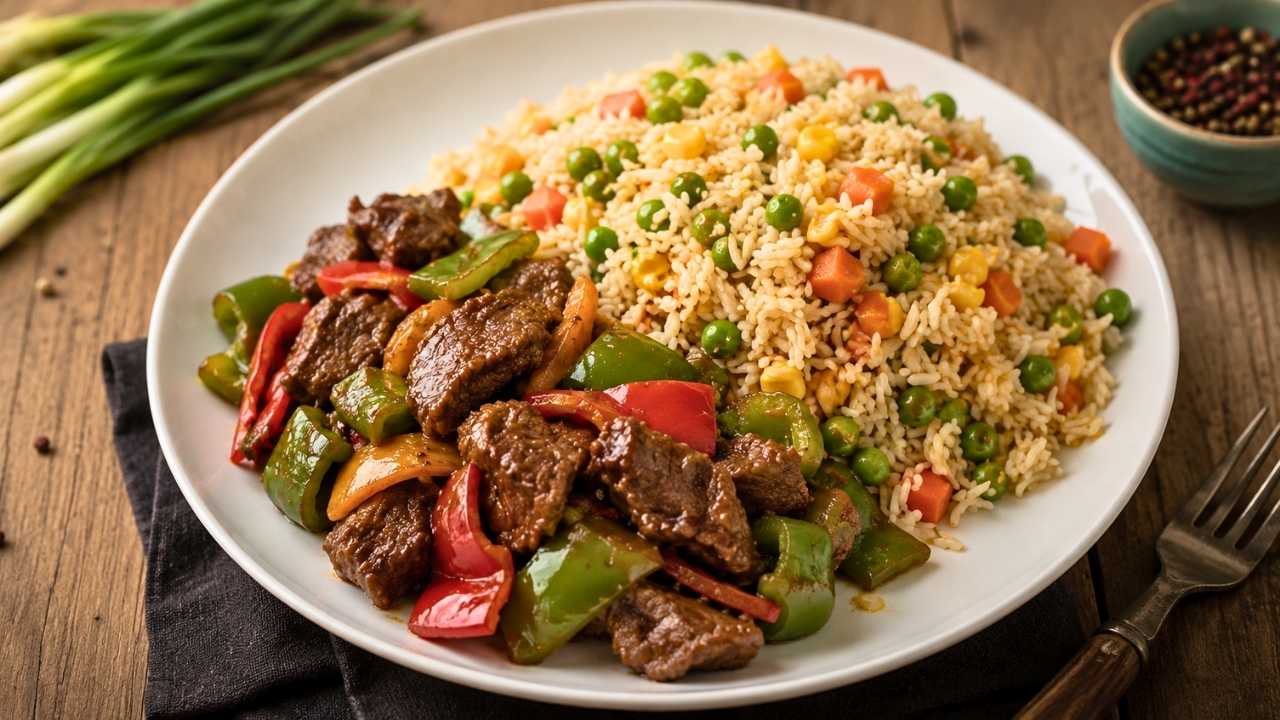
Easy Fried Rice and Stir-Fry Dinner Setup: Asian-inspired meals have become a favorite choice for home cooks worldwide because they combine bold flavors, fresh ingredients, and quick cooking techniques. Among the most loved options are fried rice and stir-fry dishes, which offer endless possibilities for customization while remaining simple enough for busy weeknights.
Whether you are cooking for your family, preparing a quick dinner after work, or hosting friends for a casual gathering, a fried rice and stir-fry dinner setup can be the perfect solution. These dishes require minimal preparation, cook quickly, and allow you to use ingredients that are already available in your kitchen.
This guide explores everything you need to know about creating delicious fried rice and stir-fry meals at home, from choosing ingredients to mastering cooking techniques and serving a complete Asian-inspired dinner.
Why Fried Rice and Stir-Fry Make the Perfect Dinner Combination
Fried rice and stir-fry complement each other beautifully. Fried rice provides a satisfying base made from rice, vegetables, eggs, and seasonings, while stir-fry adds protein, texture, and vibrant flavors.

Some major benefits include:
- Quick preparation and cooking time
- Budget-friendly ingredients
- Minimal kitchen cleanup
- Highly customizable recipes
- Suitable for vegetarians and meat lovers
- Excellent use of leftovers
- Balanced nutrition in one meal
This combination delivers a complete dining experience that feels restaurant-quality without requiring advanced cooking skills.
Understanding the Basics of Fried Rice
Fried rice is a classic Asian dish that transforms simple rice into a flavorful meal. The key to great fried rice lies in using properly cooked rice and maintaining high cooking temperatures.
Traditional fried rice often includes:
- Cooked rice
- Eggs
- Green onions
- Garlic
- Soy sauce
- Mixed vegetables
- Protein of choice
The beauty of fried rice is its flexibility. You can adapt it based on available ingredients and personal preferences.
What Makes a Great Stir-Fry?
Stir-frying is a cooking method that involves quickly cooking ingredients over high heat while continuously stirring.
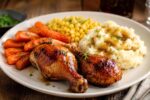
A successful stir-fry typically includes:
- Fresh vegetables
- Protein
- Aromatic ingredients
- Flavorful sauce
- High-heat cooking
The result is a colorful dish that retains the natural texture and nutrients of the ingredients.
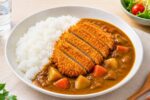
Essential Ingredients for an Asian-Inspired Dinner
The following table highlights key ingredients commonly used in fried rice and stir-fry dishes.
| Ingredient | Purpose | Best Use |
|---|---|---|
| Rice | Main base ingredient | Fried rice |
| Soy Sauce | Adds savory flavor | Both dishes |
| Garlic | Aromatic flavor | Both dishes |
| Ginger | Adds warmth and freshness | Stir-fry |
| Green Onions | Garnish and flavor | Both dishes |
| Eggs | Protein and texture | Fried rice |
| Bell Peppers | Color and crunch | Stir-fry |
| Carrots | Sweetness and nutrition | Both dishes |
| Broccoli | Fiber and texture | Stir-fry |
| Chicken | Lean protein | Stir-fry |
| Shrimp | Seafood option | Both dishes |
| Tofu | Vegetarian protein | Stir-fry |
| Sesame Oil | Rich aroma | Finishing touch |
Choosing the Right Rice for Fried Rice
Rice selection significantly affects the final result.
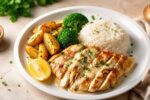
Best rice options include:
Jasmine Rice
Jasmine rice provides a light fragrance and fluffy texture that works exceptionally well in fried rice recipes.
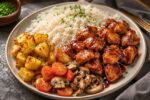
Long-Grain Rice
Long-grain rice remains separate after cooking, preventing clumping during frying.
Day-Old Rice
Many professional chefs prefer day-old rice because it contains less moisture, making it easier to fry and achieve a better texture.
Protein Options for Fried Rice and Stir-Fry
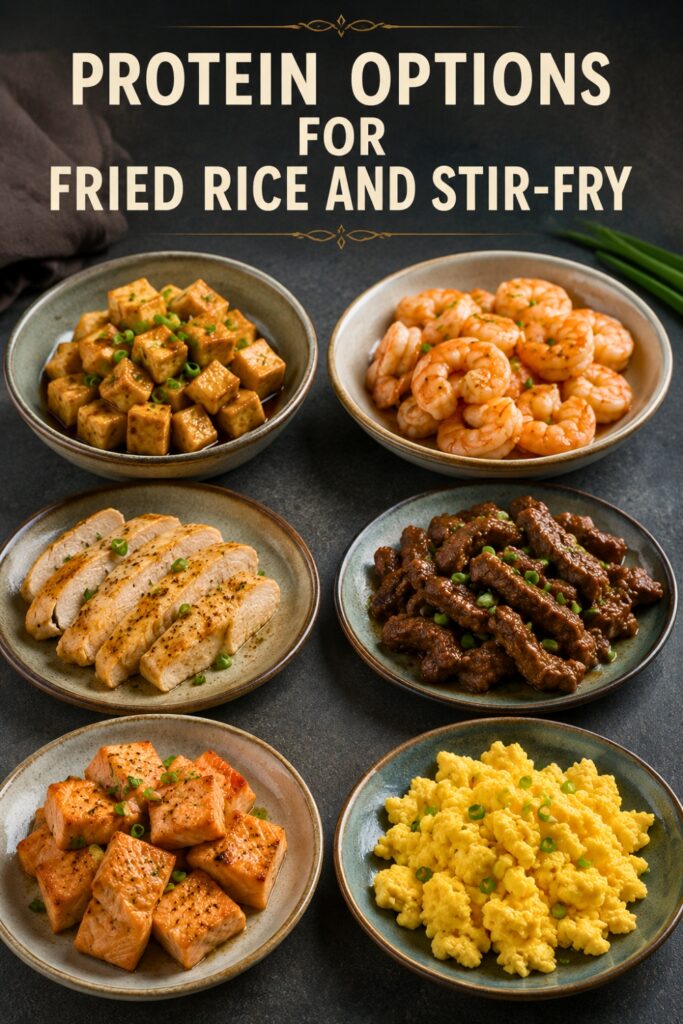
Adding protein creates a more filling and balanced meal.
Popular protein choices include:

Chicken
Chicken is affordable, versatile, and absorbs sauces beautifully.
Beef
Thinly sliced beef cooks quickly and adds rich flavor.
Shrimp
Shrimp provides a seafood twist and pairs well with garlic and ginger.
Tofu
Tofu is an excellent plant-based protein that readily absorbs surrounding flavors.
Eggs
Eggs are simple, economical, and commonly used in traditional fried rice recipes.
Best Vegetables for Stir-Fry Dishes
Vegetables bring color, nutrition, and texture to your dinner setup.
Top choices include:
- Broccoli
- Bell peppers
- Snow peas
- Mushrooms
- Carrots
- Bok choy
- Baby corn
- Cabbage
- Zucchini
- Green beans
Combining multiple vegetables creates visual appeal and nutritional variety.
Creating Flavorful Stir-Fry Sauces
The sauce often determines the overall success of a stir-fry dish.
Popular sauce ingredients include:
- Soy sauce
- Oyster sauce
- Hoisin sauce
- Rice vinegar
- Sesame oil
- Chili sauce
- Honey
- Brown sugar
- Garlic
- Ginger
Balancing sweet, salty, savory, and spicy elements creates a more complex and enjoyable flavor profile.
Step-by-Step Fried Rice Preparation
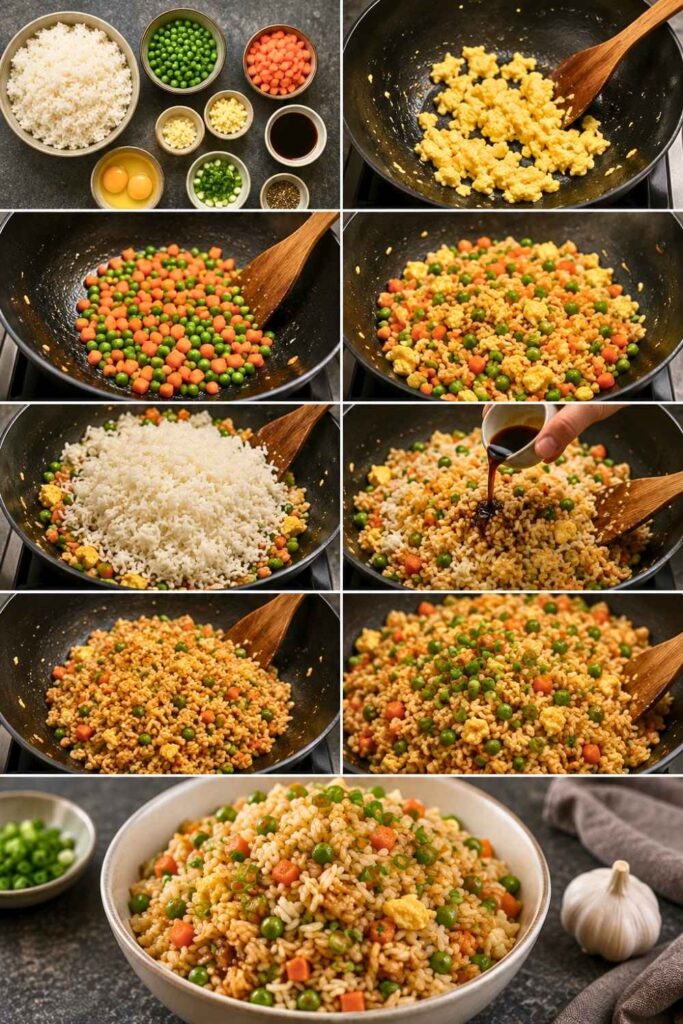
Follow these simple steps for consistently delicious fried rice.
- Heat oil in a wok or large skillet.
- Cook beaten eggs and set aside.
- Sauté garlic and vegetables.
- Add cold cooked rice.
- Stir continuously over high heat.
- Add soy sauce and seasonings.
- Return eggs to the pan.
- Mix thoroughly.
- Garnish with green onions.
This method helps achieve the desired texture and flavor.
Step-by-Step Stir-Fry Preparation
Preparing stir-fry is straightforward when ingredients are organized beforehand.
- Slice vegetables and protein evenly.
- Heat wok until very hot.
- Add cooking oil.
- Cook protein first.
- Remove protein temporarily.
- Stir-fry vegetables.
- Add sauce ingredients.
- Return protein.
- Toss until evenly coated.
- Serve immediately.
High heat and quick cooking are essential for authentic stir-fry results.
Dinner Menu Ideas for Any Day
Here are several meal combinations that work well together.
Classic Chicken Dinner
- Chicken fried rice
- Garlic broccoli stir-fry
- Cucumber salad
Vegetarian Feast
- Vegetable fried rice
- Tofu stir-fry
- Steamed edamame
Seafood Special
- Shrimp fried rice
- Mixed vegetable stir-fry
- Asian slaw
Family-Style Dinner
- Egg fried rice
- Chicken and vegetable stir-fry
- Spring rolls
These combinations provide variety and balance.
Tips for Restaurant-Style Results at Home
Many home cooks wonder how restaurants achieve superior fried rice and stir-fry dishes.
Professional tips include:
- Use very high heat.
- Prepare ingredients before cooking.
- Avoid overcrowding the pan.
- Use day-old rice.
- Cook in batches if necessary.
- Add sauce gradually.
- Serve immediately.
Small adjustments can dramatically improve the final outcome.
Health Benefits of Fried Rice and Stir-Fry Meals
When prepared with fresh ingredients, these dishes offer numerous nutritional benefits.
Advantages include:
- High vegetable intake
- Lean protein options
- Balanced carbohydrates
- Essential vitamins and minerals
- Customizable sodium levels
- Portion control flexibility
By selecting quality ingredients, these meals can become part of a healthy eating routine.
Common Mistakes to Avoid
Avoiding these mistakes can improve your cooking results.
Using Freshly Cooked Rice
Fresh rice often becomes sticky and mushy during frying.
Overcrowding the Pan
Too many ingredients reduce heat and create steaming rather than frying.
Overcooking Vegetables
Vegetables should remain slightly crisp for better texture.
Excessive Sauce
Too much sauce can make dishes soggy and overpowering.
Low Heat
High heat is crucial for authentic fried rice and stir-fry preparation.
How to Store and Reheat Leftovers
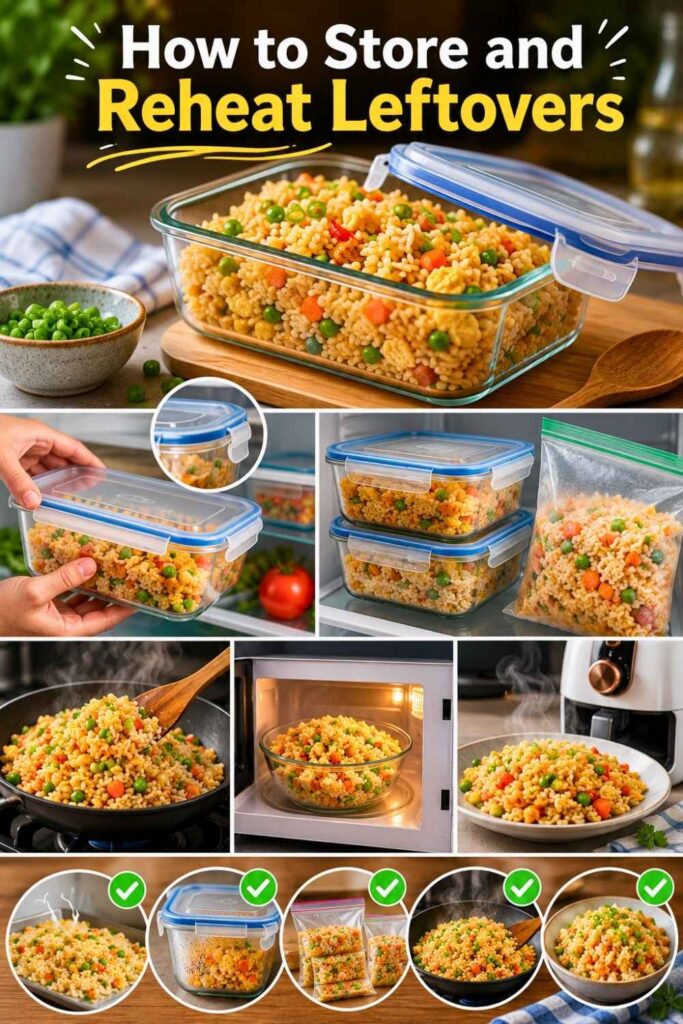
Leftovers can remain delicious when handled properly.
Storage guidelines:
- Refrigerate within two hours.
- Store in airtight containers.
- Consume within three to four days.
Reheating methods:
- Skillet reheating for best texture.
- Microwave for convenience.
- Add a small splash of water if necessary.
Proper storage helps maintain freshness and food safety.
Key Highlights
- Fried rice and stir-fry create a complete and satisfying dinner.
- Both dishes are quick, affordable, and versatile.
- Day-old rice produces the best fried rice texture.
- High heat is essential for authentic cooking results.
- Fresh vegetables and quality proteins improve flavor and nutrition.
- Homemade sauces allow better control of taste and ingredients.
- These meals are suitable for families, guests, and meal preparation.
- Leftovers can be stored and reheated easily.
FAQs
What type of rice works best for fried rice?
Day-old jasmine rice or long-grain rice generally produces the best texture because it contains less moisture.
Can I make fried rice without eggs?
Yes. You can omit eggs entirely or replace them with tofu, extra vegetables, or another protein source.
What vegetables are best for stir-fry?
Broccoli, bell peppers, carrots, mushrooms, snow peas, and bok choy are excellent choices.
Why is my fried rice sticky?
Sticky fried rice is usually caused by using freshly cooked rice or adding too much moisture during cooking.
Can stir-fry be made vegetarian?
Absolutely. Tofu, mushrooms, and a variety of vegetables make excellent vegetarian stir-fry options.
How long does leftover fried rice last?
Properly refrigerated fried rice generally remains safe to eat for three to four days.
Do I need a wok for stir-fry cooking?
No. A large skillet or frying pan can also produce excellent results.
What sauce is commonly used in stir-fry?
Soy sauce, oyster sauce, sesame oil, garlic, and ginger form the base of many popular stir-fry sauces.
Final Words
An easy fried rice and stir-fry dinner setup offers one of the most practical and delicious ways to enjoy Asian-inspired cuisine at home. These dishes combine speed, flexibility, nutrition, and flavor, making them suitable for busy weekdays as well as relaxed weekend dinners. With the right ingredients, proper cooking techniques, and a little creativity, anyone can prepare restaurant-style meals in their own kitchen. Whether you prefer chicken, shrimp, tofu, or a variety of fresh vegetables, fried rice and stir-fry recipes provide endless opportunities to create memorable meals for any day of the week.