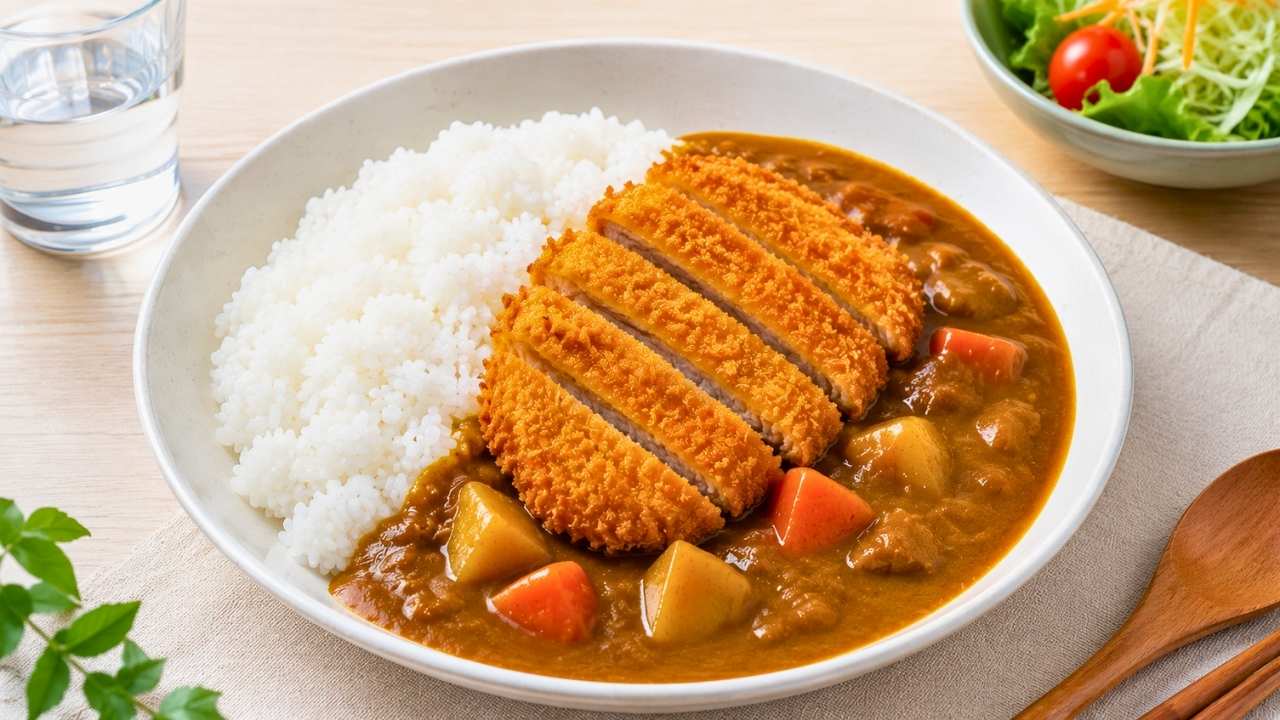
Authentic Japanese Curry Rice: Japanese cuisine is celebrated worldwide for its balance of flavor, texture, and presentation. While sushi, ramen, and tempura often take center stage, one dish that has quietly earned a place in the hearts of millions is Japanese Curry Rice with Crispy Katsu. This comforting meal combines rich, mildly spiced curry sauce, fluffy steamed rice, and perfectly breaded crispy cutlets to create a satisfying dining experience that appeals to people of all ages.
Unlike traditional Indian curries that feature bold spices and intense heat, Japanese curry offers a sweeter, thicker, and more mellow flavor profile. When paired with golden-brown katsu, the result is a delicious harmony of textures and tastes that has become a staple in Japanese households, restaurants, and school cafeterias.

Whether enjoyed as a quick weekday dinner or a special weekend treat, Japanese Curry Rice and Crispy Katsu continue to be one of Japan’s most beloved comfort foods. This article explores the history, ingredients, preparation methods, cultural significance, variations, nutritional aspects, and reasons why this iconic dish remains a favorite around the globe.
The Origins of Japanese Curry
Japanese curry has a fascinating history that differs significantly from many other Asian curry dishes. Although curry originally traces its roots to India, it arrived in Japan through British influence during the Meiji Era in the late nineteenth century.

The British Navy had adopted curry as part of its diet and introduced it to Japan as a practical meal for sailors. Over time, Japanese chefs adapted the recipe to local tastes by reducing the spice level and creating a thicker, stew-like consistency.
Eventually, curry rice became a common household meal and was embraced throughout the country. Today, it is considered one of Japan’s national comfort foods and is served everywhere from family kitchens to specialty restaurants.

What Makes Japanese Curry Unique?
Japanese curry differs from other curry styles in several important ways.
| Feature | Japanese Curry | Indian Curry | Thai Curry |
|---|---|---|---|
| Texture | Thick and rich | Varies from thick to thin | Usually creamy |
| Spice Level | Mild to moderate | Moderate to very spicy | Moderate to spicy |
| Main Flavor | Sweet and savory | Complex spice blend | Coconut and herbs |
| Common Protein | Chicken, pork, beef | Chicken, lamb, vegetables | Chicken, seafood |
| Typical Serving | Over rice | With naan or rice | With jasmine rice |
The use of curry roux gives Japanese curry its signature texture and flavor. This roux is often made with flour, butter, and curry spices, creating a velvety sauce that coats every grain of rice.
Understanding Crispy Katsu
Katsu refers to a breaded and deep-fried cutlet that is commonly made from pork or chicken. The word originates from “katsuretsu,” meaning cutlet.
The preparation process involves coating meat in flour, egg, and panko breadcrumbs before frying until golden and crispy.

The contrast between the crunchy exterior and juicy interior makes katsu one of Japan’s most beloved fried foods.
When served alongside curry rice, katsu adds texture and richness, transforming a simple meal into a complete dining experience.

Essential Ingredients for Japanese Curry Rice
A great Japanese curry begins with quality ingredients.
Main Ingredients
- Curry roux
- Onion
- Carrots
- Potatoes
- Beef, chicken, or pork
- Water or broth
- Steamed Japanese rice
Optional Flavor Enhancers
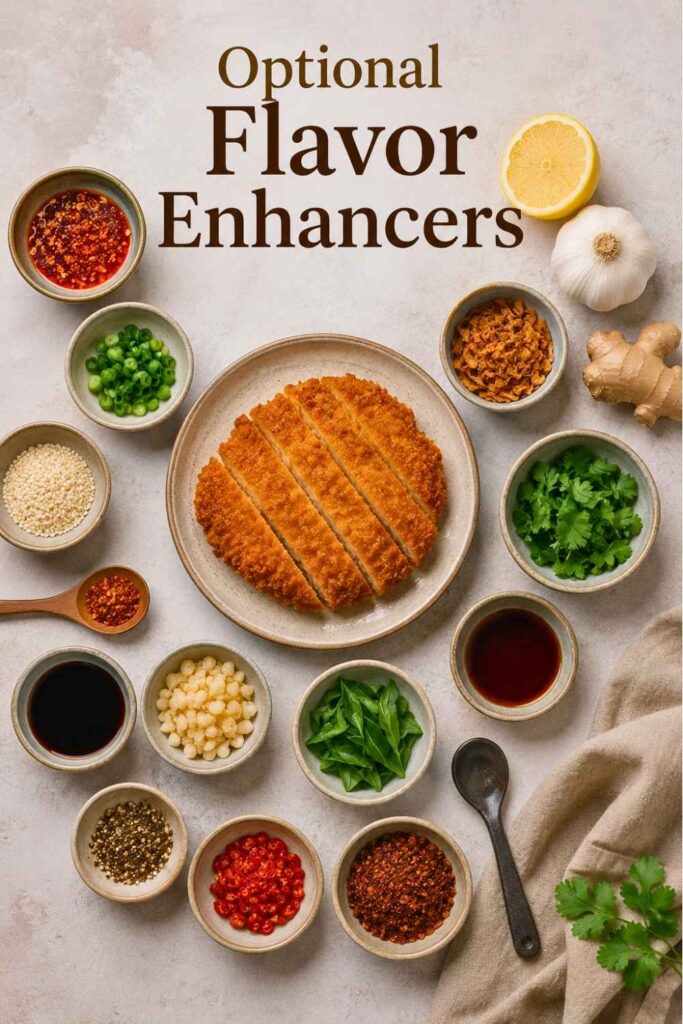
- Apple puree
- Honey
- Soy sauce
- Worcestershire sauce
- Garlic
- Ginger
Many Japanese home cooks add secret ingredients to create a personalized flavor profile.

Ingredients Needed for Crispy Katsu
Creating restaurant-quality katsu at home requires only a few simple ingredients.
| Ingredient | Purpose |
|---|---|
| Pork loin or chicken breast | Main protein |
| Flour | Helps coating stick |
| Eggs | Binding agent |
| Panko breadcrumbs | Creates crispy texture |
| Salt and pepper | Seasoning |
| Oil | Frying |
Panko breadcrumbs are particularly important because they create a lighter and crunchier coating than regular breadcrumbs.

The Step-by-Step Preparation Process
Preparing the Curry
First, onions are sautéed until soft and slightly caramelized. Meat is then added and browned.
Carrots and potatoes are incorporated before adding water or broth.

The mixture simmers until vegetables become tender.
Finally, curry roux blocks are dissolved into the liquid, creating the characteristic thick sauce.

Preparing the Katsu
The cutlet is seasoned and coated in flour, beaten egg, and panko breadcrumbs.
It is then deep-fried until golden brown and crispy.
After resting briefly, the katsu is sliced into strips for easy serving.
Assembly
A serving of steamed rice is placed on the plate.
The curry sauce is poured over one side of the rice.
The sliced katsu is arranged on top or beside the curry.
This presentation creates a visually appealing meal that highlights every component.
Why Japanese Curry and Katsu Work So Well Together
The success of this dish lies in its balance.
The rich curry provides warmth and depth.
The rice offers a neutral base that absorbs flavor.
The crispy katsu introduces texture and savory richness.
Together, these elements create a meal that feels complete and deeply satisfying.
Popular Regional Variations
Different regions of Japan have developed unique interpretations of curry rice.
Hokkaido Style Curry
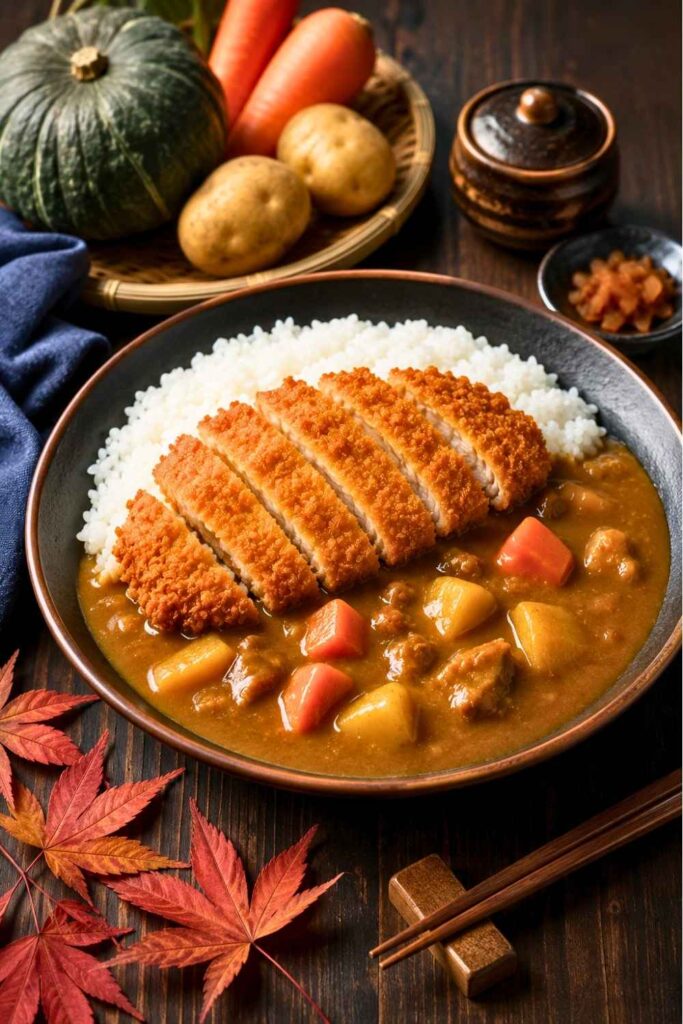
Often features local vegetables and dairy products, creating an especially rich sauce.
Kanazawa Curry
Known for its thick dark curry, shredded cabbage, and generous katsu portions.
Yokosuka Navy Curry
Inspired by the curry served by naval officers and remains popular among visitors.
Osaka Style Curry
Typically sweeter and richer than versions found in other regions.
These regional specialties showcase the versatility of Japanese curry.
Homemade Versus Restaurant Versions
Both homemade and restaurant curry have their advantages.
| Homemade Curry | Restaurant Curry |
|---|---|
| Customizable flavors | Professional preparation |
| Budget-friendly | Unique specialty recipes |
| Family tradition | Consistent quality |
| Fresh ingredients | Convenient dining |
Many Japanese families treasure their own curry recipes, passing them through generations.
The Role of Curry in Japanese Culture
Japanese curry is more than just food.
It is associated with family dinners, school lunches, and nostalgic childhood memories.
Many people remember coming home to the aroma of curry simmering on the stove after school.
Because it is easy to prepare in large quantities, curry often serves as a meal that brings families together around the dinner table.
School Lunch Tradition
Japanese schools frequently include curry rice in lunch programs.
Its balanced nutrition and broad appeal make it an ideal meal for students.
For many children, school curry becomes one of their favorite cafeteria dishes.
Why Katsu Symbolizes Good Luck
The word “katsu” sounds similar to the Japanese word for victory.
As a result, students often eat katsu before important examinations, and athletes may enjoy it before competitions.
This symbolic connection adds cultural significance to the dish beyond its culinary appeal.
Nutritional Profile of Curry Rice and Katsu
Although indulgent, this meal can provide a balanced combination of nutrients.
| Nutrient | Source |
|---|---|
| Protein | Katsu meat |
| Carbohydrates | Rice and vegetables |
| Fiber | Carrots and potatoes |
| Vitamins | Vegetables |
| Energy | Curry sauce and rice |
Portion control and ingredient choices can further improve nutritional value.
Healthier Alternatives
Health-conscious cooks can modify the dish without sacrificing flavor.
Air-Fried Katsu
Using an air fryer reduces oil consumption significantly.
Brown Rice
Provides additional fiber and nutrients.
Extra Vegetables
Adding mushrooms, peas, or spinach increases nutritional value.
Lean Proteins
Chicken breast offers a lighter alternative to pork.
These adjustments help create a healthier version while preserving the dish’s comforting character.
Best Side Dishes to Serve with Japanese Curry
Several accompaniments enhance the overall meal experience.
Pickled Vegetables
Japanese pickles provide acidity that balances the richness of the curry.
Miso Soup
Adds warmth and complements the meal beautifully.
Cabbage Salad
Offers freshness and crunch.
Soft-Boiled Egg
Creates an extra layer of richness and texture.
Popular Drinks to Pair with Curry Katsu
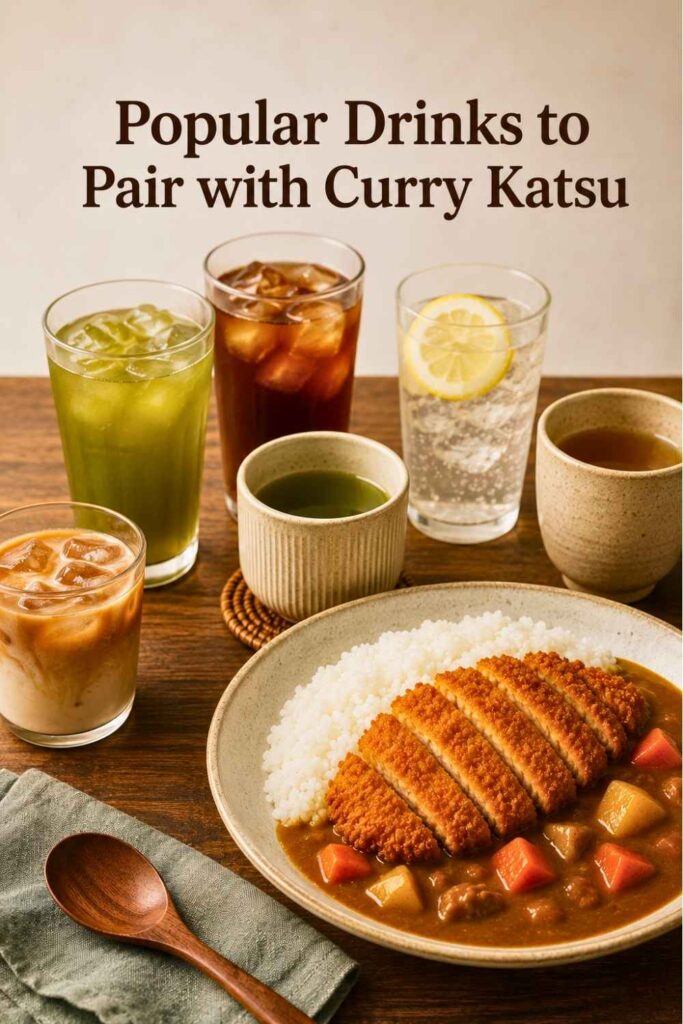
| Beverage | Pairing Benefit |
|---|---|
| Green Tea | Cleanses the palate |
| Barley Tea | Refreshing and mild |
| Sparkling Water | Balances richness |
| Japanese Beer | Complements fried foods |
These beverages enhance the overall dining experience.
International Popularity of Japanese Curry
Japanese curry has expanded far beyond Japan’s borders.
Restaurants specializing in curry and katsu can now be found across North America, Europe, Australia, and Asia.
Food enthusiasts appreciate its approachable flavor profile, which is often less intimidating than spicier curry styles.
Its growing popularity reflects the global appeal of comfort food that combines simplicity with exceptional taste.
Tips for Making Restaurant-Quality Curry at Home
Caramelize the Onions
This creates deeper flavor and natural sweetness.
Simmer Slowly
Allowing the ingredients to cook gently improves texture and flavor.
Use Quality Panko
Authentic panko breadcrumbs produce superior crispiness.
Rest the Katsu
Letting the fried cutlet rest briefly keeps it juicy.
Prepare Ahead
Many cooks believe curry tastes even better the next day.
Common Mistakes to Avoid
- Overcrowding the frying pan
- Undercooking vegetables
- Using too much water
- Skipping seasoning
- Serving katsu immediately without resting
Avoiding these mistakes helps ensure excellent results.
Why This Meal Remains a Timeless Favorite
Japanese Curry Rice and Crispy Katsu continue to thrive because they deliver everything people seek in comfort food.
The dish is filling without being overwhelming.
It is familiar yet exciting.
It combines savory, sweet, crispy, and creamy elements in every bite.
Most importantly, it evokes feelings of warmth, satisfaction, and home.
Whether enjoyed at a family table, a neighborhood restaurant, or a specialty curry shop, this meal consistently delivers comfort and flavor that transcend cultural boundaries.
Key Highlights
- Japanese curry originated during the Meiji Era through British influence.
- Curry rice is one of Japan’s most beloved comfort foods.
- Katsu provides a crispy and flavorful contrast to rich curry sauce.
- The dish balances texture, flavor, and nutrition.
- Regional variations add diversity across Japan.
- Homemade recipes often become treasured family traditions.
- Katsu symbolizes success and good fortune in Japanese culture.
- Healthier adaptations can be made without losing authenticity.
- The meal has gained widespread international popularity.
- Japanese Curry Rice and Crispy Katsu remain timeless favorites for all ages.
Final Words
Authentic Japanese Curry Rice and Crispy Katsu represent the very essence of comfort food. Rich curry sauce, fluffy rice, and perfectly crispy cutlets come together to create a meal that satisfies both the body and the soul. Its fascinating history, cultural significance, and incredible versatility have helped it become one of Japan’s most cherished culinary treasures.
Whether you prepare it at home or enjoy it at a restaurant, this iconic dish offers a memorable experience filled with warmth, flavor, and tradition. From its humble origins to its global popularity, Japanese Curry Rice and Crispy Katsu continue to prove that simple ingredients, when combined thoughtfully, can create something truly extraordinary.
FAQs
What is Japanese curry made from?
Japanese curry is typically made from curry roux, onions, carrots, potatoes, meat, and water or broth, creating a thick and flavorful sauce.
What does katsu mean?
Katsu refers to a breaded and deep-fried cutlet, usually made from pork or chicken.
Is Japanese curry spicy?
Japanese curry is generally mild and slightly sweet compared to Indian or Thai curries.
What type of rice is served with Japanese curry?
Short-grain Japanese rice is the traditional choice because of its soft texture and ability to absorb the curry sauce.
Can I make katsu without deep frying?
Yes. Air frying or baking can create a healthier version while maintaining a crispy texture.
Why is katsu associated with good luck?
The word “katsu” sounds similar to the Japanese word for victory, making it a popular meal before exams and competitions.
Can Japanese curry be vegetarian?
Absolutely. Vegetables, tofu, and plant-based curry roux can be used to create a delicious vegetarian version.
Does curry taste better the next day?
Many people believe Japanese curry develops deeper flavors after resting overnight in the refrigerator.
What vegetables are commonly used in Japanese curry?
Onions, carrots, and potatoes are the most traditional vegetables used in Japanese curry.
Is Japanese curry popular outside Japan?
Yes. Japanese curry has become increasingly popular worldwide and can be found in restaurants across many countries.