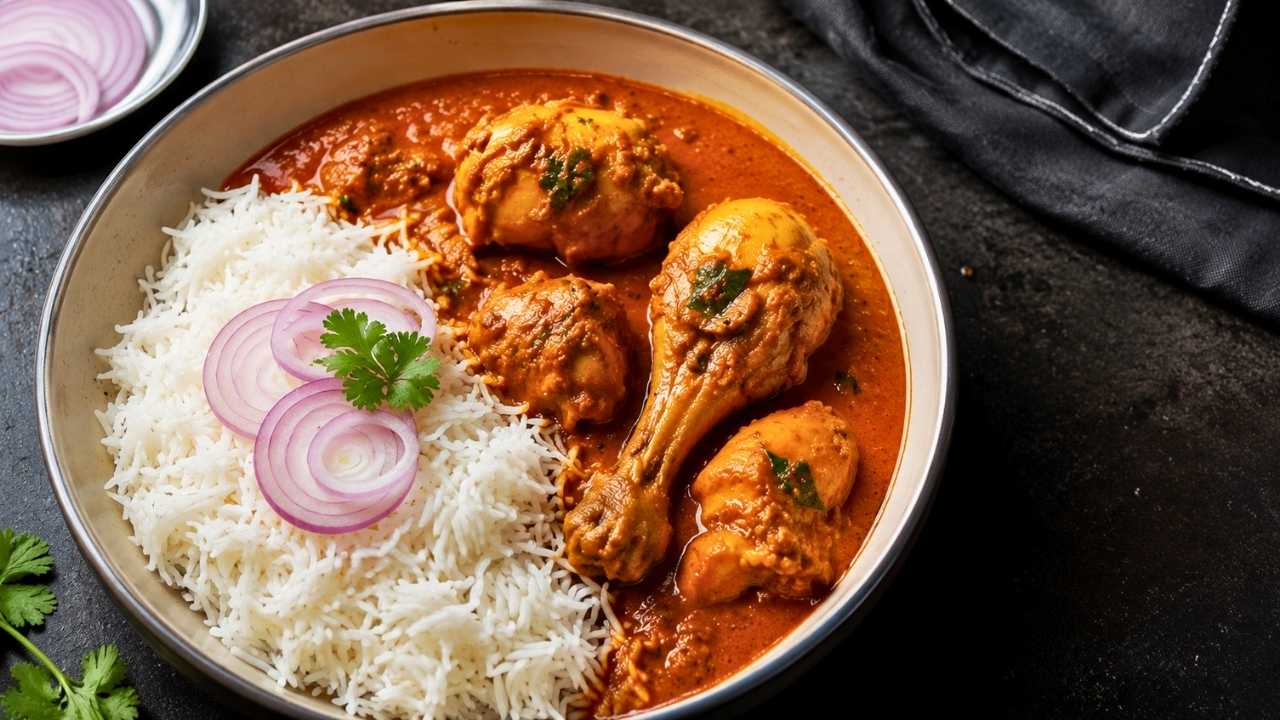
Chicken Curry with Basmati Rice: Chicken Curry with Basmati Rice is one of the most beloved meals in Indian cuisine. It is a comforting combination that brings together tender chicken, aromatic spices, rich gravy, and fragrant basmati rice. Whether prepared for a family dinner, a festive gathering, or a weekend treat, this classic dish never fails to satisfy.
The beauty of chicken curry lies in its versatility. Every region of India has its own version, influenced by local ingredients, cooking techniques, and traditions. From creamy North Indian curries to spicy South Indian preparations, chicken curry represents the incredible diversity of Indian cooking.

Paired with fluffy basmati rice, chicken curry becomes a complete meal that balances flavor, texture, and nutrition. The long grains of basmati rice absorb the rich curry beautifully, creating a dining experience that is both hearty and memorable.
This guide explores everything you need to know about making a delicious homemade Chicken Curry with Basmati Rice, including ingredients, preparation techniques, serving suggestions, nutritional information, and expert cooking tips.

Why Chicken Curry with Basmati Rice Is So Popular
Chicken curry and rice have become a staple meal in millions of households because they combine simplicity with exceptional flavor.
Several factors contribute to its popularity:
- Easy to prepare with everyday ingredients
- Rich and satisfying flavor profile
- Suitable for family meals and celebrations
- Highly customizable spice levels
- Nutritious and filling
- Perfect for meal preparation
- Loved by both adults and children
The combination of protein-rich chicken and fragrant basmati rice creates a balanced meal that can be enjoyed throughout the year.
Understanding the Essence of Indian Chicken Curry
Indian chicken curry is much more than chicken cooked in sauce. It is a carefully layered dish where spices, aromatics, and cooking techniques work together to create depth and complexity.

The foundation typically includes:
- Onions
- Tomatoes
- Garlic
- Ginger
- Turmeric
- Coriander
- Cumin
- Chili powder
- Garam masala
Each ingredient contributes a unique flavor that transforms simple chicken into a richly flavored masterpiece.

Ingredients Overview
The following table outlines the essential ingredients commonly used in homemade chicken curry.
| Ingredient | Purpose |
|---|---|
| Chicken | Main protein source |
| Onions | Adds sweetness and body |
| Tomatoes | Creates richness and acidity |
| Garlic | Enhances savory flavor |
| Ginger | Adds warmth and aroma |
| Turmeric | Provides color and earthiness |
| Cumin | Delivers nutty depth |
| Coriander Powder | Adds citrusy notes |
| Chili Powder | Brings heat |
| Garam Masala | Adds finishing aroma |
| Oil or Ghee | Cooking medium |
| Fresh Cilantro | Garnish and freshness |
| Salt | Flavor enhancement |
Why Basmati Rice Is the Perfect Pairing
Basmati rice is known for its long grains, delicate aroma, and light texture. Unlike sticky rice varieties, basmati remains fluffy after cooking, making it ideal for absorbing curry without becoming mushy.
Benefits of basmati rice include:
- Pleasant fragrance
- Light texture
- Easy digestion
- Excellent flavor absorption
- Attractive presentation
Its subtle nutty flavor complements the bold spices of chicken curry perfectly.

Choosing the Best Chicken for Curry
Selecting quality chicken significantly impacts the final dish.
Popular choices include:

Bone-In Chicken
Bone-in chicken produces richer flavor because the bones release natural juices during cooking.
Advantages:

- More flavorful gravy
- Juicier meat
- Traditional texture
Boneless Chicken
Boneless chicken is convenient and cooks faster.
Advantages:

- Easy serving
- Faster preparation
- Child-friendly
Both options work well depending on personal preference.
Essential Spices That Create Authentic Flavor
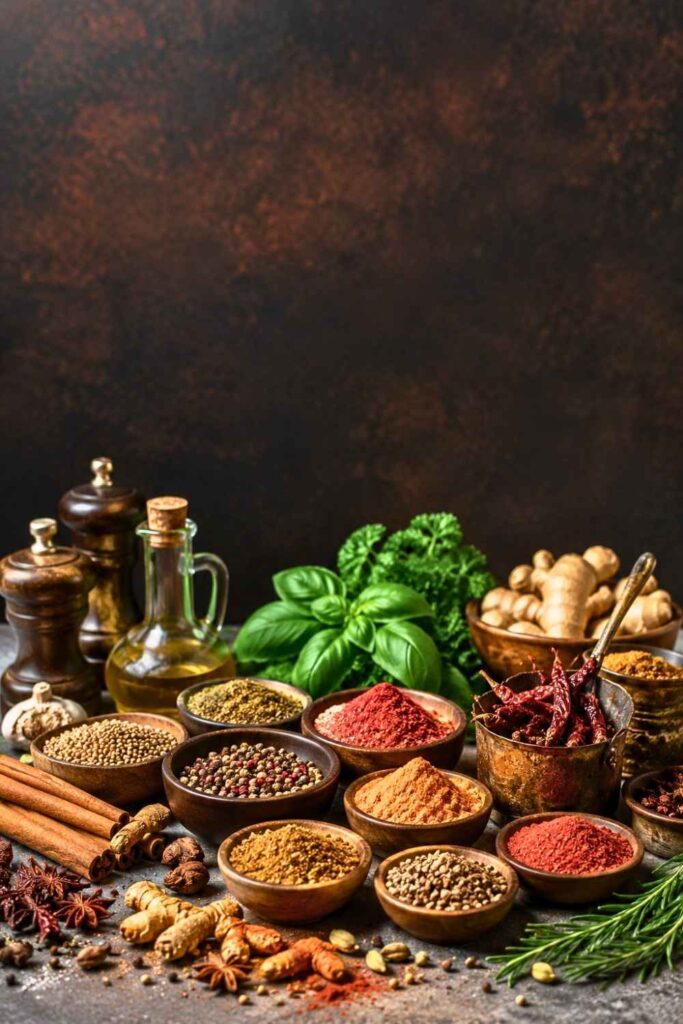
Indian chicken curry relies heavily on spices.
Turmeric
Provides golden color and earthy undertones.
Cumin
Adds warmth and a slightly smoky character.
Coriander
Creates a fresh citrus-like balance.
Red Chili Powder
Offers heat and vibrant color.
Garam Masala
A blend of aromatic spices that adds depth toward the end of cooking.
The careful balance of these spices defines the character of the curry.
Preparing the Ingredients
Good preparation ensures a smooth cooking process.
Important preparation steps include:
- Finely chop onions
- Puree or chop tomatoes
- Mince garlic and ginger
- Clean and portion chicken
- Measure spices in advance
- Wash and soak basmati rice
Organizing ingredients before cooking helps maintain consistency.
Step-by-Step Chicken Curry Preparation
Step 1: Heat the Oil
Begin by heating oil or ghee in a large pan.
Step 2: Cook the Onions
Cook onions until golden brown.
This stage develops sweetness and depth.
Step 3: Add Ginger and Garlic
Cook until fragrant.
Step 4: Add Tomatoes
Allow tomatoes to soften completely and release moisture.
Step 5: Add Spices
Mix turmeric, cumin, coriander, chili powder, and salt.
Cook until aromatic.
Step 6: Add Chicken
Coat chicken thoroughly with the spice mixture.
Step 7: Simmer
Add water and cook until chicken becomes tender.
Step 8: Finish with Garam Masala
Add garam masala and fresh cilantro before serving.
The result is a rich, flavorful curry with balanced spices.
How to Cook Perfect Basmati Rice
Cooking basmati rice properly is equally important.
Washing
Rinse rice multiple times to remove excess starch.
Soaking
Soak for 20–30 minutes.
Benefits include:
- Longer grains
- Even cooking
- Improved texture
Cooking
Use the appropriate rice-to-water ratio.
Allow rice to steam after cooking for maximum fluffiness.
Common Mistakes to Avoid
Many home cooks make avoidable mistakes.
| Mistake | Result |
|---|---|
| Overcooking chicken | Dry texture |
| Burning spices | Bitter flavor |
| Undercooking onions | Lack of depth |
| Excess water | Thin curry |
| Too much chili | Overpowering heat |
| Skipping resting time | Less developed flavor |
Avoiding these errors improves the final dish considerably.
Regional Variations Across India
India offers numerous chicken curry styles.
North Indian Chicken Curry
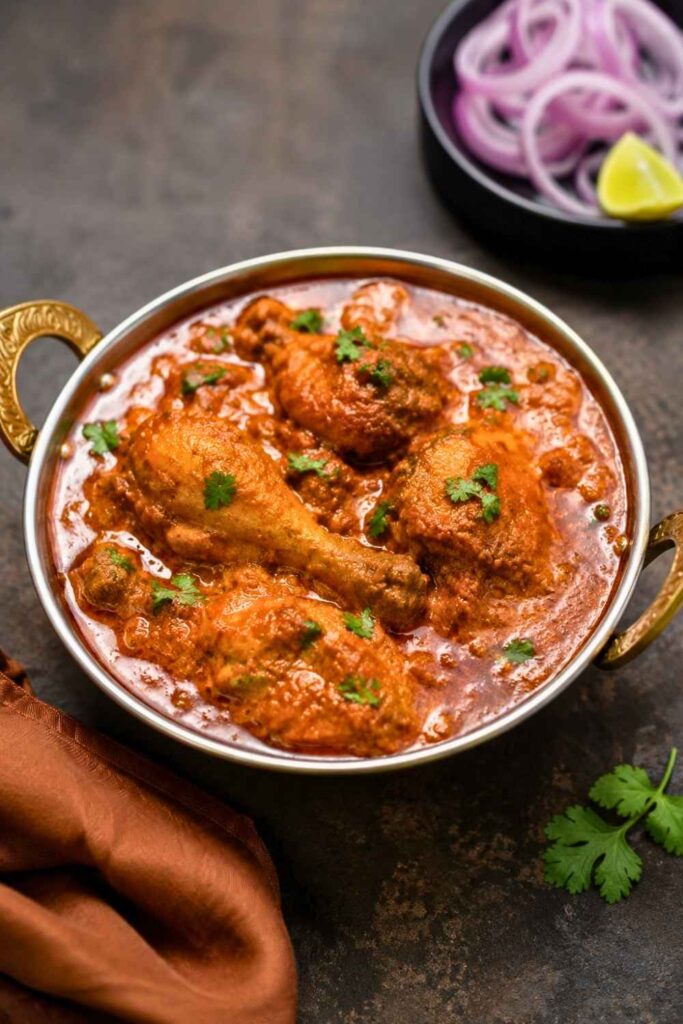
Typically richer and tomato-based.
South Indian Chicken Curry
Includes coconut and curry leaves.
Bengali Chicken Curry
Features mustard oil and potatoes.
Goan Chicken Curry
Uses coconut milk and regional spices.
Each variation reflects local culinary traditions.
Nutritional Value of Chicken Curry with Basmati Rice
This meal provides a balanced combination of nutrients.
| Nutrient | Benefit |
|---|---|
| Protein | Muscle maintenance |
| Carbohydrates | Energy production |
| Vitamins | Immune support |
| Minerals | Overall wellness |
| Healthy Fats | Satiety and flavor |
Portion control helps maintain dietary balance.
Health Benefits of Homemade Chicken Curry
Homemade preparation offers several advantages.
Better Ingredient Control
You determine the amount of salt, oil, and spices.
Fresh Ingredients
Fresh vegetables and spices improve nutritional quality.
Reduced Preservatives
Unlike many processed foods, homemade meals contain fewer additives.
Higher Protein Intake
Chicken provides essential amino acids.
Best Side Dishes to Serve
Chicken curry and rice can be enhanced with complementary sides.
Popular options include:
- Cucumber raita
- Onion salad
- Papad
- Pickles
- Mint chutney
- Fresh green salad
These additions provide contrast and freshness.
Making the Curry Creamier
Some people prefer a richer texture.
Methods include:
- Adding yogurt
- Using cream
- Incorporating coconut milk
- Blending onions and tomatoes
Each method creates a distinct flavor profile.
Meal Prep and Storage Tips
Chicken curry is excellent for meal planning.
Storage recommendations:
| Storage Method | Duration |
|---|---|
| Refrigerator | 3–4 days |
| Freezer | Up to 3 months |
| Rice Refrigerated | 2–3 days |
Proper storage maintains safety and flavor.
Reheating Without Losing Flavor
To preserve texture:
- Reheat gently on low heat
- Add a small amount of water if necessary
- Stir occasionally
- Avoid repeated reheating
These practices help retain moisture and taste.
Why Homemade Curry Tastes Better
Restaurant curries often prioritize consistency and richness.
Homemade versions offer:
- Fresh ingredients
- Personalized spice levels
- Healthier preparation
- Authentic home-style flavor
The result is a meal tailored to individual preferences.
Serving Ideas for Different Occasions
Family Dinner
Serve with rice and fresh salad.
Weekend Gathering
Offer additional sides and desserts.
Festive Celebration
Pair with naan, raita, and appetizers.
Meal Prep Lunches

Portion into containers for convenient weekday meals.
Its versatility makes it suitable for many occasions.
Tips for Restaurant-Quality Results at Home
To elevate your curry:
- Brown onions thoroughly
- Use fresh spices
- Simmer patiently
- Avoid rushing the cooking process
- Finish with fresh herbs
- Allow curry to rest before serving
These small details create exceptional flavor.
Creating a Complete Indian Dining Experience
A full Indian meal can include:
| Course | Example |
|---|---|
| Starter | Vegetable pakora |
| Main Dish | Chicken curry |
| Rice | Basmati rice |
| Side | Raita |
| Condiment | Pickle |
| Dessert | Kheer |
This combination offers a balanced and satisfying dining experience.
Key Highlights
- Chicken Curry with Basmati Rice is a classic Indian comfort meal.
- Aromatic spices create deep and complex flavors.
- Basmati rice perfectly complements rich curry gravy.
- Homemade preparation allows complete control over ingredients.
- The dish is nutritious, filling, and family-friendly.
- Multiple regional variations provide unique flavor experiences.
- Proper cooking techniques significantly enhance taste and texture.
- The meal is suitable for everyday dinners and special occasions alike.
- Excellent for meal preparation and leftovers.
- Easy customization makes it appealing to a wide range of tastes.
FAQs
What makes basmati rice different from regular rice?
Basmati rice has a distinctive aroma, long grains, and a fluffy texture that pairs exceptionally well with curry dishes.
Can I use boneless chicken for curry?
Yes. Boneless chicken cooks faster and is easier to serve, while bone-in chicken often provides deeper flavor.
How spicy should chicken curry be?
Spice levels can be adjusted according to personal preference. The recipe works well with mild, medium, or high heat.
Can chicken curry be prepared ahead of time?
Yes. In fact, many people find that the flavors become even better after resting overnight.
What vegetables can be added to chicken curry?
Potatoes, peas, carrots, bell peppers, and spinach are popular additions.
Is chicken curry healthy?
When prepared at home with fresh ingredients and moderate oil, chicken curry can be part of a balanced diet.
Can I freeze chicken curry?
Yes. Properly stored chicken curry freezes well for up to three months.
What drinks pair well with chicken curry?
Lassi, lemon water, iced tea, and sparkling water complement the meal nicely.
Why is my curry too watery?
Excess liquid or insufficient simmering may cause a thin consistency. Continue cooking uncovered to reduce the sauce.
How do I make curry thicker?
Allow it to simmer longer or use blended onions and tomatoes to naturally thicken the gravy.
Final Words
Chicken Curry with Basmati Rice represents the heart of Indian home cooking. It combines simple ingredients with carefully balanced spices to create a meal that is comforting, flavorful, and deeply satisfying. Whether served for a casual family dinner or a festive celebration, this timeless dish continues to bring people together around the dining table.
The fragrant rice, tender chicken, and rich curry sauce create a harmony of flavors that has made this combination a favorite across generations. By using fresh ingredients, proper cooking techniques, and a little patience, anyone can prepare a homemade chicken curry that rivals restaurant-quality meals.
More than just a recipe, Chicken Curry with Basmati Rice is a celebration of tradition, hospitality, and the joy of sharing good food with loved ones.