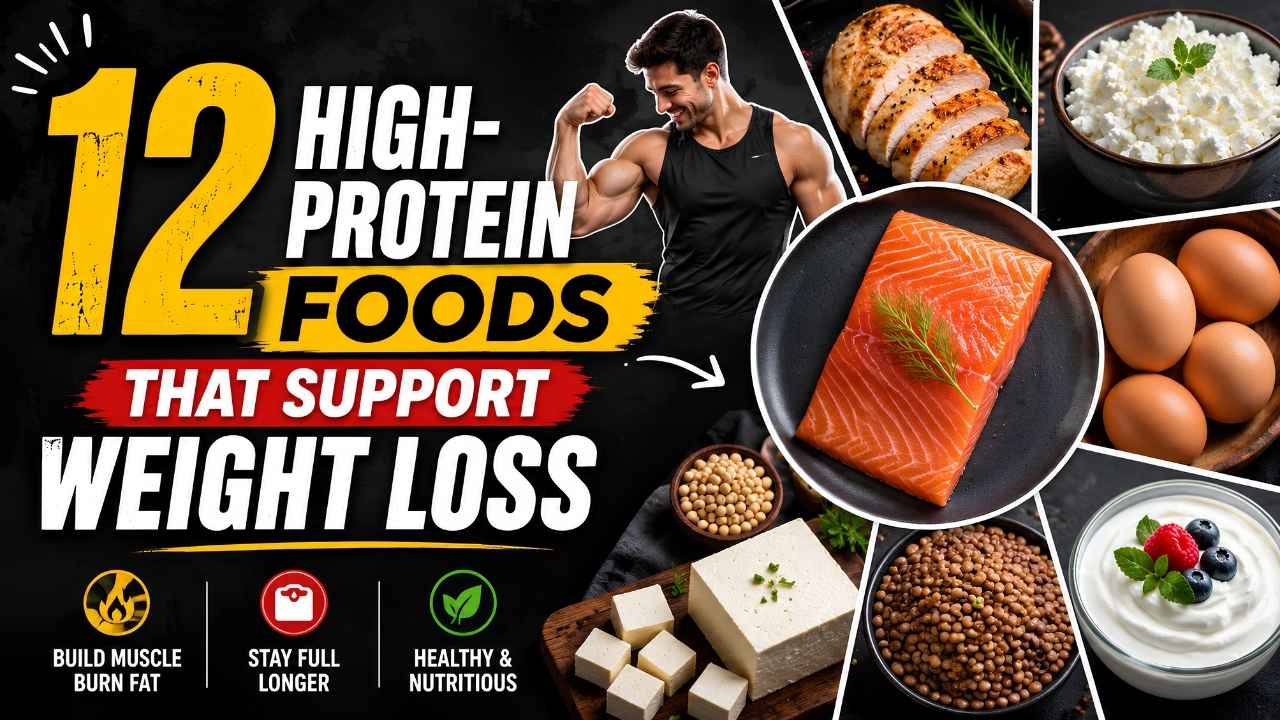
12 High-Protein Foods: Losing weight is not only about cutting calories. The quality of the foods you eat plays a major role in determining how successful your weight-loss journey will be. Among all nutrients, protein stands out as one of the most effective for supporting healthy and sustainable weight loss. It helps control hunger, preserves muscle mass, boosts metabolism, and keeps you feeling satisfied for longer periods.
Many people focus solely on reducing their food intake when trying to lose weight. However, eating the right high-protein foods can make the process easier by naturally reducing cravings and preventing overeating. Protein-rich foods require more energy to digest than fats and carbohydrates, which means your body burns more calories during the digestion process.
In this comprehensive guide, we will explore 12 high-protein foods that can help support weight loss, explain their nutritional benefits, and show you how to include them in your daily diet.
Why Protein Is Important for Weight Loss
Protein is often called the building block of life because it is essential for tissue repair, muscle growth, hormone production, and immune function. When it comes to weight management, protein offers several unique benefits.
First, protein helps regulate appetite by influencing hormones that control hunger and fullness. People who consume adequate protein often feel satisfied after meals, making it easier to avoid excess calorie intake.
Second, protein helps preserve lean muscle mass. During weight loss, the body may lose both fat and muscle. Consuming enough protein reduces muscle loss and supports a healthier body composition.
Third, protein requires more energy to digest compared to carbohydrates and fats. This process, known as the thermic effect of food, slightly increases calorie expenditure.
The following high-protein foods can be valuable additions to a weight-loss-friendly diet.
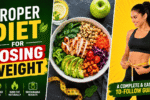
Nutritional Comparison of High-Protein Foods
| Food | Protein Per 100g | Calories Per 100g | Additional Benefits |
|---|---|---|---|
| Eggs | 13g | 155 | Rich in vitamins and minerals |
| Chicken Breast | 31g | 165 | Lean and low in fat |
| Greek Yogurt | 10g | 59 | Contains probiotics |
| Cottage Cheese | 11g | 98 | High in calcium |
| Salmon | 20g | 208 | Rich in omega-3 fatty acids |
| Tuna | 29g | 132 | Low calorie and nutrient-dense |
| Lentils | 9g | 116 | High in fiber |
| Chickpeas | 19g | 164 | Supports digestion |
| Tofu | 8g | 76 | Plant-based protein |
| Quinoa | 4g | 120 | Complete protein source |
| Almonds | 21g | 579 | Healthy fats and fiber |
| Edamame | 11g | 121 | Rich in antioxidants |
1. Eggs
Eggs are among the most nutritious foods available. They are packed with high-quality protein and contain essential nutrients such as vitamin B12, selenium, and choline.
Starting the day with eggs may help reduce calorie intake throughout the day. Research suggests that protein-rich breakfasts can increase feelings of fullness and decrease hunger later in the day.
Eggs are also versatile and affordable. Whether boiled, scrambled, poached, or incorporated into vegetable omelets, they provide a convenient way to increase protein intake without consuming excessive calories.
2. Chicken Breast
Chicken breast is a favorite among fitness enthusiasts and nutrition experts for good reason. It is one of the leanest sources of protein and contains relatively few calories.

A serving of grilled chicken breast can provide a substantial amount of protein while helping maintain muscle mass during weight loss. Because it is low in fat and carbohydrates, it fits well into many dietary approaches.
Chicken breast can be added to salads, wraps, soups, stir-fries, and meal-prep dishes, making it an easy protein source for daily meals.
3. Greek Yogurt
Greek yogurt contains significantly more protein than regular yogurt. It also provides probiotics, which support gut health and digestion.
The thick texture and high protein content make Greek yogurt highly satisfying. It can serve as a healthy breakfast, snack, or dessert alternative.
For weight loss, choose plain Greek yogurt without added sugars. Fresh fruits, nuts, seeds, or cinnamon can enhance flavor while keeping the meal nutritious.
4. Cottage Cheese
Cottage cheese is another protein-rich dairy product that deserves a place in a weight-loss diet. It is low in calories yet highly filling.
One of its standout features is its casein protein content. Casein digests slowly, helping maintain fullness over an extended period.
Cottage cheese pairs well with fruits, vegetables, herbs, and whole grains, making it a versatile ingredient for both sweet and savory meals.
5. Salmon
Salmon offers an excellent combination of high-quality protein and heart-healthy omega-3 fatty acids.
Omega-3 fats may help reduce inflammation and support overall metabolic health. Additionally, salmon’s protein content promotes satiety, helping control calorie intake.
Grilled, baked, or air-fried salmon can be paired with vegetables and whole grains for a balanced meal that supports weight management goals.
6. Tuna
Tuna is a lean and protein-dense seafood option. It contains very few calories while providing a large amount of protein.
Because tuna is highly satisfying, it can help prevent overeating and unnecessary snacking between meals.
Fresh tuna steaks and canned tuna packed in water are both convenient options for salads, sandwiches, and protein-rich snacks.
7. Lentils
Lentils are an outstanding plant-based protein source. They are also rich in dietary fiber, which promotes fullness and supports digestive health.
The combination of protein and fiber makes lentils especially beneficial for weight loss. They help stabilize blood sugar levels and keep hunger under control.
Lentils can be used in soups, curries, salads, and grain bowls, making them a practical addition to many diets.
8. Chickpeas
Chickpeas are another protein-rich legume that supports healthy weight management. They provide both protein and fiber, creating a satisfying combination that can help reduce calorie intake.
Regular consumption of chickpeas may improve appetite control and support digestive health.
Roasted chickpeas make a nutritious snack, while hummus and chickpea salads offer delicious meal options.
9. Tofu
Tofu is a popular protein source among vegetarians and vegans. Made from soybeans, it contains essential amino acids and provides a good amount of protein with relatively few calories.
Tofu easily absorbs flavors from spices and marinades, making it highly versatile in cooking.
It can be grilled, baked, stir-fried, or blended into smoothies and desserts for an extra protein boost.
10. Quinoa
Unlike many plant foods, quinoa is considered a complete protein because it contains all nine essential amino acids.
Quinoa also provides fiber, magnesium, iron, and antioxidants, contributing to overall health while supporting weight-loss efforts.
It works well as a substitute for refined grains and can be used in salads, side dishes, and meal bowls.
11. Almonds
Almonds offer a combination of protein, healthy fats, and fiber that promotes satiety.
Although almonds are calorie-dense, moderate portions can support weight loss by helping reduce hunger and preventing unhealthy snacking.
A small handful of almonds can serve as a convenient snack between meals or be added to yogurt, oatmeal, and salads.
12. Edamame
Edamame consists of young soybeans harvested before they fully mature. These beans provide an impressive amount of plant-based protein along with fiber and antioxidants.
Because edamame is filling and nutrient-dense, it can help support calorie control and overall dietary quality.
Steamed edamame makes an excellent snack or side dish and can easily be incorporated into salads and grain bowls.
How to Include More Protein in Your Diet
Increasing protein intake does not require drastic dietary changes. Small adjustments can make a significant difference.
- Include a protein source with every meal.
- Choose Greek yogurt instead of sugary snacks.
- Add eggs to breakfast.
- Replace refined carbohydrates with legumes.
- Snack on almonds or edamame.
- Include lean meats or fish in lunch and dinner.
- Use tofu or quinoa in plant-based meals.
- Prepare protein-rich meals in advance to avoid unhealthy choices.
Common Mistakes to Avoid
Many people unknowingly make mistakes that limit the effectiveness of a high-protein diet.
Skipping Breakfast
Missing breakfast often leads to increased hunger later in the day and poor food choices.
Choosing Highly Processed Protein Foods
Not all protein-rich foods are equally healthy. Processed meats often contain excess sodium and unhealthy additives.
Ignoring Portion Control
Even healthy foods can contribute to weight gain when consumed in excessive amounts.
Neglecting Physical Activity
Protein works best when combined with regular exercise, especially strength training.
Drinking Sugary Beverages
Sugary drinks can add significant calories and undermine weight-loss efforts.
Sample High-Protein Weight Loss Meal Plan
| Meal | Food Choices |
| Breakfast | Greek yogurt with berries and almonds |
| Mid-Morning Snack | Boiled eggs |
| Lunch | Grilled chicken breast with vegetables and quinoa |
| Evening Snack | Roasted chickpeas |
| Dinner | Baked salmon with steamed vegetables |
| Late Snack | Cottage cheese with fresh fruit |
Benefits of Combining Protein with Exercise
Protein intake and exercise complement each other perfectly. Resistance training stimulates muscle growth, while protein provides the building blocks needed for recovery and maintenance.
Benefits include:
- Better fat loss results
- Improved muscle retention
- Enhanced metabolism
- Faster workout recovery
- Greater physical strength
- Improved body composition
Individuals who combine a high-protein diet with regular exercise often achieve more sustainable and long-lasting weight-loss results.
Key Highlights
- Protein helps increase satiety and reduce hunger.
- High-protein foods support muscle maintenance during weight loss.
- Protein has a higher thermic effect compared to fats and carbohydrates.
- Including protein in every meal may reduce unhealthy snacking.
- Both animal-based and plant-based protein sources can support weight-loss goals.
- Balanced nutrition combined with regular physical activity delivers the best results.
Final Words
Protein is one of the most powerful nutrients for supporting healthy and sustainable weight loss. It helps reduce hunger, improves satiety, preserves lean muscle mass, and slightly increases calorie burning through digestion. By including high-quality protein sources such as eggs, chicken breast, Greek yogurt, cottage cheese, salmon, tuna, lentils, chickpeas, tofu, quinoa, almonds, and edamame, you can create a balanced eating plan that promotes long-term success.
Remember that no single food can magically cause weight loss. The best results come from combining a protein-rich diet with portion control, regular physical activity, adequate hydration, and healthy lifestyle habits. When these elements work together, achieving and maintaining a healthy weight becomes much more manageable and sustainable.
FAQs
1. How much protein should I eat for weight loss?
Protein requirements vary based on age, activity level, and body weight. Many experts recommend consuming between 1.2 and 2.0 grams of protein per kilogram of body weight when trying to lose weight.
2. Can eating too much protein cause weight gain?
Protein itself does not automatically cause weight gain. However, consuming more calories than your body needs from any source can lead to weight gain.
3. Are plant-based proteins effective for weight loss?
Yes. Foods such as lentils, chickpeas, tofu, edamame, and quinoa provide valuable protein and fiber that support weight management.
4. Is protein powder necessary for weight loss?
Protein powder can be convenient, but it is not essential. Most people can meet their protein needs through whole foods.
5. Which protein-rich food is best for breakfast?
Eggs and Greek yogurt are among the best breakfast choices because they are filling, nutritious, and easy to prepare.
6. Does protein reduce belly fat?
Protein supports overall fat loss by promoting fullness and preserving muscle mass. Spot reduction is not possible, but a high-protein diet can contribute to total body fat reduction.
7. Can vegetarians get enough protein?
Absolutely. Lentils, chickpeas, tofu, edamame, quinoa, dairy products, and nuts provide excellent protein sources for vegetarians.
8. How often should I eat protein?
Distributing protein evenly throughout the day may improve muscle maintenance and appetite control.