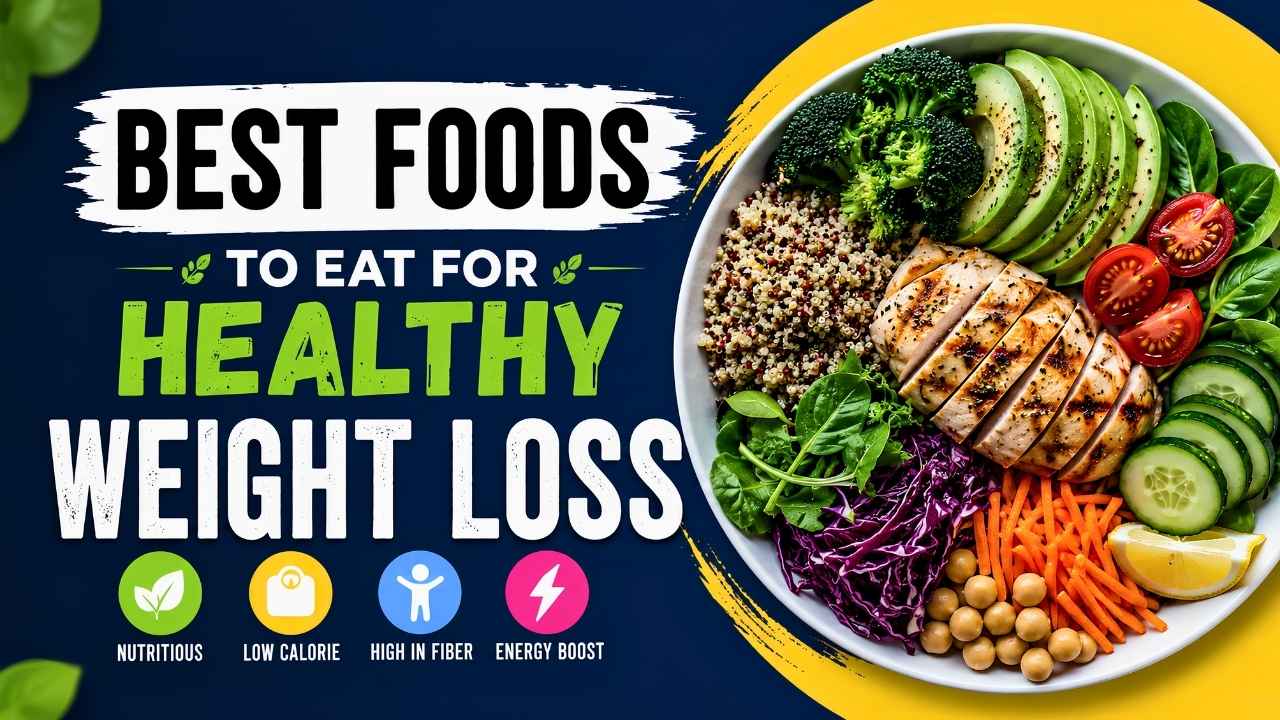
Best Foods to Eat: Losing weight is one of the most common health goals worldwide, but the process often feels confusing because of the endless diet trends, quick-fix solutions, and misleading nutrition advice available online. While many people focus on cutting calories drastically, true and sustainable weight loss depends on making smarter food choices rather than simply eating less.
The foods you choose every day can significantly influence your metabolism, hunger levels, energy balance, and overall health. Certain foods naturally help you feel fuller for longer, reduce cravings, support muscle maintenance, and provide essential nutrients without adding excessive calories. These foods create a calorie deficit naturally while ensuring your body receives the nourishment it needs.
Healthy weight loss is not about starvation, skipping meals, or following extreme diets. Instead, it is about building a balanced eating pattern that includes nutrient-dense foods that satisfy your hunger and support long-term wellness.
In this guide, we will explore the best foods to eat for healthy weight loss, understand why they work, and learn how to include them in your daily diet effectively.
Why Food Quality Matters More Than Calorie Counting
Many people believe that weight loss is only about calories. While calorie balance is important, food quality plays an equally important role.
For example, 300 calories from sugary snacks affect your body differently than 300 calories from vegetables, lean protein, and whole grains. Nutrient-rich foods help regulate hunger hormones, stabilize blood sugar levels, and provide sustained energy throughout the day.
Choosing high-quality foods can:
- Reduce unnecessary snacking
- Improve digestion
- Increase satiety
- Support muscle preservation
- Enhance metabolism
- Improve overall health
This is why focusing on nutritious foods is often more effective than obsessively counting every calorie.
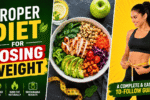
Nutritional Characteristics of Weight-Loss-Friendly Foods
The best foods for healthy weight loss typically share several characteristics:
| Characteristic | Benefits for Weight Loss |
|---|---|
| High Protein | Increases fullness and preserves muscle mass |
| High Fiber | Slows digestion and reduces hunger |
| Low Energy Density | Provides fewer calories per serving |
| Rich in Nutrients | Supports overall health during weight loss |
| Minimally Processed | Helps control calorie intake naturally |
| Low Added Sugar | Prevents energy crashes and cravings |
When selecting foods, prioritize these characteristics for better results.
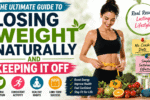
Eggs
Eggs are among the most nutritious foods available and are highly effective for weight loss.
They contain high-quality protein that helps keep you full for longer periods. Starting the day with eggs may reduce calorie intake throughout the day because protein influences hunger hormones positively.

Eggs also provide essential nutrients including:
- Vitamin B12
- Vitamin D
- Choline
- Selenium
- Healthy fats
Ways to enjoy eggs:
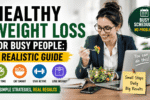
- Boiled eggs
- Vegetable omelets
- Scrambled eggs
- Egg muffins
Because they are affordable and versatile, eggs remain one of the best choices for healthy weight management.
Lean Chicken Breast
Chicken breast is a popular food among people trying to lose weight because it is rich in protein and relatively low in calories.
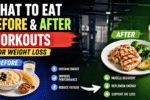
Protein requires more energy to digest compared to fats and carbohydrates. This process increases the thermic effect of food, helping the body burn slightly more calories.
Benefits include:
- High satiety
- Muscle preservation
- Easy meal preparation
- Low fat content
Pair grilled chicken with vegetables and whole grains for a balanced meal.
Fish and Seafood
Fish provides high-quality protein along with healthy omega-3 fatty acids.

Fatty fish varieties include:
- Salmon
- Sardines
- Mackerel
- Tuna
- Trout
Omega-3 fats support heart health and may help regulate appetite. Fish also provides iodine, an important mineral that supports thyroid function and metabolism.
Aim to consume fish at least twice per week as part of a healthy eating plan.
Greek Yogurt
Greek yogurt is an excellent snack for weight loss because it combines protein, calcium, and probiotics.
Compared to regular yogurt, Greek yogurt generally contains:
- More protein
- Less sugar
- Greater satiety
Probiotics may also support gut health, which can influence weight management and digestion.
Choose plain, unsweetened varieties and add fresh fruits for natural sweetness.
Cottage Cheese
Cottage cheese is another protein-rich dairy option that supports weight loss goals.
It contains:
- Casein protein
- Calcium
- Phosphorus
- Vitamin B12
Casein digests slowly, helping you feel full longer and reducing nighttime hunger.
Cottage cheese works well as:
- A breakfast option
- A snack
- A post-workout meal
Leafy Green Vegetables
Leafy greens are extremely low in calories while providing impressive nutritional value.
Examples include:
- Spinach
- Kale
- Lettuce
- Swiss chard
- Arugula
These vegetables contain:
- Fiber
- Vitamins
- Minerals
- Antioxidants
Because they have high water content, they add volume to meals without significantly increasing calories.
Broccoli and Cruciferous Vegetables
Cruciferous vegetables are highly recommended for healthy weight loss.
Popular choices include:
- Broccoli
- Cauliflower
- Brussels sprouts
- Cabbage
These vegetables offer a powerful combination of:
- Fiber
- Water
- Plant compounds
- Moderate protein
They are filling, nutritious, and easy to include in various meals.
Oats
Oats are among the healthiest whole grains available.
They contain beta-glucan, a soluble fiber that helps:
- Increase fullness
- Improve digestion
- Stabilize blood sugar
- Support heart health
A bowl of oatmeal topped with fruits and nuts can provide long-lasting energy and help control appetite throughout the morning.
Whole Grains
Whole grains are generally more filling than refined grains.
Good options include:
- Brown rice
- Quinoa
- Whole wheat
- Barley
- Millet
These grains retain more nutrients and fiber, helping you stay satisfied longer while providing steady energy.
Portion control remains important, but whole grains can fit well into a balanced weight-loss diet.
Beans and Legumes
Beans and legumes are excellent plant-based foods for weight loss.
Examples include:
- Lentils
- Chickpeas
- Black beans
- Kidney beans
- Peas
Benefits include:
- High protein
- High fiber
- Low fat
- Budget-friendly nutrition
They digest slowly and promote long-lasting fullness, making them valuable additions to meals.
Fruits
Contrary to popular myths, fruits can support healthy weight loss.
Whole fruits provide:
- Fiber
- Water
- Vitamins
- Antioxidants
Best fruits for weight loss include:
- Apples
- Berries
- Pears
- Oranges
- Grapefruit
Whole fruits are generally much more filling than fruit juices and contain fewer calories per serving.
Apples
Apples deserve special attention because they are particularly effective for weight management.
They contain:
- Soluble fiber
- Water
- Natural sweetness
Eating an apple before a meal may help reduce overall calorie intake while satisfying sweet cravings naturally.
Berries
Berries are among the most nutrient-dense fruits available.
Popular varieties include:
- Strawberries
- Blueberries
- Blackberries
- Raspberries
They are relatively low in calories and rich in antioxidants that support overall health.
Berries make an excellent addition to yogurt, oatmeal, or smoothies.
Avocados
Although avocados are higher in calories than many fruits, they contain healthy fats that promote fullness.
Avocados provide:
- Monounsaturated fats
- Fiber
- Potassium
- Vitamins
When consumed in moderation, they can help reduce hunger and improve meal satisfaction.
Nuts
Nuts are nutrient-dense foods that can support weight loss when eaten in controlled portions.
Healthy choices include:
- Almonds
- Walnuts
- Pistachios
- Cashews
Benefits include:
- Healthy fats
- Protein
- Fiber
- Important minerals
A small handful of nuts can make a satisfying snack that helps prevent overeating later.
Chia Seeds
Chia seeds are tiny nutritional powerhouses.
They contain:
- Fiber
- Protein
- Omega-3 fats
- Antioxidants
When mixed with liquid, chia seeds absorb water and expand, helping increase feelings of fullness.
They can be added to:
- Smoothies
- Yogurt
- Oatmeal
- Puddings
Soups
Research consistently shows that broth-based soups can support weight loss.
Soups often:
- Increase fullness
- Reduce calorie intake
- Add hydration
- Provide vegetables
Vegetable-based soups are especially beneficial when consumed before meals.
Sweet Potatoes
Sweet potatoes are a nutritious carbohydrate source that supports weight management.
They provide:
- Fiber
- Vitamin A
- Potassium
- Complex carbohydrates
Their natural sweetness can also help satisfy cravings for sugary foods.
Green Tea
Although not technically a food, green tea deserves mention due to its potential role in weight management.
Green tea contains compounds that may:
- Support metabolism
- Increase fat oxidation
- Provide antioxidants
Replacing sugary beverages with green tea can reduce calorie intake significantly.
Foods to Avoid During Weight Loss
While no food must be completely banned, some foods can make weight loss more difficult when consumed excessively.
These include:
| Food Category | Why It Can Be Problematic |
| Sugary Drinks | High calories with little satiety |
| Candy and Sweets | Promote cravings and overeating |
| Refined Carbohydrates | Cause rapid blood sugar spikes |
| Fast Food | Often high in calories and unhealthy fats |
| Processed Snacks | Easy to overconsume |
| Excessive Alcohol | Adds empty calories |
Moderation is key rather than complete restriction.
Sample Healthy Weight Loss Meal Plan
| Meal | Food Options |
| Breakfast | Oatmeal with berries and Greek yogurt |
| Mid-Morning Snack | Apple and almonds |
| Lunch | Grilled chicken, vegetables, and brown rice |
| Afternoon Snack | Cottage cheese with berries |
| Dinner | Salmon with broccoli and sweet potato |
| Evening Option | Herbal tea |
This balanced approach supports satiety and nutrient intake throughout the day.
Additional Tips for Successful Weight Loss
Healthy weight loss involves more than food choices alone.
Important habits include:
- Drinking enough water
- Getting quality sleep
- Managing stress
- Exercising regularly
- Eating mindfully
- Avoiding emotional eating
- Practicing portion control
Small consistent changes often produce better long-term results than extreme diets.
Key Highlights
- Protein-rich foods help reduce hunger and preserve muscle.
- Fiber-rich foods increase fullness and support digestion.
- Whole foods are generally more effective than processed foods for weight loss.
- Fruits and vegetables provide nutrients with relatively few calories.
- Healthy fats from avocados, nuts, and seeds can improve satiety.
- Broth-based soups may help reduce overall calorie intake.
- Whole grains offer sustained energy and improved fullness.
- Consistency and balance are more important than restrictive dieting.
- Weight loss should focus on long-term lifestyle changes rather than quick fixes.
- Combining healthy eating with exercise and good sleep produces the best results.
Final Words
Healthy weight loss does not require complicated diets or expensive supplements. The foundation of sustainable weight management lies in choosing nutrient-dense foods that naturally keep you satisfied while supporting overall health. Foods rich in protein, fiber, vitamins, and healthy fats can make the weight-loss journey easier and more enjoyable.
Instead of focusing solely on what you should eliminate, concentrate on adding more wholesome foods such as vegetables, fruits, lean proteins, whole grains, legumes, and healthy fats to your daily meals. Over time, these choices can help create lasting habits that support both weight loss and long-term wellness.
Remember that successful weight loss is a gradual process. Consistency, patience, and balanced nutrition will always outperform extreme diets and temporary solutions.
FAQs
1. What is the best food for healthy weight loss?
There is no single best food, but protein-rich foods such as eggs, chicken breast, fish, Greek yogurt, and legumes are among the most effective because they increase fullness and reduce hunger.
2. Can I eat fruits while trying to lose weight?
Yes. Whole fruits are rich in fiber, vitamins, and water, making them an excellent addition to a healthy weight-loss plan.
3. Are carbohydrates bad for weight loss?
No. Whole-food carbohydrate sources such as oats, brown rice, quinoa, and sweet potatoes can support weight loss when consumed in appropriate portions.
4. How much protein should I eat for weight loss?
Protein needs vary by individual, but increasing protein intake generally helps improve satiety and preserve muscle during weight loss.
5. Can healthy fats help with weight loss?
Yes. Healthy fats from avocados, nuts, seeds, and fatty fish can increase fullness and support overall health when consumed in moderation.
6. Is skipping meals a good strategy for losing weight?
Skipping meals can increase hunger and may lead to overeating later. Balanced meals throughout the day are often more sustainable.
7. Which drinks are best for weight loss?
Water, green tea, black coffee without added sugar, and herbal teas are generally among the best beverage choices.
8. How quickly should I lose weight?
A gradual and steady approach is generally considered healthier and easier to maintain than rapid weight-loss methods.
9. Are nuts fattening?
Nuts are calorie-dense but highly nutritious. Moderate portions can support weight management because they promote fullness.
10. What is the most important factor for long-term weight loss success?
Consistency. Building sustainable eating habits and maintaining a healthy lifestyle over time is the most important factor for lasting results.