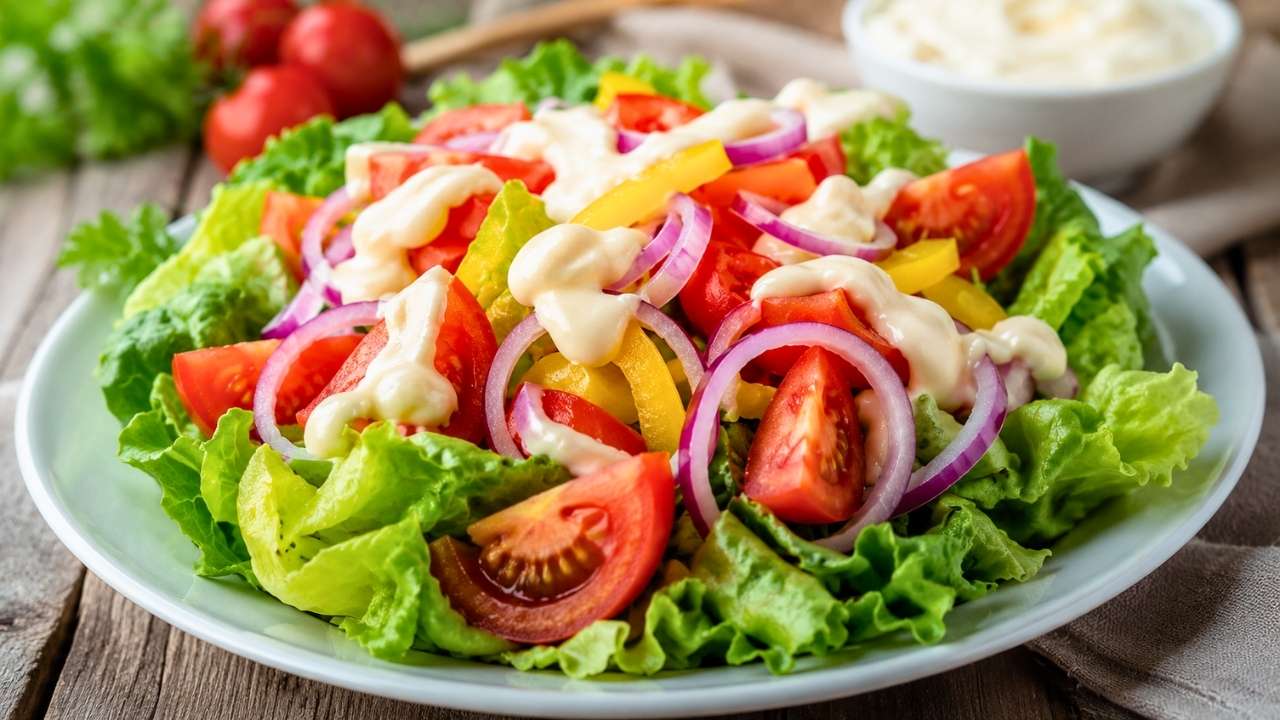
Fresh and Colorful Garden Salad A fresh garden salad is one of the simplest yet most satisfying meals you can prepare at home. Packed with colorful vegetables, natural flavors, essential nutrients, and a delightful crunch, this healthy homemade vegetable salad is perfect for lunch or dinner. Whether you are looking for a light meal, a nutritious side dish, or a refreshing addition to your weekly menu, a garden salad offers endless possibilities.
The beauty of a garden salad lies in its versatility. You can create a unique combination of vegetables, herbs, toppings, and dressings based on your personal preferences and seasonal availability. Every bowl becomes a celebration of freshness, color, and flavor.

Served on a rustic wooden table, a vibrant garden salad not only tastes delicious but also looks visually appealing. Bright red tomatoes, crisp green lettuce, crunchy cucumbers, colorful bell peppers, and sweet carrots come together to create a dish that is both nourishing and attractive.
In today’s health-conscious world, more people are choosing homemade salads over processed foods. A well-prepared garden salad provides vitamins, minerals, antioxidants, and fiber while remaining naturally low in calories. It is a smart choice for anyone seeking a balanced lifestyle without sacrificing taste.

Why Garden Salad Is a Perfect Meal Choice
Garden salads have become a favorite among health enthusiasts, busy professionals, fitness lovers, and families alike. Their popularity comes from their ability to deliver excellent nutrition with minimal preparation.
Some major benefits include:

- Rich in vitamins and minerals
- Naturally low in calories
- High in dietary fiber
- Supports digestive health
- Easy to customize
- Quick to prepare
- Suitable for lunch or dinner
- Helps maintain healthy weight
- Refreshing and hydrating
Unlike many heavy meals, a garden salad leaves you feeling energized rather than sluggish. The abundance of fresh vegetables helps provide long-lasting nourishment while keeping meals light and enjoyable.
Essential Ingredients for a Fresh Garden Salad
The foundation of every great garden salad starts with fresh ingredients. Choosing high-quality vegetables makes a noticeable difference in both taste and texture.

| Ingredient | Purpose in Salad | Nutritional Benefit |
|---|---|---|
| Lettuce | Base ingredient | Rich in vitamins A and K |
| Cucumber | Adds freshness | Hydrating and low calorie |
| Tomato | Adds sweetness and color | Rich in antioxidants |
| Carrot | Adds crunch | High in beta-carotene |
| Bell Pepper | Adds vibrant color | Excellent source of vitamin C |
| Red Onion | Adds flavor depth | Contains antioxidants |
| Radish | Adds peppery taste | Supports digestion |
| Fresh Herbs | Enhances aroma | Contains beneficial nutrients |
Combining these ingredients creates a balanced salad that is colorful, flavorful, and nutritious.
Choosing the Freshest Vegetables
The quality of your vegetables directly affects the final result. Fresh produce offers superior taste, texture, and nutritional value.

When selecting vegetables:
- Choose lettuce with crisp leaves
- Avoid wilted greens
- Pick firm cucumbers
- Select brightly colored peppers
- Use ripe but firm tomatoes
- Choose carrots without soft spots
- Look for fresh herbs with vibrant leaves
Seasonal vegetables often provide the best flavor and value. Shopping at local farmers’ markets can help you find freshly harvested produce that enhances your salad experience.
Preparing Vegetables Properly
Proper preparation ensures every ingredient contributes to the overall texture and flavor of the salad.
Washing the Vegetables
Always wash vegetables thoroughly under cool running water. This helps remove dirt, dust, and unwanted residues.
Drying the Greens
Excess moisture can dilute salad dressing and make the salad soggy. Use a salad spinner or clean kitchen towel to dry lettuce and herbs completely.
Cutting Techniques
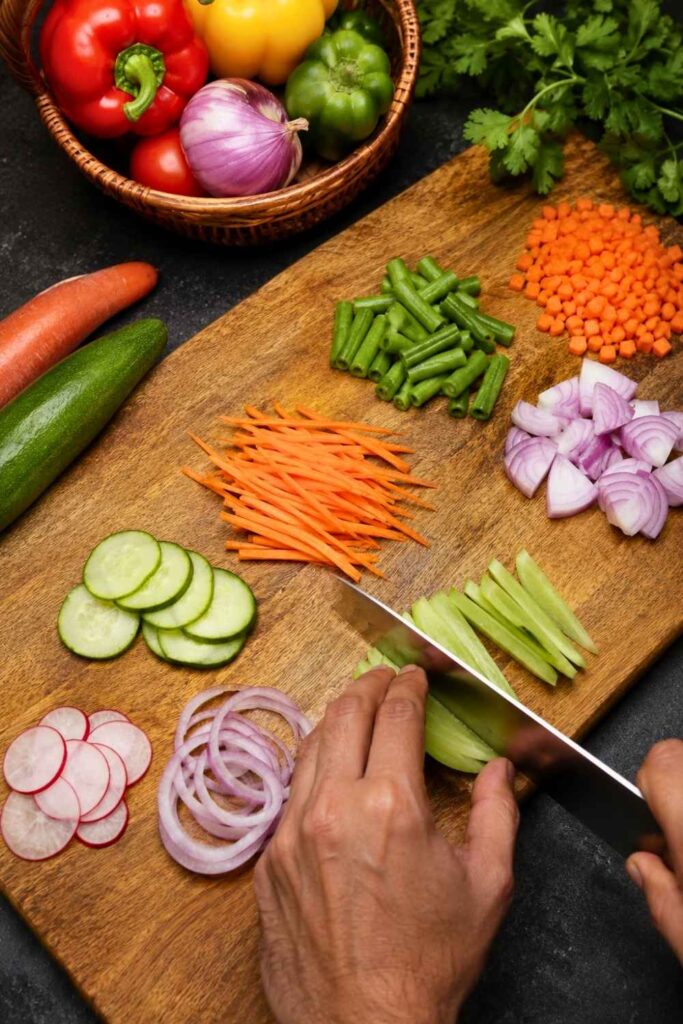
Different cuts create different textures.
- Lettuce: Tear into bite-sized pieces
- Cucumber: Slice thinly
- Tomatoes: Cut into wedges or chunks
- Carrots: Julienne or grate
- Bell peppers: Thin strips
- Onions: Thin slices
Uniform cutting improves presentation and ensures every bite contains a balanced mix of ingredients.
Step-by-Step Homemade Garden Salad Recipe
Ingredients
- 4 cups mixed lettuce
- 1 cucumber sliced
- 2 tomatoes chopped
- 1 carrot grated
- 1 bell pepper sliced
- 1 small red onion thinly sliced
- Fresh parsley or cilantro
- Salt to taste
- Black pepper to taste
Simple Dressing
- 3 tablespoons olive oil
- 1 tablespoon lemon juice
- 1 teaspoon honey
- Salt and pepper
Instructions
- Wash and dry all vegetables thoroughly.
- Prepare vegetables according to desired cuts.
- Place lettuce in a large bowl.
- Add cucumber, tomato, carrot, bell pepper, and onion.
- Mix dressing ingredients in a small bowl.
- Pour dressing over vegetables.
- Toss gently until evenly coated.
- Garnish with fresh herbs.
- Serve immediately.
This simple recipe creates a refreshing salad suitable for any meal of the day.

The Importance of Color in a Garden Salad
Colorful vegetables are not only visually appealing but also indicate a variety of nutrients.
Green Vegetables
Green vegetables often contain chlorophyll, folate, and vitamin K.
Examples include:
- Lettuce
- Spinach
- Cucumber
- Parsley
Red Vegetables
Red vegetables are rich in powerful antioxidants.
Examples include:
- Tomatoes
- Red bell peppers
- Radishes
Orange Vegetables
Orange vegetables provide beta-carotene, which supports eye health.
Examples include:
- Carrots
- Orange peppers
Purple Vegetables
Purple vegetables contain anthocyanins that may support overall wellness.
Examples include:
- Purple cabbage
- Red onions
A colorful salad typically offers a wider range of nutrients than one made from only a few ingredients.
Best Homemade Salad Dressings
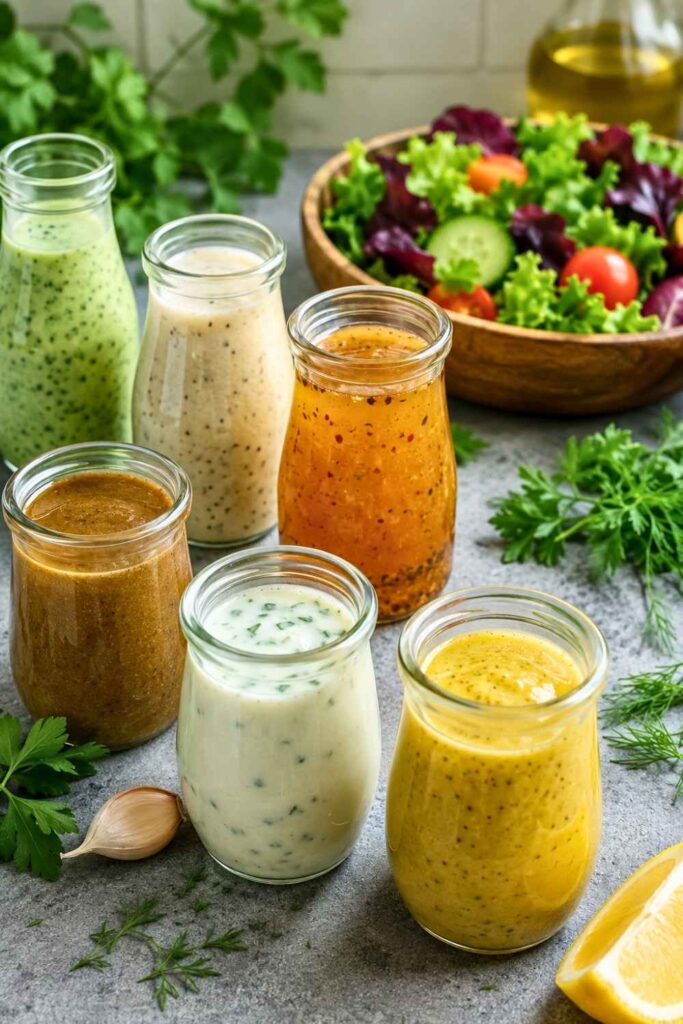
The dressing can transform a simple bowl of vegetables into an unforgettable meal.
Lemon Olive Oil Dressing
A classic combination that enhances natural vegetable flavors.
Ingredients:
- Olive oil
- Lemon juice
- Salt
- Black pepper
Honey Mustard Dressing
A sweet and tangy option.
Ingredients:
- Honey
- Dijon mustard
- Olive oil
- Lemon juice
Yogurt Herb Dressing
Creamy yet light.
Ingredients:
- Plain yogurt
- Garlic
- Herbs
- Lemon juice
Balsamic Vinaigrette
A rich and flavorful dressing.
Ingredients:
- Balsamic vinegar
- Olive oil
- Honey
- Pepper
Homemade dressings allow complete control over ingredients and eliminate unnecessary preservatives.
Protein Additions for a Complete Meal
While garden salads are nutritious on their own, adding protein can transform them into a satisfying main course.
| Protein Source | Benefits |
|---|---|
| Grilled Chicken | High-quality lean protein |
| Boiled Eggs | Rich in nutrients |
| Chickpeas | Plant-based protein |
| Tofu | Vegetarian-friendly |
| Beans | High fiber and protein |
| Tuna | Rich in omega-3 fats |
| Cottage Cheese | Protein-rich and creamy |
Protein helps improve satiety and makes the salad suitable as a complete lunch or dinner.
Seasonal Variations of Garden Salad
One of the greatest advantages of homemade salads is their adaptability throughout the year.
Spring Garden Salad
Fresh peas, radishes, and tender greens create a light seasonal salad.
Summer Garden Salad
Tomatoes, cucumbers, and peppers shine during warmer months.
Autumn Garden Salad
Roasted squash, apples, and leafy greens add seasonal warmth.
Winter Garden Salad
Cabbage, kale, carrots, and citrus fruits provide color and nutrition during colder months.
Seasonal ingredients keep salads exciting while maximizing flavor and freshness.
Common Mistakes to Avoid
Even simple salads can be improved by avoiding a few common errors.
Using Wilted Vegetables
Fresh ingredients create better flavor and texture.
Overdressing
Too much dressing can overpower vegetables.
Poor Ingredient Balance
A variety of textures and flavors creates a more enjoyable salad.
Preparing Too Early
Salads are best enjoyed fresh to maintain crispness.
Skipping Seasoning
A small amount of salt and pepper can significantly enhance flavor.
Nutritional Value of Garden Salad
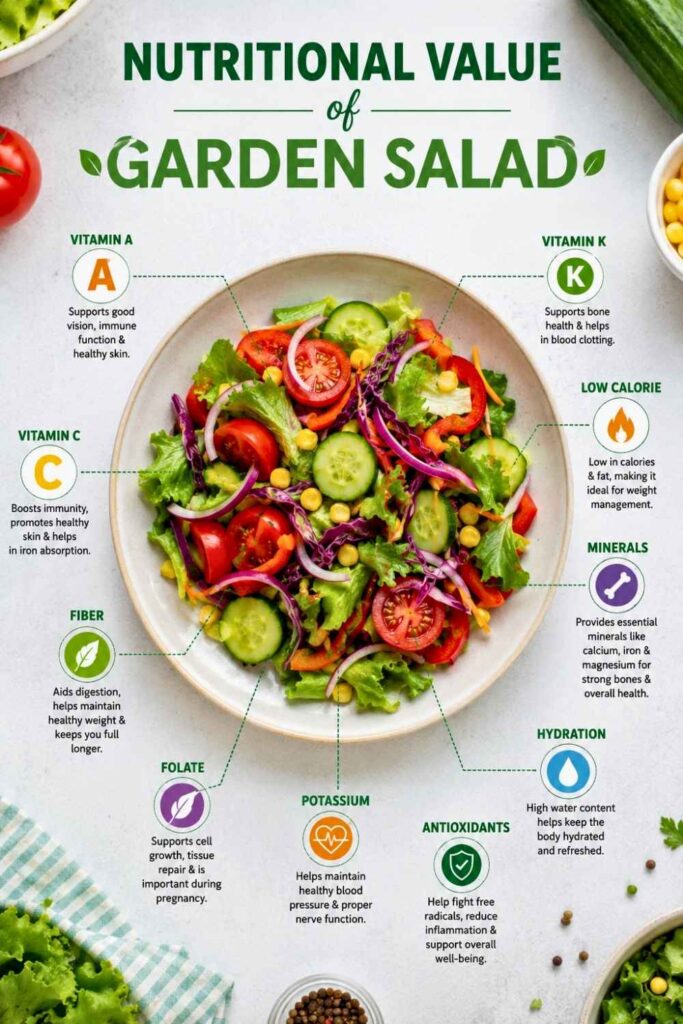
The exact nutritional profile depends on ingredients, but a typical serving provides excellent health benefits.
| Nutrient | Approximate Benefit |
|---|---|
| Fiber | Supports digestion |
| Vitamin A | Supports vision |
| Vitamin C | Supports immunity |
| Vitamin K | Supports bone health |
| Potassium | Supports heart health |
| Antioxidants | Help protect cells |
Because garden salads are nutrient-dense and relatively low in calories, they fit well into many healthy eating plans.
Key Highlights
- Easy and quick homemade recipe
- Packed with vitamins and minerals
- Naturally low in calories
- Perfect for lunch or dinner
- Highly customizable
- Supports healthy digestion
- Rich in fiber and antioxidants
- Works well as a side dish or main meal
- Suitable for various dietary preferences
- Delicious, colorful, and refreshing
FAQs
What is the best lettuce for a garden salad?
Romaine, green leaf lettuce, butter lettuce, and mixed greens are all excellent choices.
Can I prepare garden salad in advance?
You can prepare vegetables ahead of time, but combine them and add dressing just before serving.
Which dressing is healthiest?
A simple olive oil and lemon juice dressing is often considered one of the healthiest options.
How long does homemade garden salad stay fresh?
Undressed salad can stay fresh in the refrigerator for one to two days when stored properly.
Can garden salad help with weight management?
Yes. Garden salads are generally low in calories and high in fiber, making them a filling and nutritious meal option.
Final Words
A fresh and colorful garden salad is one of the easiest ways to enjoy wholesome nutrition without spending hours in the kitchen. With crisp vegetables, vibrant colors, refreshing flavors, and endless customization possibilities, this healthy homemade vegetable salad deserves a place in every meal plan. Whether served as a light lunch, a satisfying dinner, or a side dish alongside your favorite entrée, a well-made garden salad delivers freshness, nourishment, and enjoyment in every bite. By choosing quality ingredients, experimenting with seasonal produce, and preparing simple homemade dressings, you can create a delicious salad that supports both health and flavor every day.