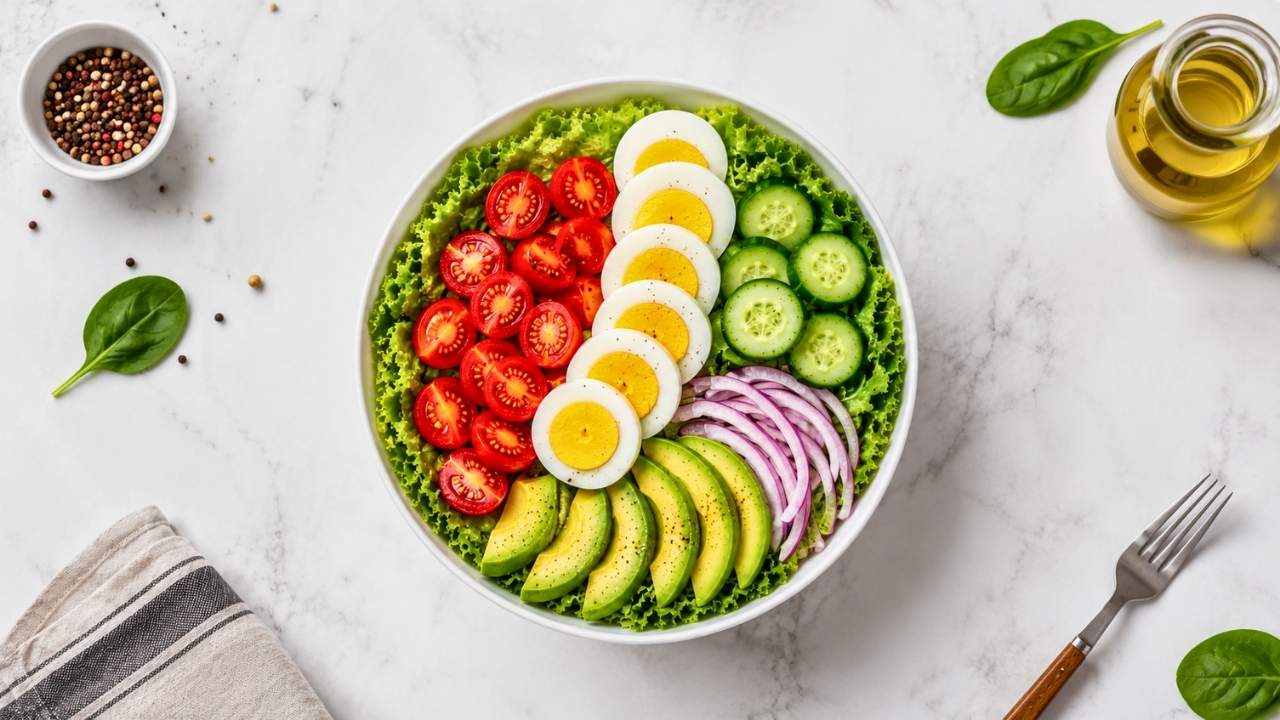
Healthy Salad Bowl: A healthy salad bowl is much more than a simple combination of vegetables. It is a colorful, nutrient-rich meal that delivers essential vitamins, minerals, fiber, healthy fats, and proteins in a single serving. As modern lifestyles become increasingly busy, many people are searching for meals that are quick to prepare, delicious to eat, and beneficial for long-term health. A fresh and vibrant salad bowl perfectly meets these requirements.
The beauty of a salad bowl lies in its versatility. Whether you prefer leafy greens, crunchy vegetables, juicy fruits, lean proteins, whole grains, or flavorful dressings, a salad bowl can be customized to suit individual tastes and nutritional needs. It can serve as a light lunch, a satisfying dinner, a post-workout meal, or even a refreshing side dish.
Healthy salad bowls have become popular worldwide because they combine nutrition and flavor without compromising either. By using fresh ingredients and creative combinations, anyone can transform a simple bowl of vegetables into a culinary masterpiece that supports overall wellness.
This guide explores everything you need to know about creating the perfect healthy salad bowl, from ingredient selection and nutritional benefits to preparation techniques and serving ideas.
Why Healthy Salad Bowls Are Important
Healthy eating is one of the most effective ways to improve physical and mental well-being. Salad bowls contribute significantly to a balanced diet because they contain a variety of food groups in one meal.
Fresh vegetables provide vitamins and antioxidants that help protect the body from cellular damage. Fruits contribute natural sweetness and important nutrients. Proteins support muscle growth and repair, while healthy fats improve nutrient absorption and promote heart health.
A well-balanced salad bowl offers several benefits:
- Supports healthy weight management
- Improves digestion through dietary fiber
- Provides long-lasting energy
- Enhances immune system function
- Promotes healthy skin and hair
- Helps maintain heart health
- Reduces the risk of chronic diseases
Unlike processed foods, fresh salad ingredients deliver natural nutrition without excessive calories, unhealthy fats, or artificial additives.
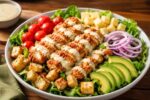
Essential Components of a Perfect Salad Bowl
Creating a satisfying salad bowl requires a balance of textures, flavors, and nutrients. The following components form the foundation of a nutritious meal.
Leafy Greens
Leafy greens are typically the base of any salad bowl. They provide volume, fiber, and essential nutrients while remaining low in calories.
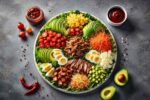
Popular options include:
- Spinach
- Romaine lettuce
- Kale
- Arugula
- Mixed greens
- Butter lettuce
These greens are rich in vitamins A, C, and K, as well as minerals such as calcium and iron.
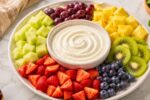
Colorful Vegetables
Adding colorful vegetables enhances both visual appeal and nutritional value.
Examples include:
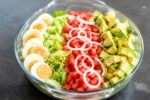
- Tomatoes
- Cucumbers
- Bell peppers
- Carrots
- Red cabbage
- Radishes
- Broccoli
- Cauliflower
Different colors often indicate different nutrients and antioxidants, making variety especially important.
Protein Sources
Protein helps keep you full longer and supports tissue repair.
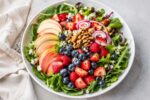
Healthy protein options include:
- Grilled chicken
- Turkey breast
- Boiled eggs
- Tofu
- Tempeh
- Chickpeas
- Lentils
- Black beans
- Salmon
- Tuna
Including protein transforms a simple salad into a complete meal.
Healthy Fats
Healthy fats improve satiety and assist the body in absorbing fat-soluble vitamins.
Common choices include:
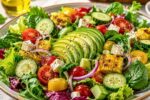
- Avocado
- Nuts
- Seeds
- Olive oil
- Almonds
- Walnuts
- Pumpkin seeds
- Chia seeds
These ingredients also add richness and texture.
Whole Grains
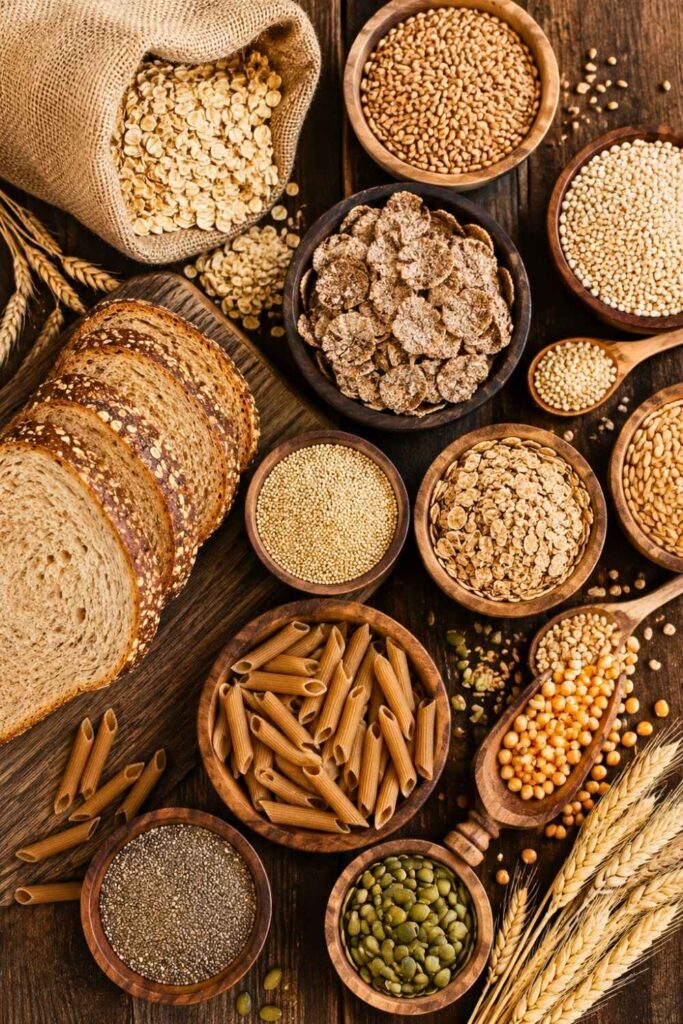
Whole grains provide complex carbohydrates and additional fiber.
Examples include:
- Quinoa
- Brown rice
- Farro
- Barley
- Couscous
- Bulgur
Adding grains creates a more filling and balanced meal.
Nutritional Value of Common Salad Ingredients
| Ingredient | Key Nutrients | Main Benefits |
|---|---|---|
| Spinach | Iron, Vitamin K | Supports bone health |
| Kale | Vitamin C, Antioxidants | Boosts immunity |
| Tomato | Lycopene, Vitamin C | Supports heart health |
| Cucumber | Water, Fiber | Promotes hydration |
| Avocado | Healthy fats, Potassium | Supports heart function |
| Chickpeas | Protein, Fiber | Improves fullness |
| Quinoa | Protein, Magnesium | Provides sustained energy |
| Carrots | Beta-carotene | Supports eye health |
| Walnuts | Omega-3 fats | Supports brain health |
| Bell Peppers | Vitamin C | Strengthens immunity |
Choosing Fresh Ingredients
The quality of your salad bowl depends heavily on ingredient freshness.
When shopping for vegetables:
- Choose vibrant colors
- Avoid wilted leaves
- Select firm vegetables
- Check for freshness dates
- Buy seasonal produce whenever possible
Seasonal ingredients are often more flavorful, nutritious, and affordable.
Fresh ingredients not only taste better but also contain higher levels of vitamins and antioxidants compared to produce stored for long periods.
The Role of Colors in Salad Nutrition
A colorful salad is often a healthier salad. Different colors represent different plant compounds that support various aspects of health.
Green Ingredients
Green vegetables contain chlorophyll, folate, and vitamin K.
Examples:
- Spinach
- Kale
- Broccoli
- Lettuce
Red Ingredients
Red produce contains lycopene and anthocyanins.
Examples:
- Tomatoes
- Red peppers
- Radishes
Orange and Yellow Ingredients
These colors indicate beta-carotene and vitamin C.
Examples:
- Carrots
- Yellow peppers
- Sweet corn
Purple Ingredients
Purple vegetables are rich in antioxidants.
Examples:
- Red cabbage
- Purple carrots
- Beets
Combining colors creates a nutrient-dense meal that supports overall health.
Best Protein Combinations for Salad Bowls
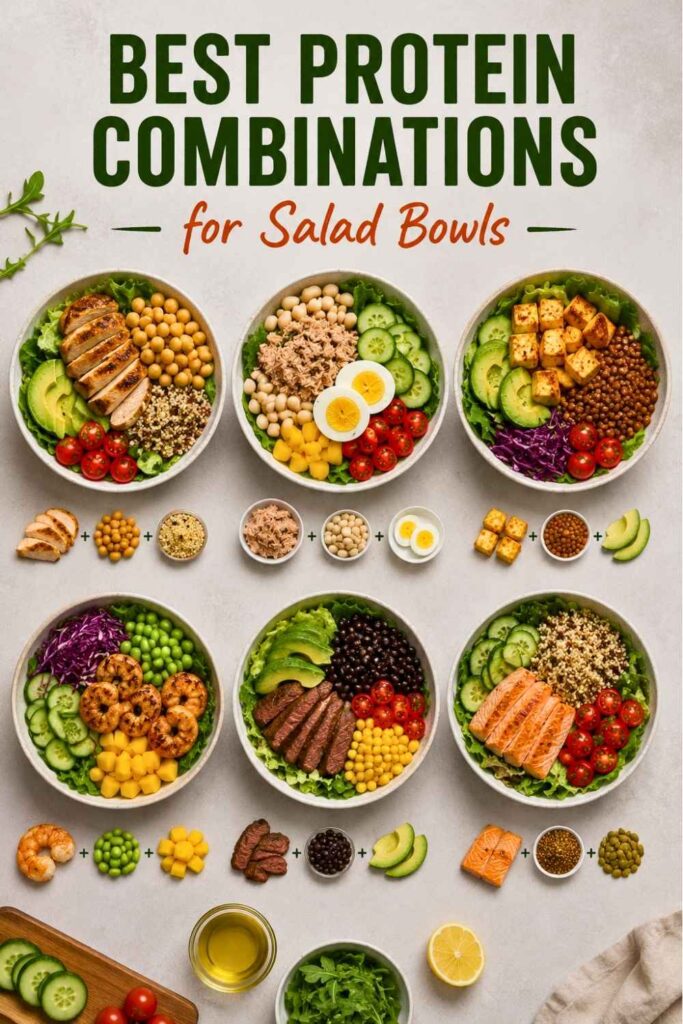
Protein is essential for maintaining energy and preventing hunger.
Popular protein pairings include:
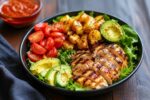
Grilled Chicken and Avocado
This combination provides lean protein and healthy fats, making it ideal for active individuals.
Chickpeas and Quinoa
A plant-based combination that delivers protein, fiber, and essential minerals.
Salmon and Mixed Greens
Rich in omega-3 fatty acids and antioxidants.
Eggs and Spinach
A simple yet highly nutritious combination suitable for breakfast or lunch.
Balancing proteins with vegetables and healthy fats ensures a satisfying meal.
Healthy Salad Dressings
A nutritious salad can quickly become unhealthy if covered with high-calorie dressings loaded with sugar and preservatives.
Healthier options include:
Lemon Olive Oil Dressing
Ingredients:
- Olive oil
- Fresh lemon juice
- Garlic
- Black pepper
Greek Yogurt Dressing
Ingredients:
- Greek yogurt
- Lemon juice
- Herbs
- Garlic
Balsamic Vinaigrette
Ingredients:
- Balsamic vinegar
- Olive oil
- Mustard
- Herbs
Homemade dressings allow better control over ingredients and nutrition.
Meal Prep Tips for Salad Bowls
Preparing ingredients in advance makes healthy eating easier throughout the week.
Helpful strategies include:
- Wash vegetables immediately after purchase
- Store greens in airtight containers
- Cook grains in batches
- Prepare proteins ahead of time
- Keep dressings separate until serving
Meal preparation reduces cooking stress and encourages healthier food choices.
Healthy Salad Bowl Ideas
Mediterranean Salad Bowl
Ingredients:
- Romaine lettuce
- Cucumber
- Tomatoes
- Olives
- Feta cheese
- Chickpeas
- Olive oil dressing
Protein Power Bowl
Ingredients:
- Mixed greens
- Grilled chicken
- Quinoa
- Avocado
- Bell peppers
Vegan Rainbow Bowl
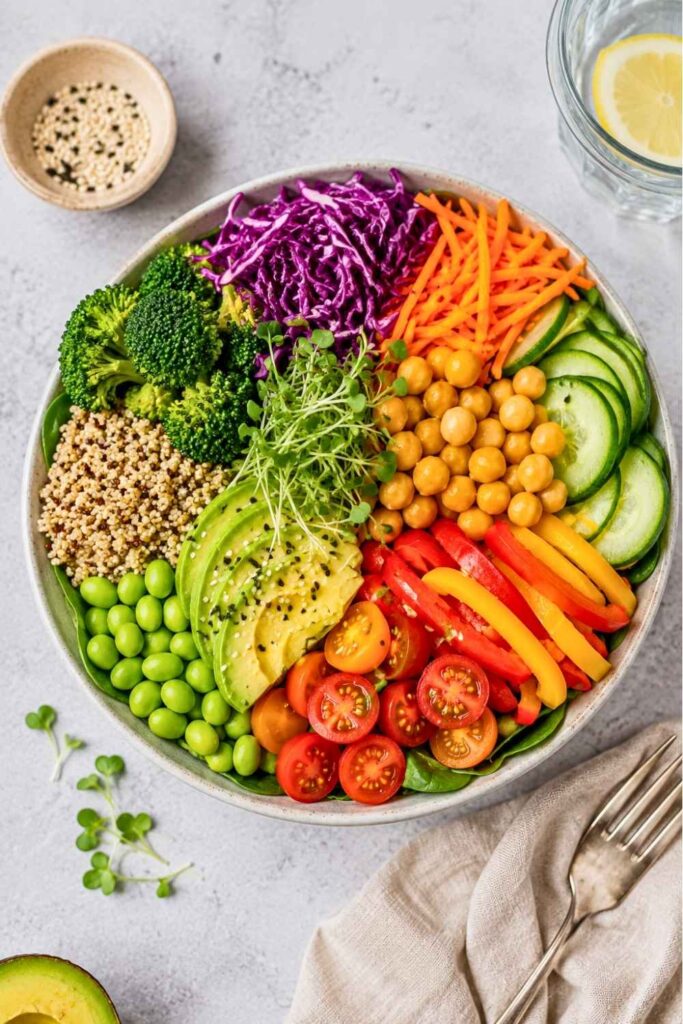
Ingredients:
- Kale
- Purple cabbage
- Carrots
- Chickpeas
- Edamame
- Pumpkin seeds
Fruit and Nut Salad Bowl
Ingredients:
- Spinach
- Strawberries
- Blueberries
- Walnuts
- Goat cheese
Each bowl provides a unique combination of flavors and nutrients.
Key Highlights
- Healthy salad bowls combine vegetables, proteins, healthy fats, and grains.
- Fresh ingredients maximize flavor and nutritional value.
- Colorful vegetables provide a wider range of antioxidants.
- Protein-rich additions improve satiety and muscle support.
- Homemade dressings help reduce unnecessary sugars and additives.
- Salad bowls can be customized for any dietary preference.
- Regular consumption supports weight management and overall wellness.
Final Words
A healthy salad bowl with fresh and vibrant ingredients is one of the simplest ways to nourish the body while enjoying delicious flavors. By combining leafy greens, colorful vegetables, lean proteins, healthy fats, and wholesome grains, you can create meals that are both satisfying and nutrient-dense. Whether your goal is better health, increased energy, or maintaining a balanced diet, a thoughtfully prepared salad bowl can become a valuable part of your daily routine.
FAQs
1. What makes a salad bowl healthy?
A healthy salad bowl contains fresh vegetables, a quality protein source, healthy fats, and nutrient-rich toppings with minimal processed ingredients.
2. Can a salad bowl be a complete meal?
Yes. When it includes protein, healthy fats, and complex carbohydrates, a salad bowl can provide balanced nutrition.
3. Which greens are best for salads?
Spinach, kale, romaine lettuce, arugula, and mixed greens are among the most nutritious choices.
4. How can I make my salad more filling?
Add protein sources such as chicken, eggs, beans, tofu, or fish along with grains like quinoa or brown rice.
5. Are homemade dressings better than store-bought ones?
Generally yes, because homemade dressings allow better control over sugar, sodium, and ingredient quality.
6. Can salad bowls help with weight loss?
Yes. They are often high in fiber and nutrients while remaining relatively low in calories.
7. What are the best healthy fats to add?
Avocados, olive oil, nuts, seeds, and fatty fish are excellent choices.
8. How long can prepared salad ingredients be stored?
Most washed vegetables remain fresh for 3–5 days when stored properly in airtight containers.
9. Are fruit-based salads healthy?
Yes. Fruits provide vitamins, minerals, fiber, and natural sweetness that complement vegetables.
10. Can vegetarians get enough protein from salad bowls?
Absolutely. Beans, lentils, tofu, tempeh, quinoa, and nuts provide substantial plant-based protein.