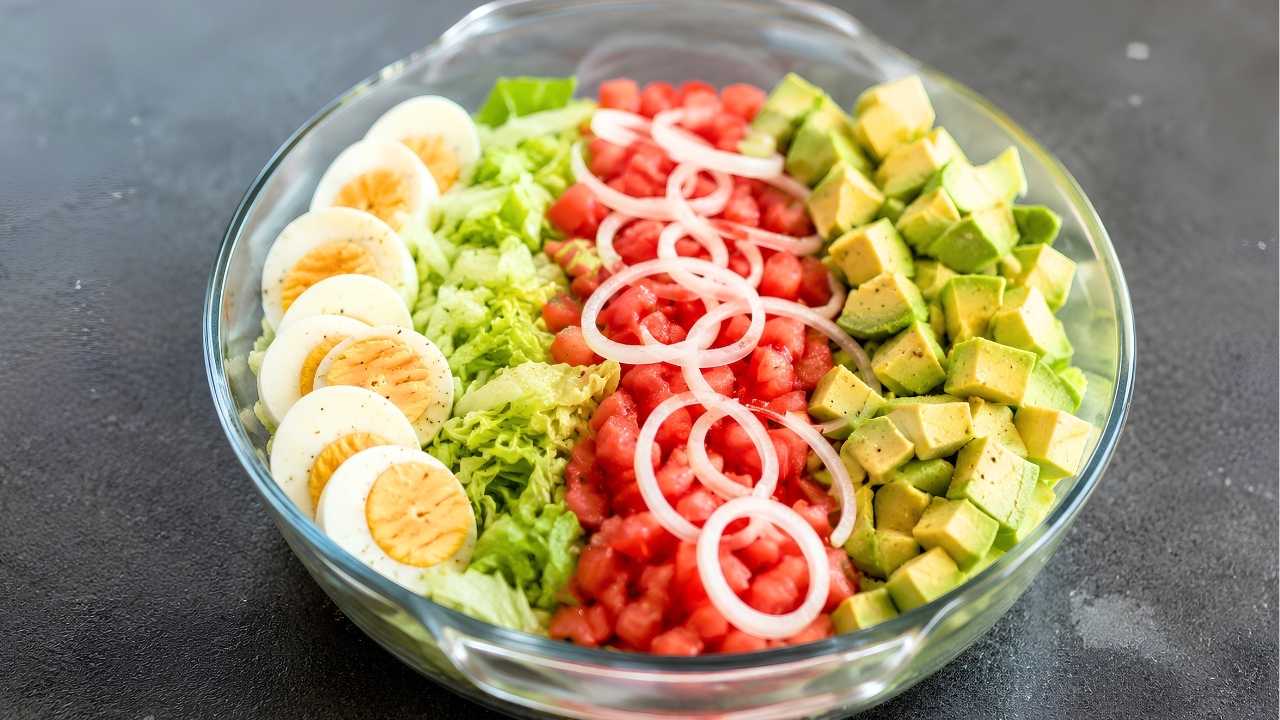
Healthy Colorful Salad Bowl: Fresh, vibrant, and packed with nutrients, a healthy colorful salad bowl is one of the easiest ways to enjoy a balanced meal. Combining crisp vegetables, wholesome toppings, flavorful dressings, and nutrient-rich ingredients creates a dish that is both satisfying and nourishing. Whether you are looking for a quick lunch, a light dinner, or a healthy side dish, a colorful salad bowl can fit perfectly into your daily routine.
The beauty of a salad bowl lies in its versatility. You can customize it according to seasonal produce, personal taste preferences, and dietary needs. From crunchy cucumbers and sweet bell peppers to creamy avocados and protein-packed chickpeas, every ingredient contributes unique flavors and health benefits.
In this guide, you’ll learn everything about making the perfect healthy colorful salad bowl, including ingredient selection, preparation methods, topping ideas, nutritional benefits, and expert tips for creating restaurant-quality salads at home.
Why Colorful Salads Are Important for a Healthy Diet
The color of fruits and vegetables often reflects their nutritional content. Different colors indicate different vitamins, minerals, antioxidants, and phytonutrients.
Eating a rainbow of vegetables helps ensure that your body receives a wide range of essential nutrients. A colorful salad not only looks appealing but also provides comprehensive nutritional support.
Some benefits include:
- Improved immune function
- Better digestion
- Enhanced heart health
- Increased energy levels
- Weight management support
- Better skin health
- Reduced inflammation
When multiple colors are combined in one bowl, the result is a nutrient-dense meal that supports overall wellness.
Understanding the Components of a Perfect Salad Bowl
A balanced salad bowl contains several key elements that work together to create flavor, texture, and nutritional value.
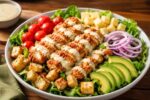
| Component | Purpose | Examples |
|---|---|---|
| Greens | Base of the salad | Lettuce, spinach, kale, arugula |
| Vegetables | Nutrition and color | Tomatoes, cucumbers, peppers |
| Protein | Satiety and muscle support | Chickpeas, beans, tofu, chicken |
| Healthy Fats | Flavor and nutrient absorption | Avocado, nuts, seeds |
| Toppings | Texture enhancement | Croutons, roasted seeds |
| Dressing | Flavor balance | Lemon vinaigrette, yogurt dressing |
Combining these elements creates a satisfying and complete meal.
Ingredients for a Healthy Colorful Salad Bowl
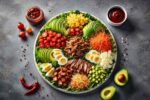
Here are the ingredients needed for a delicious and vibrant salad bowl.
Salad Base
- 2 cups mixed lettuce
- 1 cup baby spinach
- 1 cup kale leaves
Fresh Vegetables
- 1 cucumber, sliced
- 1 red bell pepper, chopped
- 1 yellow bell pepper, chopped
- 1 carrot, shredded
- 1 cup cherry tomatoes
- 1 small red onion, thinly sliced
Protein Additions
- 1 cup cooked chickpeas
Healthy Fats
- 1 avocado, sliced
Toppings
- 2 tablespoons sunflower seeds
- 2 tablespoons pumpkin seeds
- 2 tablespoons chopped almonds
Dressing
- 3 tablespoons olive oil
- 1 tablespoon lemon juice
- 1 teaspoon honey
- Salt to taste
- Black pepper to taste
Step-by-Step Preparation Method
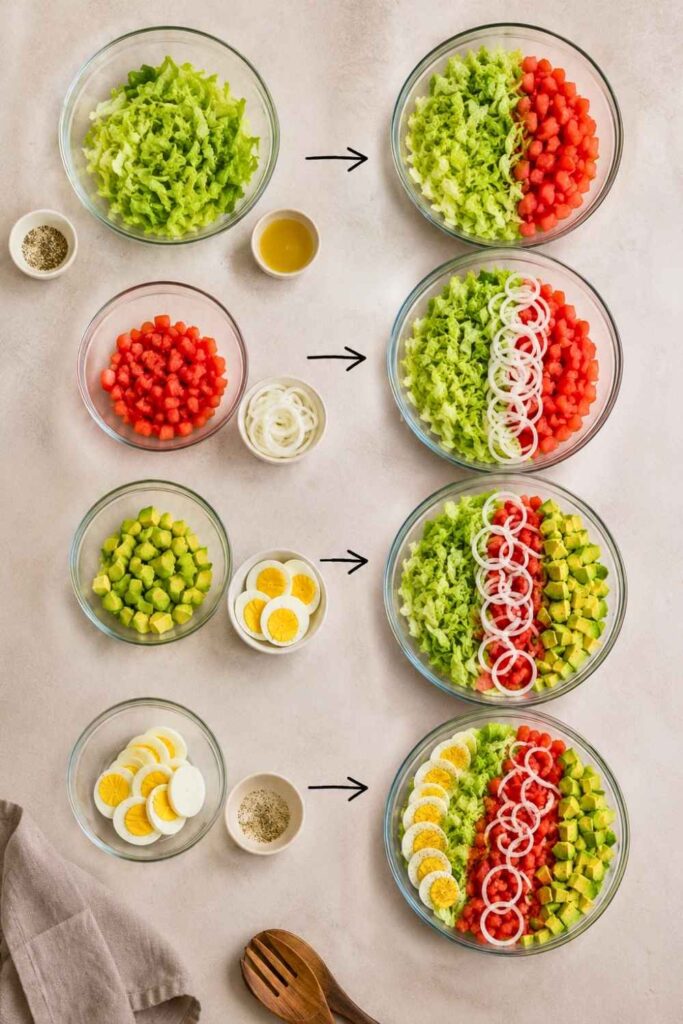
Creating a colorful salad bowl is simple and requires minimal cooking.
Step 1: Wash and Prepare Vegetables
Rinse all vegetables thoroughly under cold water. Pat dry using a clean kitchen towel or salad spinner.
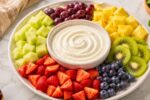
Step 2: Prepare the Greens
Place lettuce, spinach, and kale in a large mixing bowl.
Step 3: Chop the Vegetables
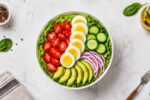
Cut cucumbers, peppers, tomatoes, onions, and carrots into bite-sized pieces.
Step 4: Prepare the Protein
Drain and rinse cooked chickpeas. Pat dry to remove excess moisture.
Step 5: Make the Dressing
Whisk together olive oil, lemon juice, honey, salt, and pepper until smooth.
Step 6: Assemble the Salad
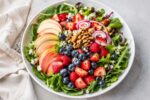
Arrange greens in serving bowls. Add vegetables, chickpeas, and avocado.
Step 7: Add Toppings
Sprinkle sunflower seeds, pumpkin seeds, and almonds over the salad.
Step 8: Drizzle Dressing
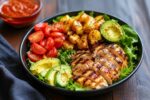
Pour dressing over the bowl just before serving.
Nutritional Benefits of Every Ingredient
Each ingredient contributes unique health benefits.
Lettuce
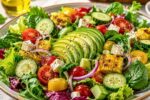
Lettuce provides hydration and contains vitamins A and K.
Spinach
Spinach is rich in iron, magnesium, and antioxidants.
Kale
Kale contains high levels of vitamin C, calcium, and fiber.
Cucumbers
Cucumbers help maintain hydration and support digestion.
Bell Peppers
Bell peppers are packed with vitamin C and antioxidants.
Carrots
Carrots provide beta-carotene, which supports eye health.
Tomatoes
Tomatoes contain lycopene, a powerful antioxidant.
Chickpeas
Chickpeas offer plant-based protein and fiber.
Avocado
Avocados provide healthy fats that support heart health.
Seeds and Nuts
Seeds and nuts contribute protein, minerals, and healthy fats.
Health Benefits of Eating Salad Regularly
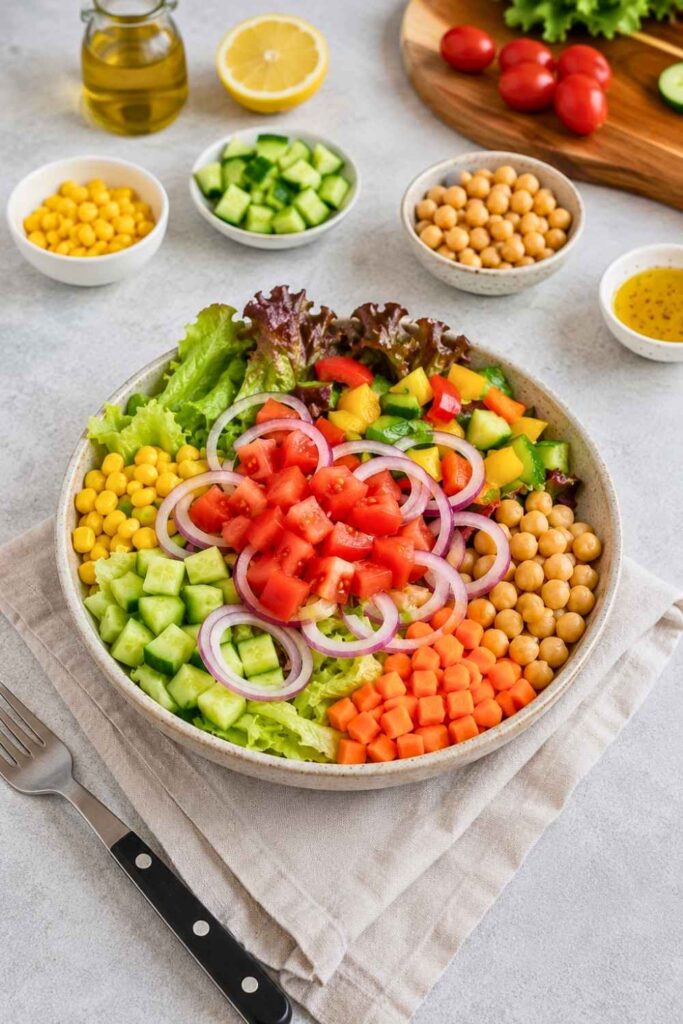
Including salads in your daily routine can significantly improve your overall health.
Supports Weight Management
Vegetables are naturally low in calories and high in fiber, helping you feel full for longer.
Promotes Healthy Digestion
Fiber-rich ingredients encourage healthy bowel movements and support gut health.
Improves Heart Health
Healthy fats, antioxidants, and fiber contribute to cardiovascular wellness.
Boosts Energy Naturally
Fresh vegetables provide essential vitamins and minerals needed for energy production.
Enhances Skin Health
Antioxidants and vitamins support healthy, glowing skin.
Best Vegetables for a Colorful Salad Bowl
Using a variety of vegetables increases both nutrition and visual appeal.
| Color | Vegetables | Key Nutrients |
|---|---|---|
| Red | Tomatoes, red peppers | Lycopene, vitamin C |
| Orange | Carrots | Beta-carotene |
| Yellow | Yellow peppers | Vitamin C |
| Green | Spinach, kale, lettuce | Iron, folate |
| Purple | Red cabbage, onions | Anthocyanins |
The more colors included, the more diverse the nutritional profile becomes.
Protein Options for Salad Bowls
Protein helps transform a simple salad into a complete meal.
Plant-Based Proteins
- Chickpeas
- Lentils
- Black beans
- Edamame
- Tofu
Animal-Based Proteins
- Grilled chicken
- Boiled eggs
- Tuna
- Salmon
- Turkey
Choose proteins according to your dietary preferences.
Delicious Topping Ideas
Toppings add texture and flavor.
Popular options include:
- Pumpkin seeds
- Sunflower seeds
- Chia seeds
- Walnuts
- Almonds
- Pecans
- Roasted chickpeas
- Whole-grain croutons
- Parmesan cheese
Mixing crunchy and creamy toppings creates a more enjoyable eating experience.
Homemade Dressing Variations
A great dressing can elevate any salad.
| Dressing | Main Ingredients |
|---|---|
| Lemon Vinaigrette | Lemon juice, olive oil |
| Honey Mustard | Honey, mustard |
| Greek Yogurt | Yogurt, garlic, herbs |
| Balsamic | Balsamic vinegar, olive oil |
| Avocado Dressing | Avocado, lime juice |
Homemade dressings typically contain fewer preservatives and added sugars than store-bought versions.
Tips for Making Restaurant-Quality Salads at Home
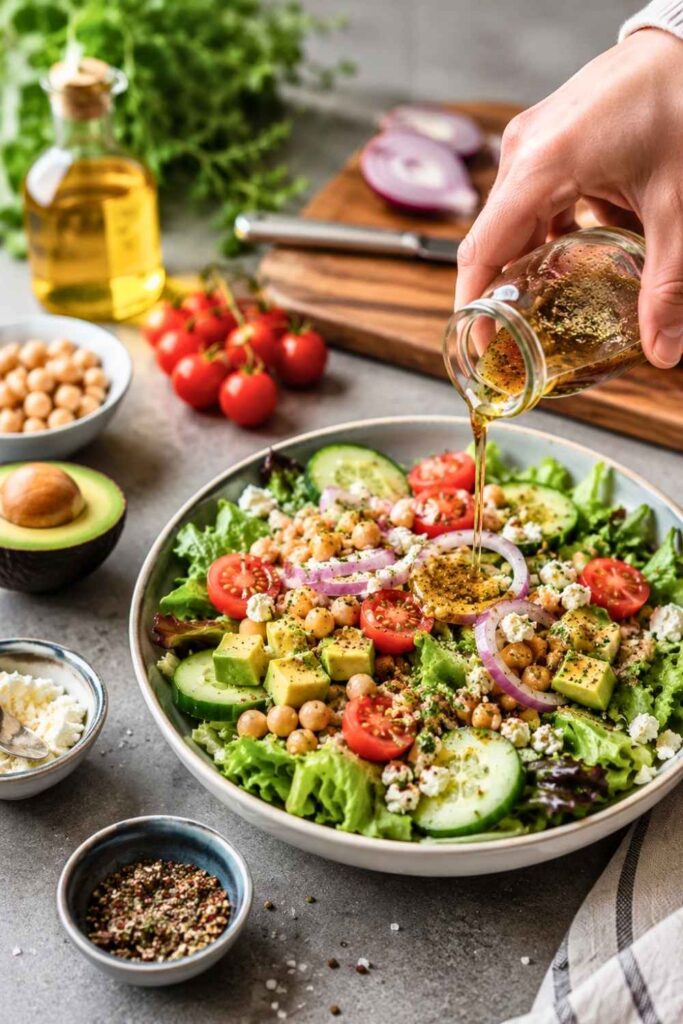
- Use fresh ingredients.
- Combine multiple textures.
- Include healthy fats.
- Season properly.
- Add protein.
- Use homemade dressing.
- Serve immediately after dressing.
- Experiment with seasonal vegetables.
These small adjustments can dramatically improve the flavor and quality of your salad bowls.
Key Highlights
- Colorful salads provide diverse vitamins and minerals.
- Fresh vegetables support overall health and wellness.
- Protein additions make salads more filling.
- Healthy fats improve nutrient absorption.
- Homemade dressings enhance flavor naturally.
- Multiple colors indicate a wide range of nutrients.
- Salad bowls can be customized for any dietary preference.
- Regular consumption supports heart health and digestion.
FAQs
What is the healthiest base for a salad bowl?
A mixture of spinach, kale, and lettuce provides a balanced combination of vitamins, minerals, and fiber.
Can I prepare salad bowls in advance?
Yes. Store ingredients separately and add dressing just before serving.
Which protein is best for vegetarian salads?
Chickpeas, lentils, tofu, and edamame are excellent vegetarian protein sources.
How can I make my salad more filling?
Add protein-rich ingredients, healthy fats like avocado, and fiber-rich vegetables.
Are homemade dressings healthier?
In most cases, yes. Homemade dressings allow better control over ingredients and sodium levels.
Can salads help with weight loss?
Salads can support weight management when made with nutrient-dense ingredients and balanced portions.
What vegetables should always be included?
Leafy greens, cucumbers, tomatoes, carrots, and bell peppers are excellent foundational ingredients.
How long can a salad stay fresh?
Undressed salads generally remain fresh for one to three days when refrigerated properly.
Final Words
A healthy colorful salad bowl is far more than a simple side dish. It is a nutrient-packed meal that combines fresh vegetables, wholesome proteins, healthy fats, and delicious toppings into one satisfying bowl. By incorporating a variety of colors, textures, and flavors, you can create endless combinations that support your health goals while keeping meals exciting and enjoyable.
Whether you’re aiming to eat healthier, manage your weight, increase your vegetable intake, or simply enjoy fresh and flavorful food, a colorful salad bowl is one of the most versatile and rewarding choices you can make. Start with quality ingredients, experiment with creative toppings and dressings, and enjoy the many benefits that come from eating fresh, vibrant foods every day.