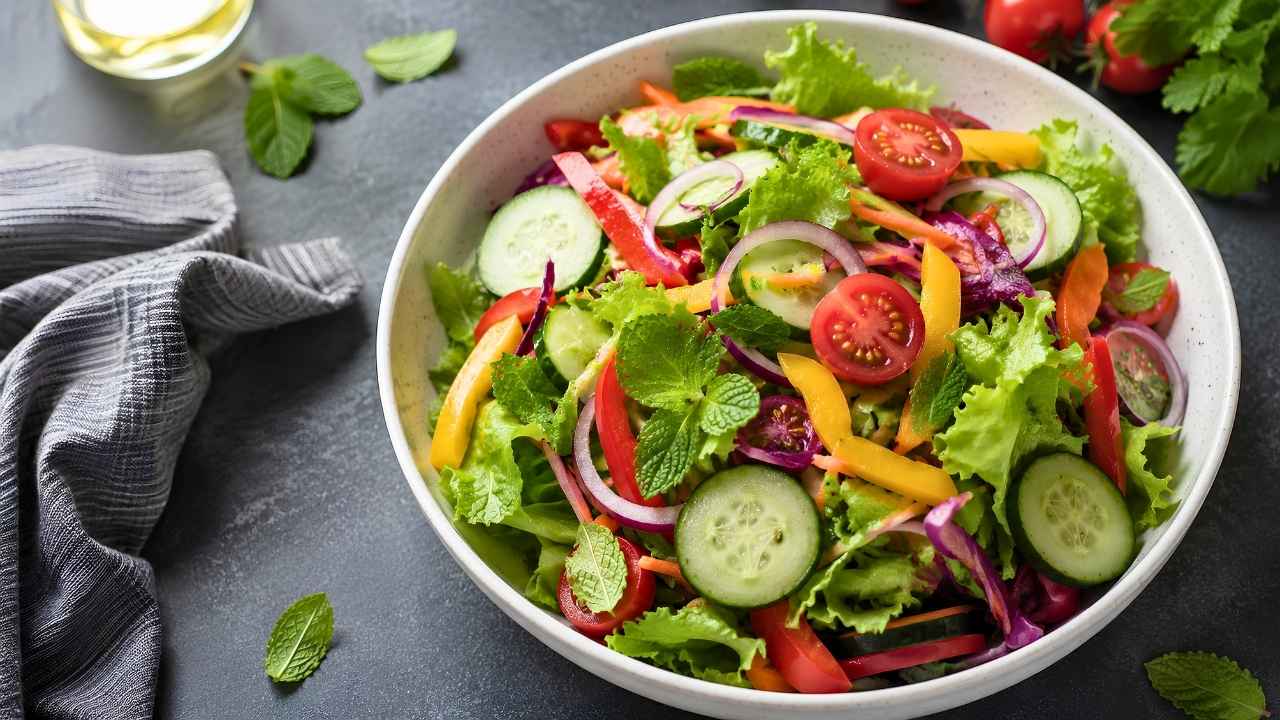
Fresh and Healthy Salad Recipe: Fresh salads have become an essential part of modern healthy eating habits. They are simple to prepare, highly nutritious, visually appealing, and packed with a variety of flavors and textures. Whether you are looking for a light lunch, a refreshing dinner, or a healthy side dish, a colorful vegetable salad offers the perfect balance of nutrition and taste.
A well-crafted salad is much more than a mixture of vegetables. It is a nutrient-dense meal that provides vitamins, minerals, antioxidants, healthy fats, and protein in a single bowl. The combination of crisp greens, juicy tomatoes, crunchy carrots, refreshing cucumbers, creamy avocado, and protein-rich eggs creates a dish that is both satisfying and beneficial for overall health.

The growing popularity of healthy lifestyles has encouraged more people to include fresh vegetables in their daily meals. Salads are one of the easiest ways to increase vegetable intake while enjoying delicious flavors. They require minimal cooking, preserve the natural nutrients of ingredients, and can be customized according to personal preferences.
This comprehensive guide explores everything you need to know about creating the perfect fresh and healthy salad packed with colorful vegetables and flavor. From ingredient selection and preparation techniques to nutritional benefits and serving ideas, this article covers every aspect of building a delicious and wholesome salad.

Why Salads Are an Important Part of a Healthy Diet
Healthy eating starts with consuming nutrient-rich foods, and vegetables are among the most important components of a balanced diet. Salads provide a convenient way to enjoy multiple vegetables in a single serving.
Fresh vegetables contain essential vitamins and minerals that support numerous bodily functions. They help strengthen the immune system, promote healthy digestion, support heart health, and contribute to healthy skin and hair.

Unlike processed foods, salads are naturally low in calories while being rich in nutrients. This makes them an excellent choice for people who want to maintain a healthy weight without sacrificing satisfaction or flavor.
Another major advantage of salads is their versatility. They can be enjoyed as a light meal, a side dish, or even a complete dinner when paired with protein-rich ingredients.

The Nutritional Power of Colorful Vegetables
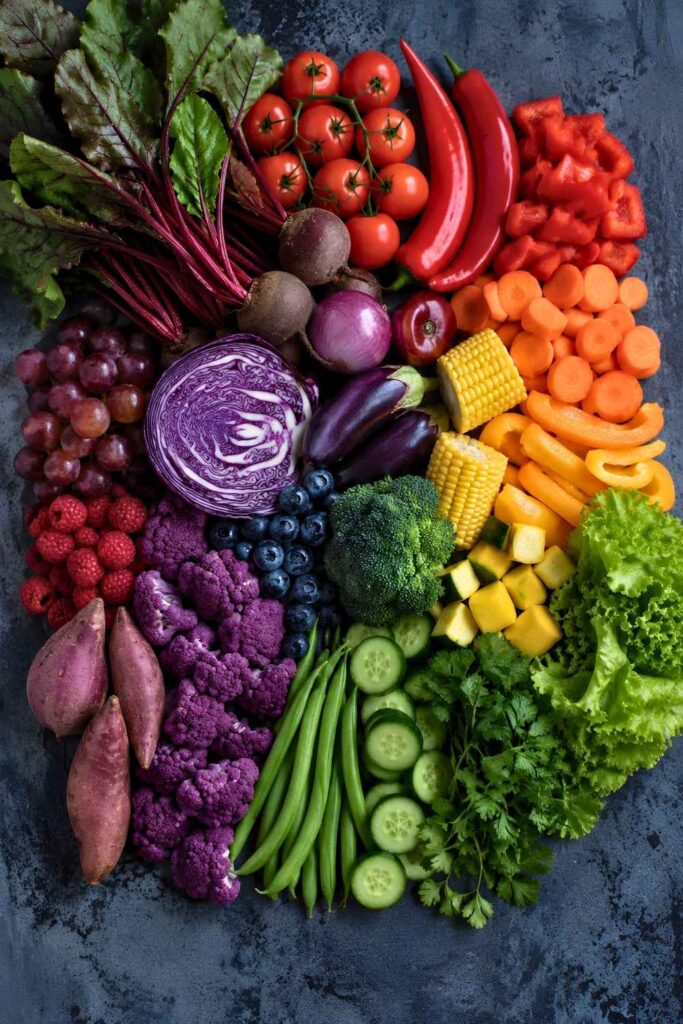
One of the secrets behind a truly healthy salad is variety. Different vegetables contain different nutrients, and the more colorful your salad is, the more nutritional benefits it provides.
Each vegetable color represents unique plant compounds known as phytonutrients. These compounds help protect plants and may also provide significant health benefits to humans.

| Color | Vegetables | Major Nutrients |
|---|---|---|
| Green | Lettuce, Spinach, Cucumber | Vitamin K, Folate, Fiber |
| Red | Tomatoes, Red Bell Peppers | Lycopene, Vitamin C |
| Orange | Carrots | Beta-Carotene |
| Yellow | Yellow Peppers | Antioxidants |
| Purple | Red Cabbage, Beetroot | Anthocyanins |
| White | Onion, Garlic | Sulfur Compounds |
Eating a variety of colors ensures your body receives a broad spectrum of nutrients necessary for optimal health.
Understanding the Key Ingredients
Every ingredient in a healthy salad contributes something unique. Combining vegetables, healthy fats, herbs, and protein creates a complete and balanced meal.

Lettuce
Lettuce forms the foundation of many salads. It provides volume, crunch, hydration, and important nutrients such as vitamin K and folate.
Cucumber
Cucumber adds freshness and hydration due to its high water content. It is low in calories and contributes a crisp texture.
Tomatoes
Tomatoes provide a burst of flavor and are rich in lycopene, an antioxidant associated with heart health and cellular protection.
Carrots
Carrots are naturally sweet and rich in beta-carotene, which the body converts into vitamin A.
Avocado
Avocado adds creaminess and healthy fats that help the body absorb fat-soluble vitamins from vegetables.
Eggs
Eggs are a high-quality source of protein and essential amino acids, making the salad more filling and nutritionally complete.
Fresh Herbs
Herbs such as parsley enhance flavor while contributing additional vitamins and antioxidants.
Complete Ingredient Table
| Ingredient | Quantity |
| Lettuce | 3 Cups |
| Cucumber | 1 Medium |
| Cherry Tomatoes | 1 Cup |
| Carrot | 1 Large |
| Avocado | 1 Large |
| Boiled Eggs | 2 |
| Fresh Parsley | 2 Tablespoons |
| Sesame Seeds | 1 Tablespoon |
| Salt | To Taste |
| Black Pepper | To Taste |
How to Select the Freshest Vegetables
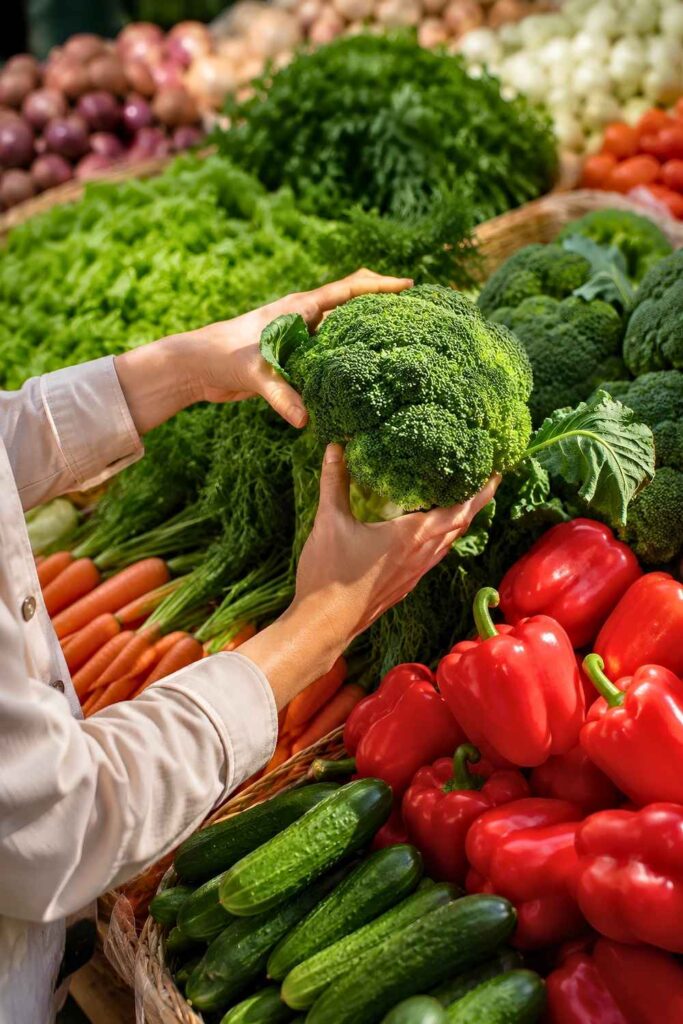
The quality of a salad depends largely on the freshness of its ingredients. Choosing fresh vegetables improves flavor, texture, and nutritional value.

When selecting lettuce, look for vibrant green leaves that are crisp and free from brown spots. Cucumbers should be firm and smooth, while tomatoes should feel slightly firm but not hard.
Carrots should be bright orange and free from cracks. Avocados should yield slightly when gently pressed but should not feel mushy.
Fresh herbs should have vibrant leaves and a pleasant aroma. Avoid herbs that appear wilted or discolored.
Step-by-Step Salad Preparation Guide
Creating a restaurant-quality salad at home is easier than many people think.
Step 1: Wash Thoroughly
Rinse all vegetables under cold running water to remove dirt and impurities.
Step 2: Dry Completely
Dry vegetables thoroughly using a salad spinner or clean kitchen towel.
Step 3: Chop Carefully
Cut vegetables into uniform sizes to improve presentation and ensure balanced flavor in every bite.
Step 4: Prepare Protein
Boil eggs until cooked to your preferred consistency. Allow them to cool before slicing.
Step 5: Arrange Beautifully
Layer lettuce as the base and arrange other ingredients separately to create an attractive appearance.
Step 6: Season Lightly
Add salt, black pepper, and dressing just before serving.
Nutritional Breakdown
A serving of this colorful vegetable salad provides a balanced combination of nutrients.
| Nutrient | Approximate Amount |
| Calories | 350 |
| Protein | 16 g |
| Carbohydrates | 18 g |
| Fiber | 10 g |
| Healthy Fats | 22 g |
| Vitamin A | High |
| Vitamin C | High |
| Vitamin K | High |
| Potassium | Moderate |
Health Benefits of Eating Fresh Salads Regularly
Supports Weight Management
High-fiber vegetables help increase satiety and reduce overeating.
Improves Digestive Health
Fiber promotes healthy digestion and supports beneficial gut bacteria.
Strengthens Immunity
Vitamin-rich vegetables help strengthen the body’s natural defense system.
Promotes Heart Health
Healthy fats from avocado and antioxidants from vegetables support cardiovascular wellness.
Supports Healthy Skin
The vitamins and antioxidants found in vegetables help maintain healthy and radiant skin.
Enhances Energy Levels
Nutrient-dense foods provide sustained energy throughout the day.
Best Homemade Salad Dressings
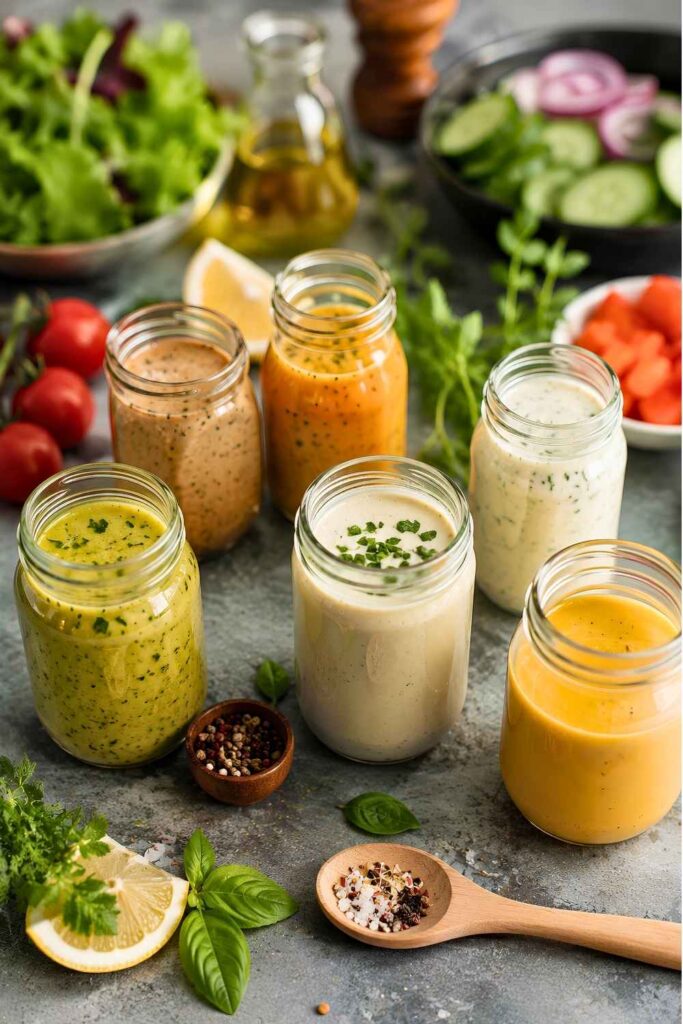
| Dressing | Main Ingredients |
| Lemon Olive Oil | Lemon Juice, Olive Oil |
| Yogurt Herb | Greek Yogurt, Herbs |
| Honey Mustard | Honey, Mustard |
| Balsamic Vinaigrette | Balsamic Vinegar, Olive Oil |
| Avocado Lime | Avocado, Lime Juice |
Tips for Making Restaurant-Quality Salads
Use Fresh Ingredients
Fresh ingredients always provide better flavor and texture.
Balance Flavors
Combine sweet, savory, tangy, and creamy elements for a satisfying taste.
Add Different Textures
Crunchy vegetables paired with creamy avocado create an enjoyable eating experience.
Keep It Colorful
A visually appealing salad is often more enjoyable and nutritious.
Serve Immediately
Fresh salads taste best when served soon after preparation.
Common Mistakes to Avoid
- Using wilted vegetables
- Adding too much dressing
- Skipping protein
- Over-seasoning
- Preparing too far in advance
- Ignoring ingredient quality
Creative Variations to Try
Mediterranean Salad
Add olives, feta cheese, and cucumbers.
High-Protein Salad
Include grilled chicken or chickpeas.
Vegan Version
Replace eggs with tofu or roasted chickpeas.
Fruit and Vegetable Salad
Add strawberries, blueberries, or pomegranate seeds.
Crunchy Nut Salad
Include almonds, walnuts, or sunflower seeds.
Key Highlights
- Packed with colorful vegetables and nutrients
- Rich source of antioxidants
- High in dietary fiber
- Supports digestive health
- Contains healthy fats
- Excellent source of vitamins
- Easy to customize
- Suitable for meal preparation
- Supports healthy weight management
- Delicious and refreshing
Frequently Asked Questions (FAQs)
Is this salad good for weight loss?
Yes. It is rich in fiber and nutrients while remaining relatively low in calories.
Can I prepare the salad in advance?
Yes, but store dressing separately and add avocado before serving.
What protein options can I add?
Grilled chicken, tofu, chickpeas, salmon, shrimp, and turkey are excellent options.
How long will the salad stay fresh?
When stored properly, it can remain fresh for up to 24 hours.
Can I make this salad vegan?
Yes. Replace eggs with plant-based protein sources.
What dressing is healthiest?
A simple olive oil and lemon juice dressing is often considered one of the healthiest choices.
Is avocado necessary?
No. You can substitute avocado with nuts, seeds, or hummus.
Can children enjoy this salad?
Absolutely. The colorful vegetables and mild flavors make it appealing for children.
Final Words
A fresh and healthy salad packed with colorful vegetables and flavor is one of the most effective ways to enjoy nutritious eating without sacrificing taste. By combining fresh vegetables, healthy fats, quality protein, and flavorful dressings, you can create a meal that supports overall wellness while satisfying your appetite. Whether served as a quick lunch, light dinner, or side dish, this vibrant salad offers countless health benefits and endless customization possibilities. Making colorful salads a regular part of your diet is a simple step toward better nutrition, improved energy levels, and a healthier lifestyle.